Distress: Know its Causes, Effects and Relief Strategies
Distress is a negative form of stress that biologically triggers a fight-or-flight response in our body. It arises from difficult situations, academic or financial challenges, or sense of confusion. It can be reduced through effective lifestyle practices and emotional regulation.
Stress is a natural physical, mental, and emotional response to a demand or challenge, often triggered by external events such as work pressures, family concerns, or financial worries. However, stress is not always viewed negatively. At times, it can be driven by positive energy. Psychologists classify stress into eustress and distress. While eustress enhances performance, distress leads to physical and emotional strain as well as wear and tear of the body.
The American Psychological Association (APA) describes Distress as a harmful form of stress marked by uncomfortable emotional and physical reactions that arise when a person feels unable to cope with pressures, losses, or perceived threats. Research by Daly and Macchia confirms a rise in emotional distress increasing from approximately 25% in 2009 to 31% in 2021.
Causes and Effects of Distress
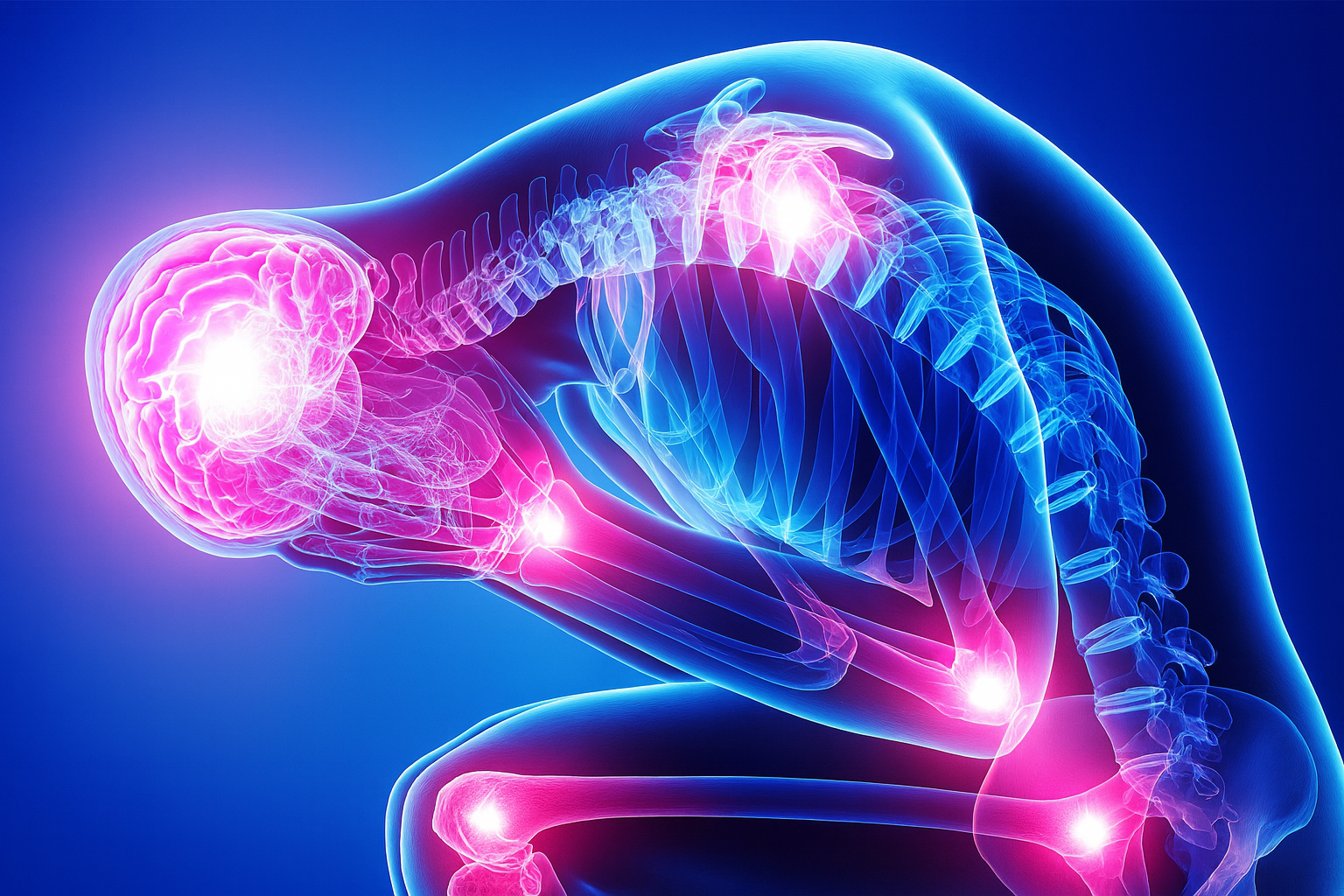
Whenever a situation poses a threat or significantly affects us, our nervous system activates the fight-or-flight response. This triggers the brain to release hormones such as adrenaline and cortisol, preparing the body for immediate action through various physiological changes that produce distress.
Common causes of distress include conflicts in interpersonal relationships, economic challenges, environmental pressures, poor situation management, academic difficulties, confusion or overwhelm, and certain psychological conditions such as anxiety, trauma, and depression.
The effects of distress often appear as noticeable changes in eating and sleeping patterns, hygiene habits, mood, social interactions, personality, concentration, or daily functioning. A person may struggle to hold regular conversations, show a decline in academic, athletic, or extracurricular performance, or express suicidal thoughts, feelings of hopelessness, or preoccupation with death. Distress may also manifest as racing thoughts, excessive dependence on others, and a sense of losing control over one’s emotions and behavior.
How to Get Relief from Distress?
To get relief from distress, several methods can be used. While these may not offer long-term solutions, they can be effective in the short term:
Know the cause of stress: Identifying and accepting the situation is essential, as understanding the source may help in finding a solution. However, when situations are beyond your control, the focus should shift to regulating your emotions.
Eat a balanced diet: High-calorie, fatty foods and sugary drinks can increase inflammation and oxidative stress, reducing oxygen supply to the brain and disrupting the gut microbiome. Adopting a healthier lifestyle with a balanced, vitamin- and protein-rich diet can support brain function and help lower stress levels.
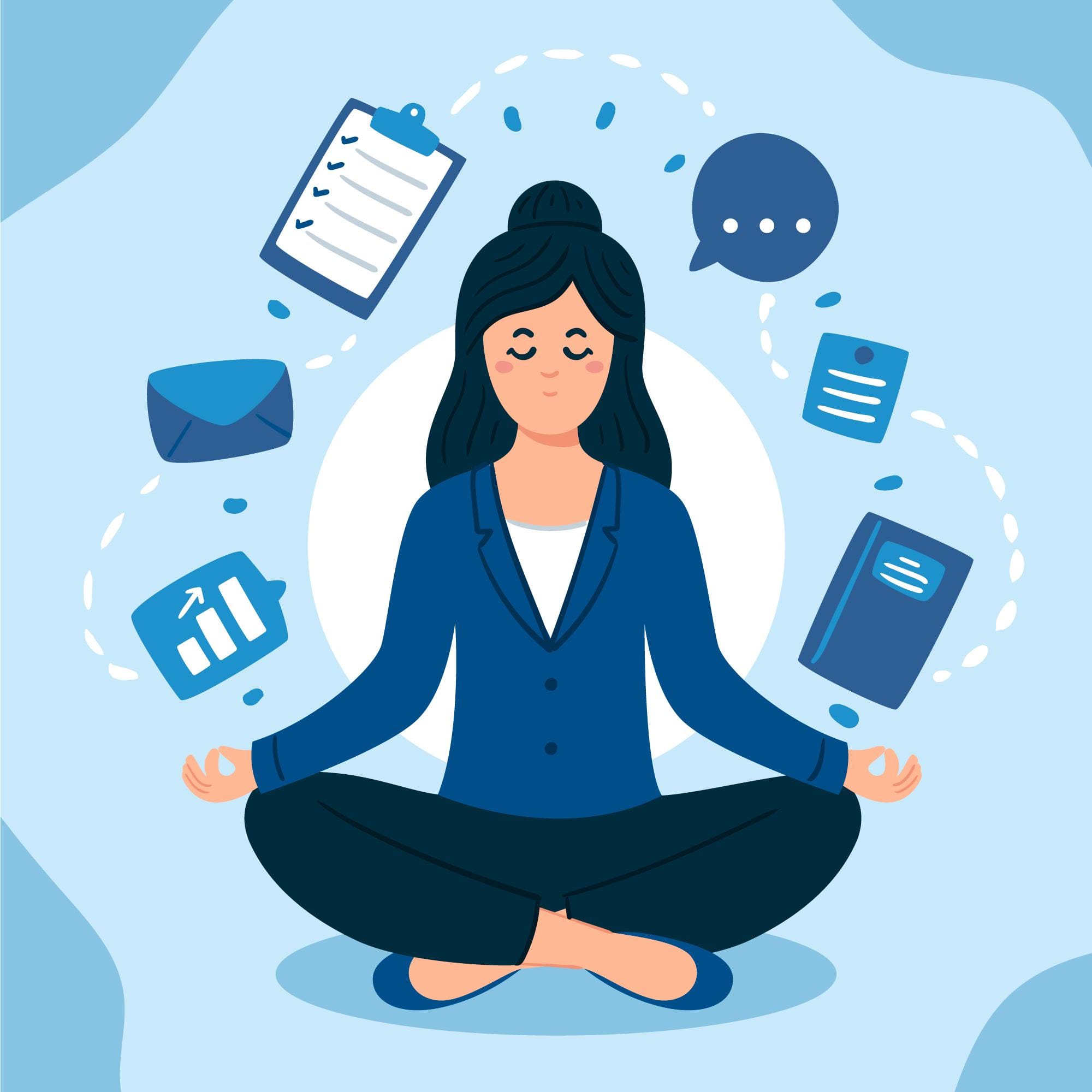
Mindfulness practices: Mindfulness reduces stress by slowing the mind’s tendency to react automatically to challenges. When you observe your thoughts and feelings instead of getting swept up in them, the body’s stress response softens, breathing steadies, and tension decreases. This calm, deliberate awareness helps you regulate emotions more effectively, break cycles of overthinking, and respond to situations with greater balance and control. Over time, this practice strengthens resilience, improves concentration, and supports overall well-being.
Do physical exercise: Exercise reduces stress by releasing endorphins that lift mood and by lowering stress hormones. Effective options include aerobic activities like walking, jogging, or dancing, strength training etc.
Get proper sleep: It is important to sleep for 7–8 hours each day. Short naps during work can also be relaxing. Quality sleep allows the body to repair and reset, lowers cortisol levels, enhances emotional regulation, and helps the brain process daily experiences.
Follow your passion: Setting aside at least 30 minutes a day to pursue hobbies or activities you love creates a sense of joy and self-awareness, helping you regulate your emotions more effectively.
Talk to your peers and friends: Communicating with a friend, relative, or someone you trust can help you feel relaxed and supported.
Journaling: Expressing your emotions creatively provides emotional release and helps you better understand your feelings.
If distress becomes prolonged or feels unusual, it is advisable to consult a psychologist or counsellor. Seeking professional support is an effective step towards recovery and well-being. One should also refrain from believing any stigma related to mental health, such as the misconception that seeking professional help makes you “mindless” or is something to be ashamed of.
Mindfulness as a Relief from Distress (Source: Freepik)
Share this article
The link has been copied!
Members Discussion
Your link has expired. Please request a new one.
Your link has expired. Please request a new one.
Your link has expired. Please request a new one.
Great! You've successfully signed up.
Great! You've successfully signed up.
Welcome back! You've successfully signed in.
Success! You now have access to additional content.
What’s Coming Next?
Explore our upcoming features, author interviews, and deep-dives into new policy reforms.