Will India Stop Buying Oil From Russia?
A new India–US trade pact promises relief, but whispers of hidden conditions grow louder. As tariffs fall, the shadow over India-Russia oil ties deepens, leaving alliances uncertain.

A new India–US trade pact promises relief, but whispers of hidden conditions grow louder. As tariffs fall, the shadow over India-Russia oil ties deepens, leaving alliances uncertain.
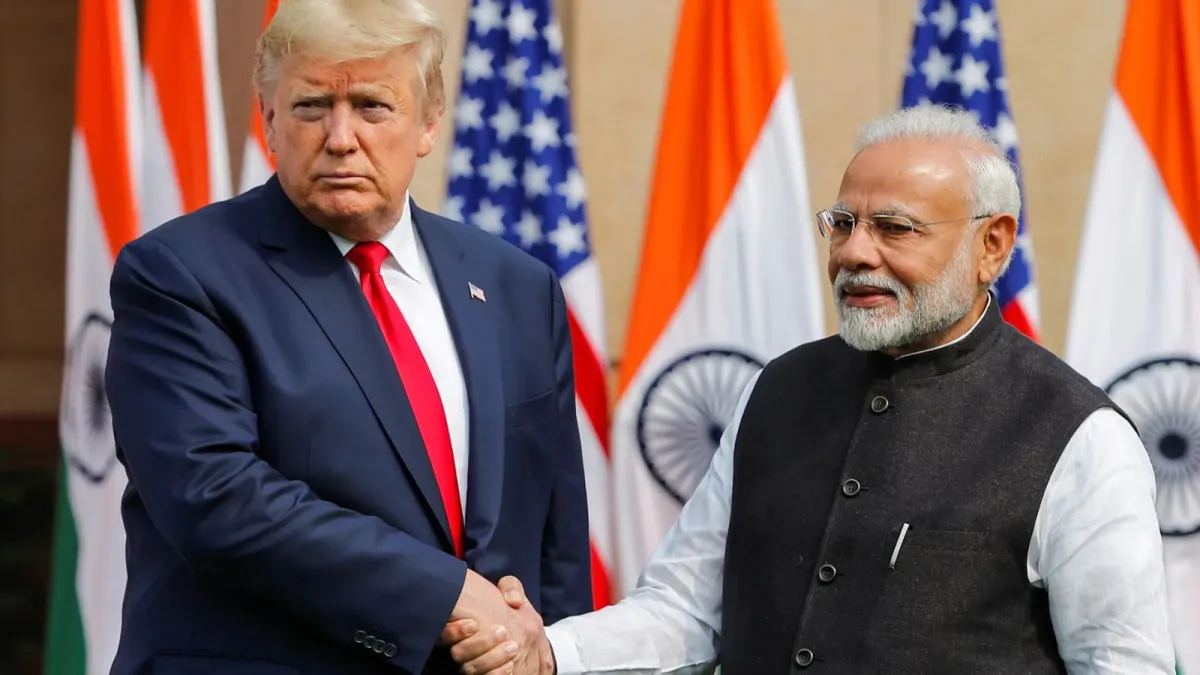
The Interim Trade Framework, proposed between India and the US in early February has become the turning point in India-Russia trade relations. Internet speculations about an evident strain in the relationship, the Modi-Putin duo have strengthened the narrative. But what does the Interim Trade Framework officially state and demand?
In mid 2025, US President Donald Trump imposed unjustified, steep tariffs on Indian imports, escalating tensions between the two countries. An additional 25% “penalty” tariff specifically linked to India’s purchases of Russian oil was slapped on India, which was a move not previously seen in U.S. trade policy.
The punitive tariff was part of wider protectionist measures from the Trump administration and was criticized in India as unjustified and uneven, especially since larger buyers of Russian crude, such as China, were not similarly targeted.
In early February 2026, the U.S. and India announced an interim trade framework aimed at de-escalating tensions and moving toward a full bilateral trade agreement.
Key tariff outcomes under this interim deal include:
President Trump has publicly stated that India committed to stop importing Russian oil, both directly and indirectly, and that this was a key factor behind the tariff rollback.
However:
The Russian Government has made no official statements expressing its views on the Interim Trade Framework and the supposed reduction in Russian oil volumes. Russian officials have emphasized that energy ties with India continue strongly and that India remains a key market for Russian crude.
Industry observers note that India remains one of the world’s largest buyers of Russian oil, though volumes have fluctuated.
Explore our upcoming features, author interviews, and deep-dives into new policy reforms.