Sports

If 2024 was a year of transition, 2025 was the year football finally stepped into its new skin. The "Beautiful Game" as we like to call it, looked different this year, it became more global, more tactical, and perhaps more democratic than we thought. From the sun-drenched stadiums of the United States during the revamped Club World Cup to the emotional scenes at Wembley as Crystal Palace lifted the FA Cup, 2025 reminded us that while the money in football continues to scale new heights, the game’s ability to surprise remains its greatest currency.
The era of the "individual deity" has effectively ended, replaced by the era of the "unbreakable system." This is the story of how football grew up, branched out, and rediscovered its soul.
The Paris Awakening: PSG's moment of glory
For over a decade, Paris Saint-Germain was the caricature of modern football’s excesses, a collection of expensive stars that often lacked a collective heart. That narrative was buried forever on a cool night in Munich’s Allianz Arena. The 2025 Champions League Final wasn't just a victory; it was a demolition. PSG’s 5-0 thrashing of Inter Milan was a tactical masterclass that signaled a profound shift in the club’s philosophy.
Under the meticulous guidance of Luis Enrique, the Parisians moved away from "Galactico" dependency. Led by the mercurial Ousmane Dembélé and the breakout brilliance of Désiré Doué, PSG played with a terrifying, synchronized intensity. By securing their first-ever Champions League title alongside a domestic double, they completed a historic treble. It proved that "the project" could actually work, provided the investment was filtered through a coherent system rather than just a marketing department. They did not have Mbappe, or Neymar or Messi with them, but what they had was sheer grit and determination.
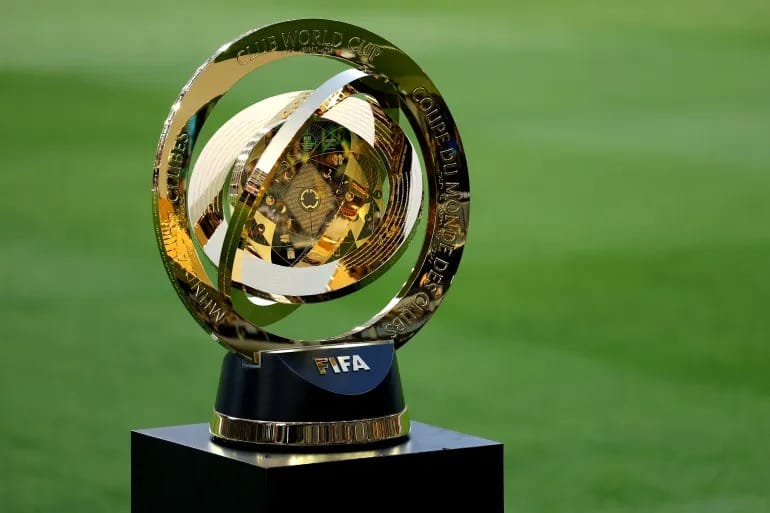

The FIFA Club World Cup
June and July 2025 marked the birth of a new calendar staple: the expanded 32-team FIFA Club World Cup in the United States. While the tournament faced early criticism regarding player fatigue, the execution was a commercial and competitive triumph.
The tournament culminated in a final at MetLife Stadium that felt like a glimpse into football’s future. Chelsea emerged as the inaugural world champions of this new format, defeating PSG 3-0. The Blues, revitalized and disciplined, managed to stifle the European champions on a global stage. With a global audience of 2.7 billion, the tournament served as a perfect "prelude" to the 2026 World Cup, proving that the appetite for cross-continental club competition is not just massive, it is insatiable.
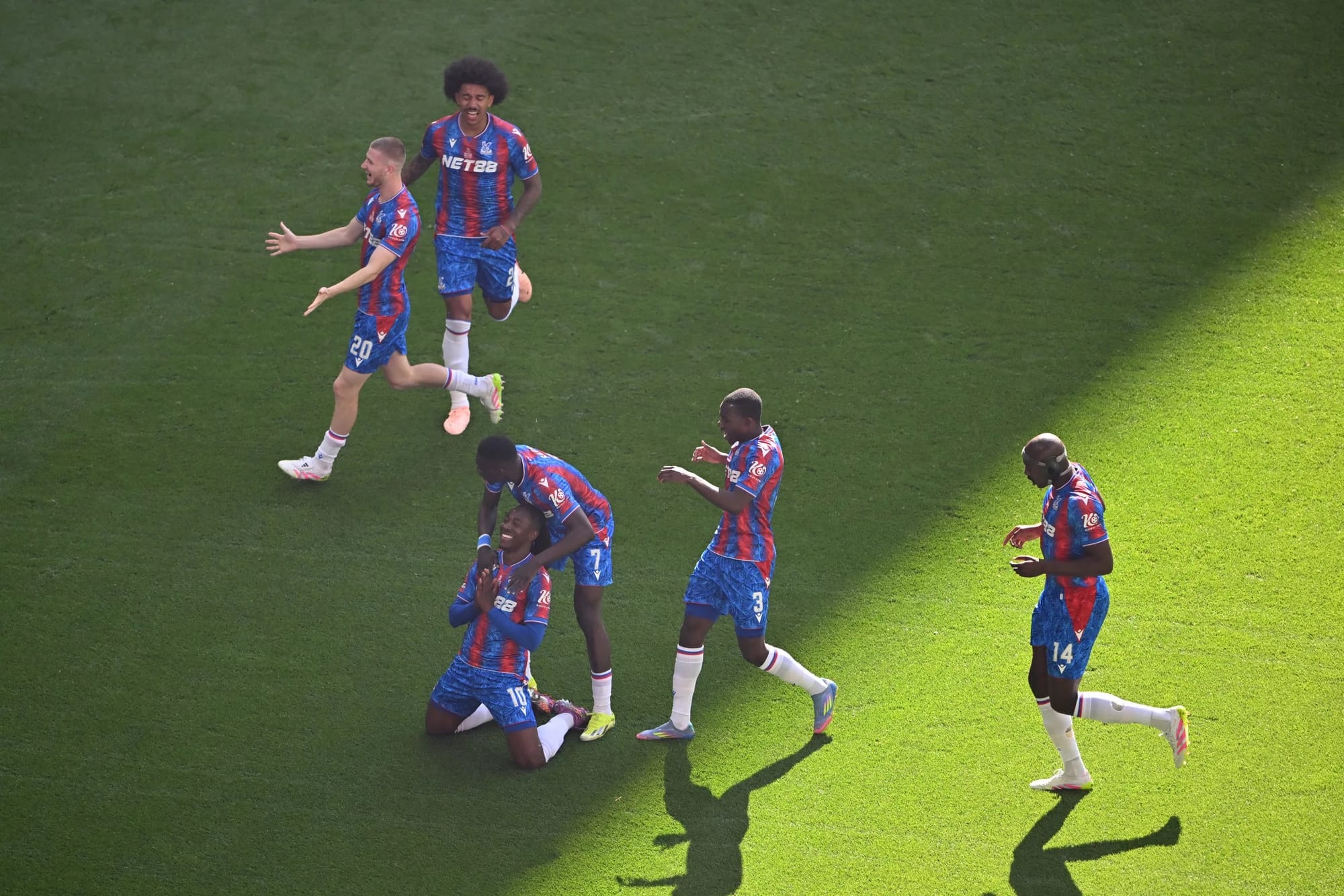

The Underdog Renaissance
While the elite were carving up international trophies, a different kind of revolution was happening in the domestic leagues. 2025 became the year the "giant-killers" refused to step aside.
The most poignant moment of the English season came at Wembley, where Crystal Palace defeated Manchester City 1-0 to lift the FA Cup. It was the club’s first-ever major trophy, sparked by a defensive resilience that left the reigning champions frustrated. This wasn't an isolated incident. In Italy, Bologna ended a 51-year silverware drought, while Newcastle United finally secured their first major trophy in seven decades.
These victories provided a vital counter-narrative to the fears of a closed-shop "Super League." They reminded the world that the romantic soul of the game, the belief that any well-drilled squad with enough heart can overcome a billion-dollar roster is still very much alive.
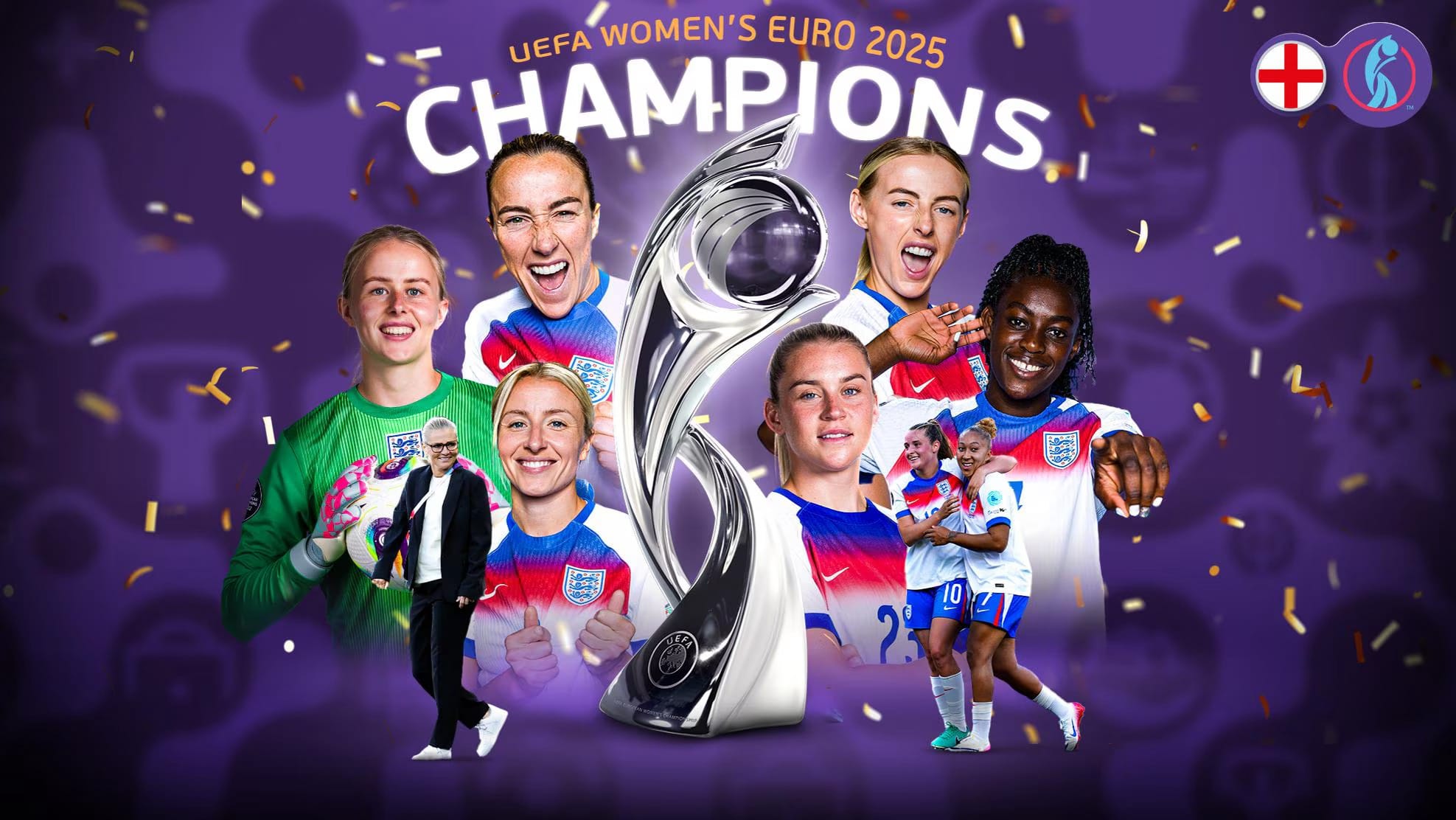

Women’s Football: Switzerland’s Summer of Excellence
The Women’s Euro 2025 in Switzerland further solidified the sport’s upward trajectory. The tournament saw record-breaking attendance figures and a level of technical proficiency that suggests the gap between the top five nations and the rest of the world is closing rapidly.
Aitana Bonmatí remained the undisputed queen of the pitch. By securing her third consecutive FIFA Best Women’s Player award, she has entered a tier of greatness that few athletes, male or female, have ever touched. Her ability to dictate the tempo of a game serves as the blueprint for the modern midfielder.
Technology and the AI Revolution
Behind the scenes, 2025 was the year Generative AI became an essential member of the backroom staff. This wasn't just about automated social media posts; AI began personalizing the fan experience in real-time, offering "tactical overlays" for viewers at home. More importantly, scouting underwent a revolution. Smaller clubs began using proprietary AI models to identify undervalued talent in secondary markets, contributing directly to the "Underdog Renaissance" mentioned earlier.
The "New Normal"
As we look toward the 2026 World Cup, the landscape of football has never been more vibrant. We have moved past the Messi-Ronaldo era, as evidenced by Ousmane Dembélé claiming the Ballon d’Or. The game is faster, more global, and increasingly focused on the power of the collective.
Football in 2025 didn't just survive the pressures of commercialization and expansion; it evolved. The game redefined itself by balancing the glitz of a 32-team World Cup with the raw, tearful joy of a Crystal Palace fan seeing their team lift a trophy. The "New Normal" is here, and it’s more exciting than we ever imagined.
Members Discussion