Sports
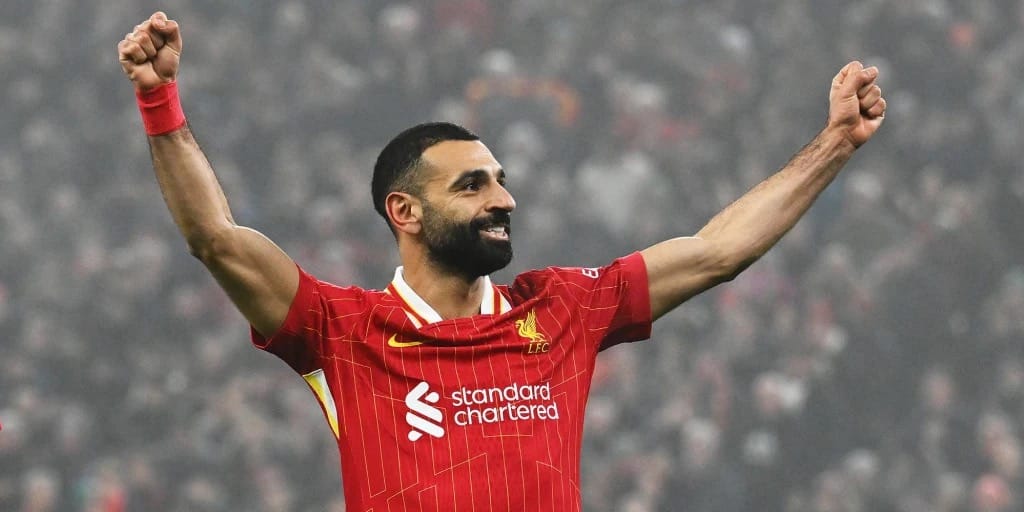
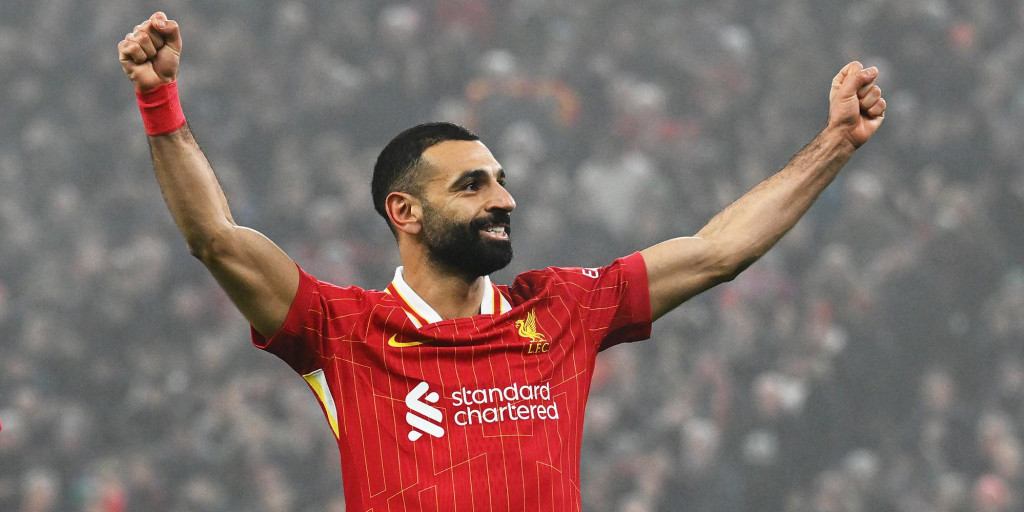
Liverpool’s 3-3 draw against Leeds United has sent shockwaves through the Premier League, not only because of the dramatic late equaliser but due to the explosive post-match interview given by Mohamed Salah. The result has intensified scrutiny on Liverpool’s defensive fragility, tactical inconsistency, and dressing-room harmony, issues that have become impossible to ignore. The Mohamed Salah interview, filled with frustration and accusations, has emerged as the most significant flashpoint of Liverpool’s troubled season.
Liverpool’s On-Field Problems Exposed
Liverpool’s collapse from a winning position has now become a recurring theme, and their shock draw at Elland Road perfectly illustrated the team’s lack of control, discipline, and defensive organisation. Liverpool led 2-0 early in the second half, then 3-2 later in the match, yet failed to secure three points. The late equaliser conceded in the 96th minute highlighted the deeper structural problems that have plagued the squad this season.
Their defending, particularly in transition, exposed large gaps between the lines. The inability to deal with Leeds’ late pressure raised serious questions about leadership, focus, and tactical preparation. For a team that once prided itself on intensity and organisation, Liverpool now appear a shadow of that identity. The former champions made school kids type errors in the goals scored by Leeds who were persistently knowcking on Liverpool's door.
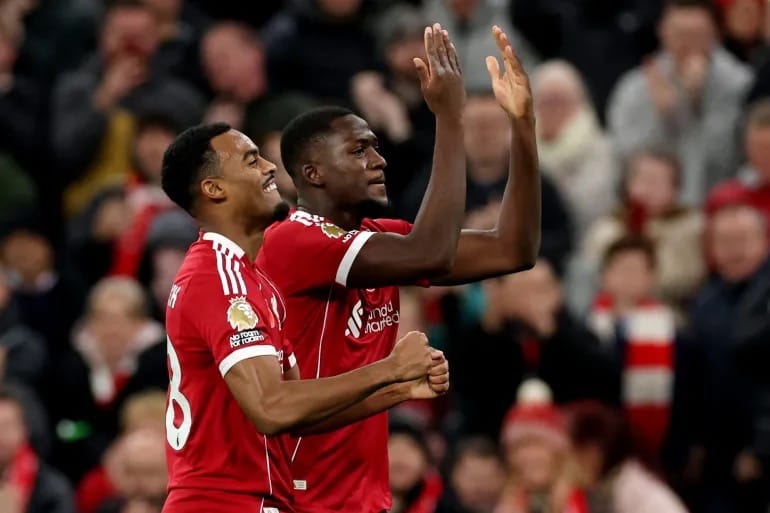
Individual errors have also compounded Liverpool’s problems. Misplaced passes, slow tracking, and lapses in defensive concentration contributed significantly to the draw. The Liverpool defensive issues are no longer an occasional blip but a chronic weakness. Van Dijk has not been able to be the star of the show he once used to be and Konate has truly become a headache for the fans and for the manager who's error in controlling a rather simple play led to Leeds first goal and their start of a comeback.
Inconsistency and Tactical Confusion Under Arne Slot
Liverpool’s inconsistency has become a defining feature of their season. With just four wins in their last fifteen matches across competitions, the team’s Premier League form has dipped dramatically. Manager Arne Slot is at the centre of rising criticism, especially due to some contentious tactical calls most notably his recent decision to repeatedly bench Mo Salah, the club’s most reliable match-winner.
Slot’s approach has been labelled unclear, overly cautious in big moments, and tactically rigid when the team needs flexibility. Liverpool, once defined by fluidity and adaptability, now seem unsure of their identity. Questions are being raised about whether Slot’s philosophy is compatible with the players at his disposal.
The late-game collapses, a recurring problem point towards poor game management. For many fans and analysts, these Liverpool tactical issues have become concerning signs of regression rather than transition.

The Mo Salah Interview: A Public Explosion
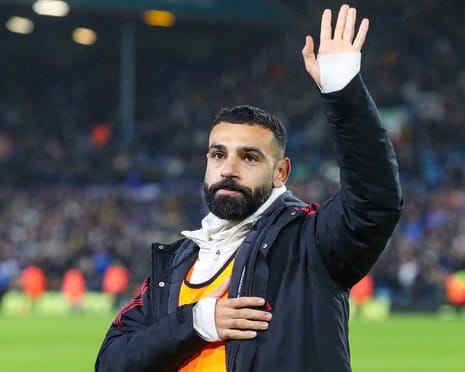
If the draw exposed footballing problems, the Mohamed Salah post-match interview exposed internal ones. With barely concealed frustration, Salah tore into the club’s handling of him in recent weeks, claiming Liverpool had “thrown me under the bus.” His remarks instantly became headline news.
Salah revealed he felt betrayed, saying he was promised transparency and a fair chance when he signed a new contract, yet was benched for three of the last four games. He openly admitted he had “no relationship” with Arne Slot, one of the most staggering revelations in recent Liverpool history.
He went further, hinting at an impending exit: “Maybe the next home game is my last. I don’t know anymore.” For a player who has been Liverpool’s talisman for nearly a decade, the statement was seismic.
Salah’s tone reflected deep disappointment, even humiliation. His suggestion that someone at the club wanted him to “take the blame” indicates there is far more tension behind the scenes than the club has publicly acknowledged.

What the Salah Outburst Means for Liverpool
The Salah vs Arne Slot conflict has now become symbolic of the broader divisions at Liverpool. When a senior player publicly challenges the club’s internal dynamics, it becomes a crisis management moment.
The implications include:
1. Dressing Room Instability
Salah is one of the most respected figures in the Liverpool dressing room. His unhappiness risks dividing the squad, or worse, eroding trust in the manager.
2. Increased Pressure on Arne Slot
Slot now faces scrutiny not just for Liverpool’s tactical problems but for his man-management. If results don’t improve immediately, his position could quickly become untenable.
3. Fans Losing Trust
Liverpool supporters, who revere Salah, have begun to question whether the club’s hierarchy has mishandled its greatest modern icon.
4. Transfer Domino Effect
If Salah leaves in January or the summer, Liverpool face the prospect of losing experience, goals, leadership, and commercial value.
Liverpool at a Crossroads
Liverpool are no longer suffering from isolated issues, they face a full-blown identity crisis. The shock draw vs Leeds, defensive collapses, disjointed tactics, slipping league position, and the fierce Mo Salah interview have all converged into a defining moment.
This period will determine whether Arne Slot’s Liverpool project can survive or whether deeper rebuilding tactically, structurally, and emotionally will be required.
Members Discussion