Bengal Polls Ahead: The Intersecting narratives of TMC’s agenda and the SIR controversy
West Bengal elections on April 23 & 29 spotlight political shifts: TMC unveils ‘Didi’s 10 Promises’ while 19 appellate tribunals review voter eligibility amid SIR scrutiny.
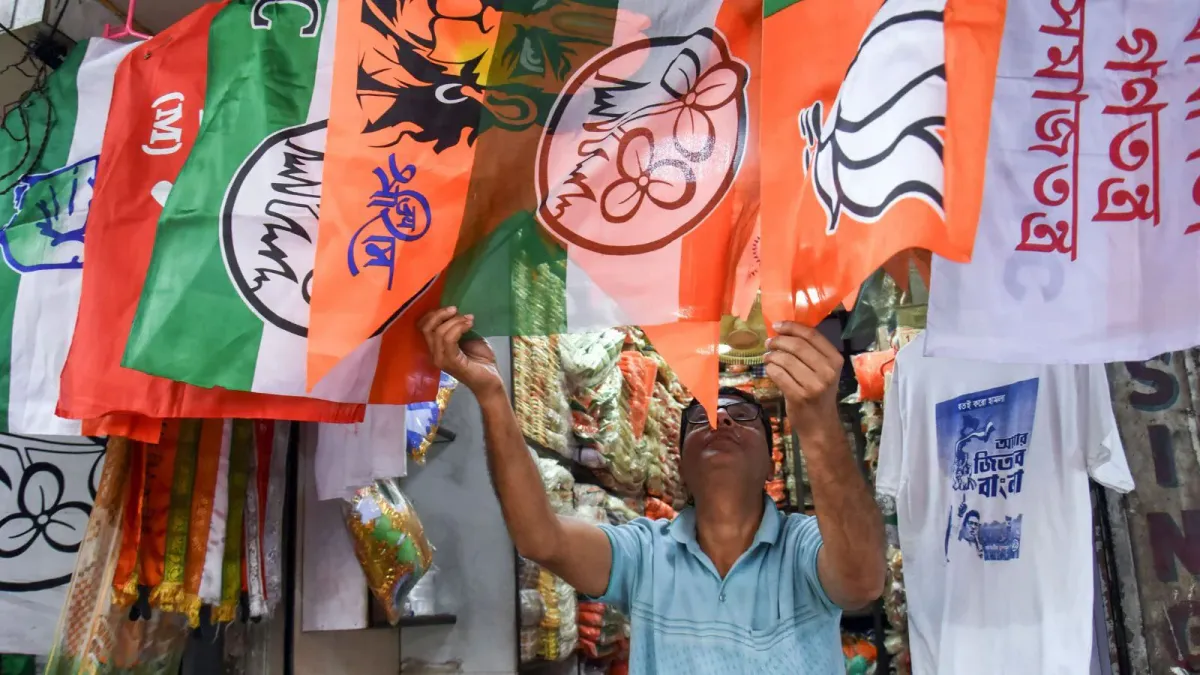
The Battle of Bengal begins— Since the last Assembly elections in 2021, the 2024 Lok Sabha polls are the most recent electoral test faced by parties in Bengal | Credit: The Indian Express
The Battle of Bengal begins— Since the last Assembly elections in 2021, the 2024 Lok Sabha polls are the most recent electoral test faced by parties in Bengal | Credit: The Indian Express
Upcoming elections in West Bengal, scheduled to be held on April 23rd and April April 29th, highlights multiple angles of political shifts and dilemmas. Recent updates report on the unveiling of All India Trinamool Congress’ latest manifesto, with ten additional promises for doubling on the welfare of Bengal; on the other hand, 19 appellate tribunals has been set up across the state, on Supreme Court's order, for hearing appeals against the judicial officers who are currently deciding on the eligibility of the electors of West Bengal.
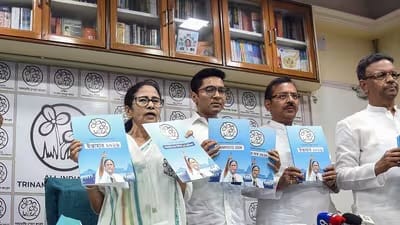
TMC unveils its Manifesto for the upcoming 2026 assembly election
TMC’s Manifesto unveiled: Setting the Stage for the Electoral battle
On Friday, the CM of West Bengal, Mamta Banerjee, announced TMC’s 10 promises, naming it— Banglar Jonno Didir 10 Protigya (Didi’s 10 promises for Bengal). The 10 poll promises includes—
Rs. 500 per month hike in Lakshmir Bhandar Scheme– a government flagship scheme.
Monthly financial support of Rs. 1,500 for unemployed youth under Banglar Yuba-Sathi scheme.
Allocation of 30,000 crore for agri Budget under Budget-E Krishi, Krishaker Hashi.
Mission that every family has a pucca home under Nishchit Bashasthan, Chintar Abashan campaign.
Provision of piped drinking water to every household under the Ghore Ghore Nal campaign.
Annual Dware Chikitsa camps (doorstep medical care) in every block or town.
Shikshai Sampad, Bhabishyat Nirpad for holistic upgradation of infrastructure of all government schools.
Purber Banijjyer Kandari, Bangla-i Dishari— ensuring that West Bengal becomes the gateway of trade for Eastern India.
Establishment of 7 new districts— Proshasonik Subiday, Notun Diganto Banglay.
The CM emphasised that these 10 Protigya (promises) will assist in the development of the state further. This is an active political step taken by the party amid the high-stake competition, prior to the elections.
Credit: India Today
Banerjee’s Claim: A Conspiracy Against her Government
During the campaign, Banerjee also targeted the NDA government at the centre for ‘conspiring’ against her government. She alleged that West Bengal was under an “unofficial President's Rule” and that the Centre had planned to snatch away the citizenship of its people in the name of NRC and Census after the Assembly elections. She added, “They have a plan to carve out a new state by separating North Bengal and merging it with parts of Bihar.”
Furthermore, she appealed to the people of West Bengal to remain united and vigilant, and requested them to not accept any kind of bribe or inducements. The CM also criticised how several IAS officers are reassigned as central poll observers in unknown territories on which they lack the knowledge of the ground realities.
Her complaint list also included the action taken by the Election Commission over the SIR issue, targeting the large-scale deletion of voters which are specifically affecting a particular community disproportionately.
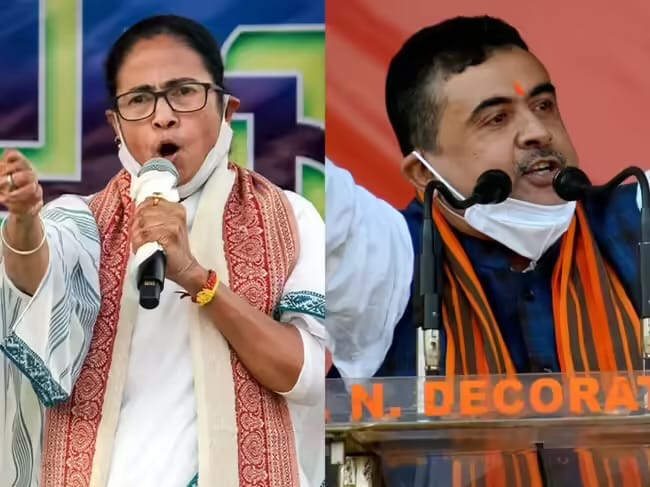
Mamata Banerjee kicked off her official poll campaign in Bhabanipur on Sunday
Bengal SIR appeal: Establishment of 19 appellate tribunals
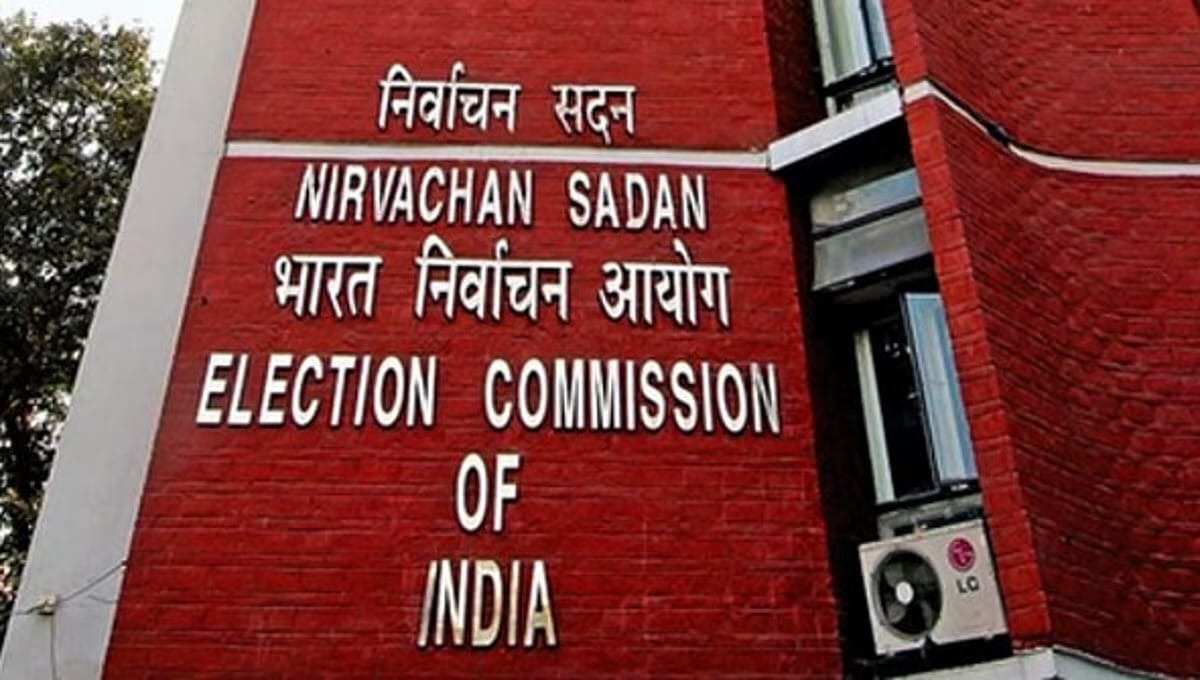
On Friday, the Election Commission of India set up 19 appellate tribunals for hearing appeals against the judicial officers who are currently deciding on the eligibility of the electors of West Bengal.
According to the orders by the Supreme Court and on the recommendation of Calcutta High Court Chief Justice Sujoy Paul, the EC has set up 19 former judges for 23 districts. While most of the judges were assigned a single district, three of them were allotted multiple districts.
The EC published a notification on how the appeals can be filed— Two methods were provided, either through EC’s ECINET website or physically at the office of the District Magistrates or Sub-divisional magistrates or Sub-divisional officers. Thereafter the respective tribunals are supposed to review the decisions made by the judicial officers which will determine whether the voter's name should remain in the electoral roll or be removed.
The EC sets up 19 appellate tribunals for hearing the appeals of the voters kept under adjudication | Source: The New Economic Times
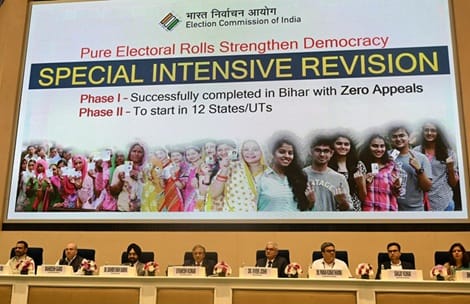
Report on Special Intensive Revision (SIR)
The Special Intensive Revision (SIR) Phase-II has been actively conducted in nine states and three UTs since October last year. Over 5.3 lakh Booth Level Officers (BLOs), 7.64 lakh Booth Level Agents (BLAs), 10,448 EROs/AEROs and 321 DEOs were assigned responsibility to make the SIR progress in a smooth, democratic and voter friendly manner. During the enumeration phase, BLOs are required to go house-to-house at least thrice for the distribution and collection of EFs.
This SIR exercise was launched in Bihar in mid-2025 where more than 8 crore voters were under enumeration. The exercise listed out the requirements— voters registered after January 2003 were required to provide proof of their name, birth date and parent's details, a stricter edition than the previous intensive revision processes. In UP, out of the total 15.44 crore registered voters, the names of 12.55 crore voters have been retained in the draft electoral roll after the exercise was completed.
Currently, West Bengal is experiencing the intensive revision of the voter's list with an objective to update and correct the electoral roll to prevent duplicity and fraud. In December, the EC had deployed 8,100 micro-observers who assisted in scrutinising electoral roll entries until the final list was published. Even after the release of the final list, 60.06 lakh electors were kept “under adjudication”. These cases are being decided by judicial officers currently. In case of dissatisfaction of the concerned voters, they can appeal to the appointed appellate tribunals.
The Special Intensive Revision Phases
Way Forward
The unfolding scenario in West Bengal highlights the deeper democratic paradox. While the latest manifesto announced by TMC bridges the gap between the state and its people, on the other hand, the SIR issue over the voter's credibility raises critical questions about who ultimately constitutes “the people” in a democracy.
Certain groups are questioning the centre on the abrupt necessity of the exercise of SIR, which could have been conducted much earlier during the Lok Sabha elections. While the government emphasizes on the importance of scrutinizing the voter's list from a grassroot level perspective, with a gradual and meticulous procedure, which will further help in providing a transparent and credible electoral roll.
Share this article
The link has been copied!
Members Discussion
Your link has expired. Please request a new one.
Your link has expired. Please request a new one.
Your link has expired. Please request a new one.
Great! You've successfully signed up.
Great! You've successfully signed up.
Welcome back! You've successfully signed in.
Success! You now have access to additional content.
What’s Coming Next?
Explore our upcoming features, author interviews, and deep-dives into new policy reforms.