National Politics
The digital count across India started for its Census 2027. The Census project started for India after 15 years since the last Census in 2011. Originally scheduled for 2021 but postponed due to the COVID-19 pandemic,the Census 2027 project began its first phase through house registration. The house listing phase started on April 1 2026. The process of population enumeration began after the house listing phase. The new online system allows citizens to create their unique 16-digit identification number. The online system generates a unique 16-digit identification number which needs to be verified through enumerators. The rollout in Delhi started on April 16 with coverage of NDMC and Cantonment areas until May 15. The MCD areas of the city started their rollout on May 16 and ended on June 15. Droupadi Murmu C. P. Radhakrishnan and Narendra Modi and Amit Shah started their online registration process as part of a ceremonial effort. Census 2027 will transform India's policy formation process and political debates and governmental system through its 33 questions. The census will gather data through an extensive questionnaire which includes live-in couples as couples and caste identification and strict data protection measures.
President Droupadi Murmu participated in the self-enumeration initiative of the Government of India for Census 2027 at Rashtrapati Bhavan. This Census is being conducted in digital mode for the first time.
— President of India (@rashtrapatibhvn) April 1, 2026
The President self-enumerated her household details in the portal… pic.twitter.com/figZns8YBH
A Delayed Yet Defining Exercise
The 2021 Census of India which takes place every ten years since 1872 experienced its most severe disruption when the pandemic forced its postponement. The delay created a significant data vacuum which disrupted both planning and welfare targeting and policy decisions.
The government plans to use updated and complete data to close the gap between now and Census 2027. The reference date has been fixed as March 1, 2027 because it will create consistent population statistics throughout the country.
Digital First: A New Era of Enumeration
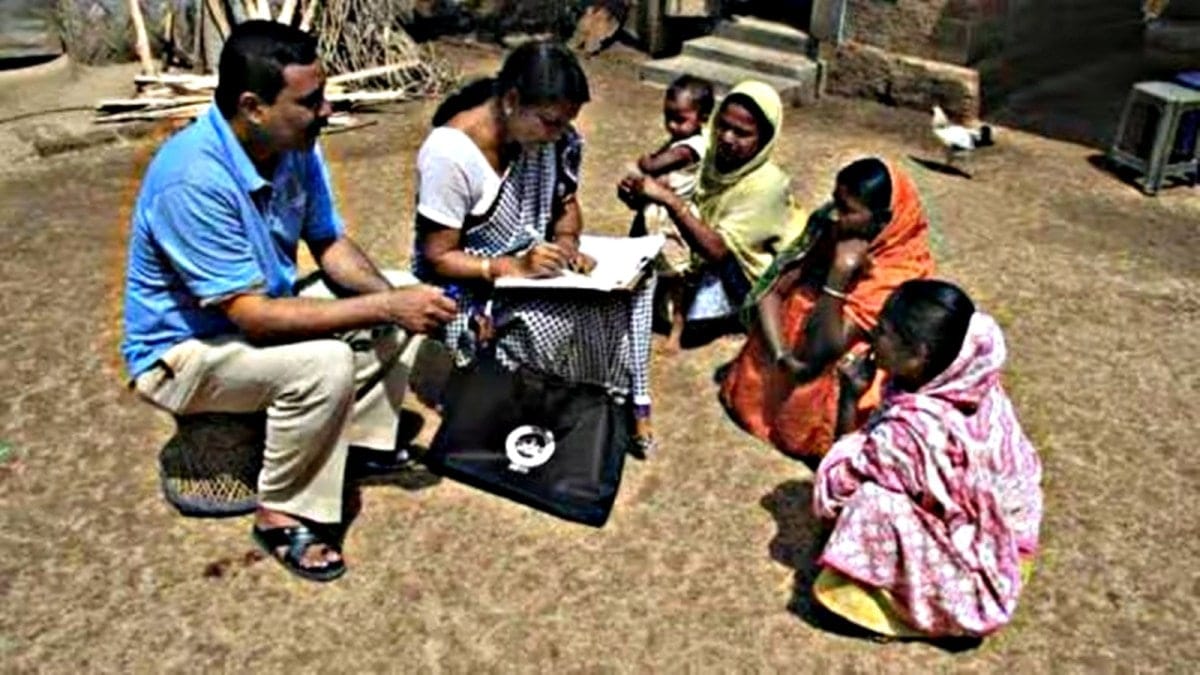
For the first time, India is embracing a Digital Census model. Citizens can now:
Fill details via CMMS App/www. se.census.gov.in
Login with mobile number and follow the process
After confirmation and submission,receive a unique 16-digit self-enumeration number
Share this number with visiting enumerators for verification
This hybrid model ensures both convenience and accuracy, reducing manual errors while maintaining on-ground validation. The move is being seen as a major step toward Digital India governance, integrating technology into one of the world’s largest administrative exercises.
Phased Implementation: From Houses to Humans
The Census operates with two main stages which work together to complete its mission. The first phase of the project requires fieldwork to start in 2026 through its house listing process which began on April 1st. The second phase of the project involves gathering data about people through their demographic information and their social and economic status. The organization uses its phased method to achieve complete coverage while maintaining effective operational procedures.
What’s New: Expanded Questionnaire and Social Recognition
Census 2027 introduces a 33-question format, which enables researchers to acquire detailed information about social economic conditions. The census now counts live-in couples as official households because their relationship status has become more common in modern society.
33 QUESTIONS YOU NEED TO ANSWER
A) House Identification
1. Building number
2. Census house number
B) Structure Details
3. Floor Floor material
4. Wall material
5. Roof material
6. Use of house
7. Condition of house
C) Household Details
8. Household number
9. Total residents
10. Name of head
11. Sex of head
12. SC/ST/Other category
D) Ownership & Living Conditions
13. Ownership status
14. Number of rooms
15. Married couples in house
E) Basic Amenities
16. Drinking water source
17. Availability of water
18. Lighting source
19. Access to washroom
20. Type of washroom
21. Wastewater outlet
22. Bathing facility
23. Kitchen & LPG/PNG
F) Energy & Cooking
24. Cooking fuel
G) Assets & Connectivity
25. Radio/Transistor
26. Television
27. Internet access
28. Laptop/Computer
29. Mobile/Phone/Smartphone
H) Transport Assets
30 Bicycle/Scooter/Motorcycle
31. Car/Jeep/Van
I) Food & Contact
32. Main cereal consumed
33. Mobile number (for census communication only)
Another major inclusion is the caste census, a long-standing demand by opposition parties. Initially resisted, the government has now agreed to include caste data, making this one of the most politically significant aspects of the exercise. In 1931 the last full scale cast census was conducted before independence. This is the first time caste census has happened after independence.
Data Privacy: Assurance from the Government
Given the scale and sensitivity of data, the government has emphasised strict confidentiality:
Individual data will not be used in courts or government schemes
Information will be released only in aggregated form in 2027
This assurance is crucial to building public trust in a digital-first Census.
Political and Policy Implications
Census data functions as the essential foundation for Indian governance through its application in:
Allocation of resources
Delimitation of constituencies
Welfare scheme targeting
Census 2027 will create major changes in political discussions and reservation arguments and election tactics because it now includes caste information.
The government considers this exercise to hold great importance because President Droupadi Murmu and Prime Minister Narendra Modi participated in its first day activities.
Completed my self enumeration.
— Narendra Modi (@narendramodi) April 1, 2026
Today marks the beginning of the first phase of Census 2027, relating to house listing and housing operations. This census is the first time data collection is being done through digital means. It also empowers the people of India to… pic.twitter.com/JiItYAOUAW
Challenges Ahead: Scale and Accuracy
The world needs to conduct its biggest census which presents major difficulties to complete. The main challenges for this project include these three areas:
Remote areas require digital access to all services
Preventing data breaches
Hybrid systems need specialized training for their enumerators
Self-reported information needs to undergo cross-validation
The implementation of both technological systems and field verification methods will improve the overall reliability of the process.
Conclusion: A Historic Data Moment for India
The Census 2027 process serves as a population measurement which will mark a critical point in India’s governmental development. The outcome will create extensive effects which will transform digital systems and social recognition and political system networking. India needs to maintain three essential elements during its extensive data collection process which include precise measurement and complete representation and secure handling of information. The results will not just count people they will shape the future of policy politics and development in the world’s largest democracy.
Members Discussion