National Politics
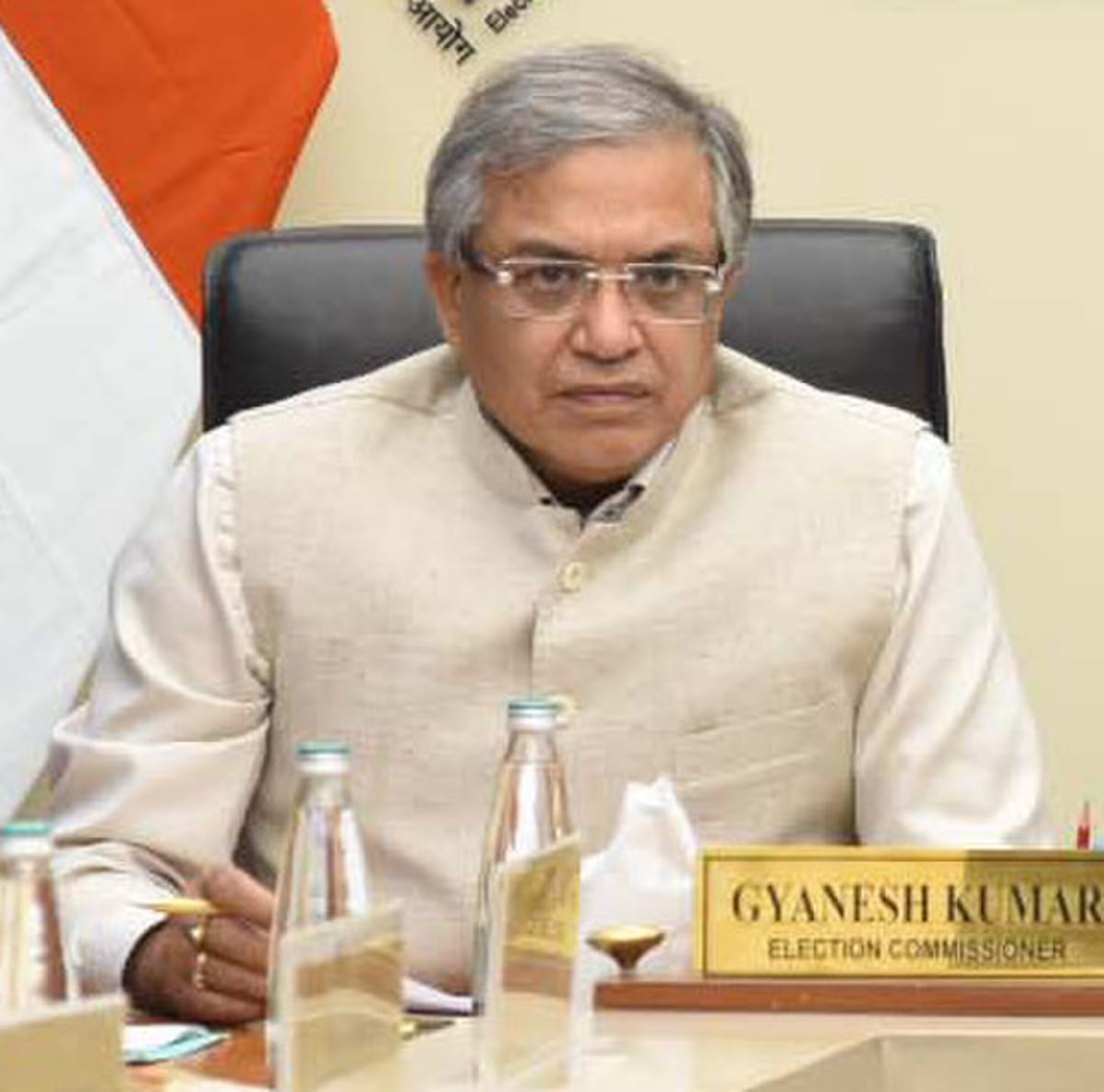
The opposition parties have introduced the impeachment motion against Gyanesh Kumar (India’s Chief Election Commissioner), accusing of partiality and misusing his constitutional authority. Reports indicate that 193 MPs (130 from Lok Sabha and 63 from Rajya Sabha) have signed a notice to initiate the impeachment, which has been sent to presiding officers of both Houses for consideration. This has created a considerable amount of discussion within various political parties; however, experts agree that unless the Lok Sabha Speaker permits the motion and acquires a two-thirds majority in both Houses, it will be near impossible to remove the Chief Election Commissioner.
Opposition’s Allegations and the Political Context The TMC and other opposition parties initiated this motion based on their allegation that the Election Commission under Kumar had acted on behalf of the ruling party. The opposition thinks that this motion is part of the larger story of Vote Chori (Vote Theft) that has many individuals accusing Kumar of being biased when conducting elections and committing irregularities while reviewing voter rolls. The opposition party leaders believe that the authority of the Election Commission should not be perceived as being influenced by politics.
The Constitutional Framework for Removing a CEC
Experts on the Constitution indicate that it will be quite difficult for the Chief Election Commissioner (CEC) to be removed from office under the provisions of the Constitution which pertain to his removal through a process similar to that used for removal of judges on the Supreme Court based upon sufficient evidence of conduct or disability. Under Article 324(5) of the Constitution, In order to remove a CEC via impeachment requires a two-thirds vote in both the Lok Sabha and Rajya Sabha - neither of which has currently met that level, thereby making an impeachment motion highly improbable.
Why Many Analysts Call It a ‘Symbolic’ Move
According to analysts, "thus, the effort to impeach has been viewed more as a political statement by opposition political parties...than legislatively possible". Through this effort to impeach, opposition parties want to draw attention to issues about the operation of the Electoral Commission and also have those issues addressed on a national scale in Parliament.
Opportunity for the CEC to Present His Defence
If the motion proceeds beyond the admission stage and an inquiry committee is created, the Chief Election Commissioner will be given a full opportunity to present his defence before the panel, i.e. by responding to allegations, submitting documentary evidence, and explaining the decisions taken by the Election Commission in his defence. The inquiry process is designed to ensure fairness and protect the independence of constitutional authorities from any interference.
VIDEO | Delhi: AAP leader and Rajya Sabha MP Sanjay Singh on the TMC bringing an impeachment motion against the Chief Election Commissioner says, “Yes, we have also signed it. Our MPs have signed the motion. The conduct of Chief Election Commissioner Gyanesh Kumar appears… pic.twitter.com/jxZe3gt2iJ
— Press Trust of India (@PTI_News) March 12, 2026
A Test for Institutional Accountability
Ultimately, the decision to either approve or disallow the impeachment motion resides with the presiding authorities of parliament. If approved, it can result in a parliamentary inquiry into the independence and operations of India's Electoral Commission. Regardless of whether the motion passes, it has served to generate increased political discourse on issues relating to institutional accountability and oversight within a democratic system.
Members Discussion