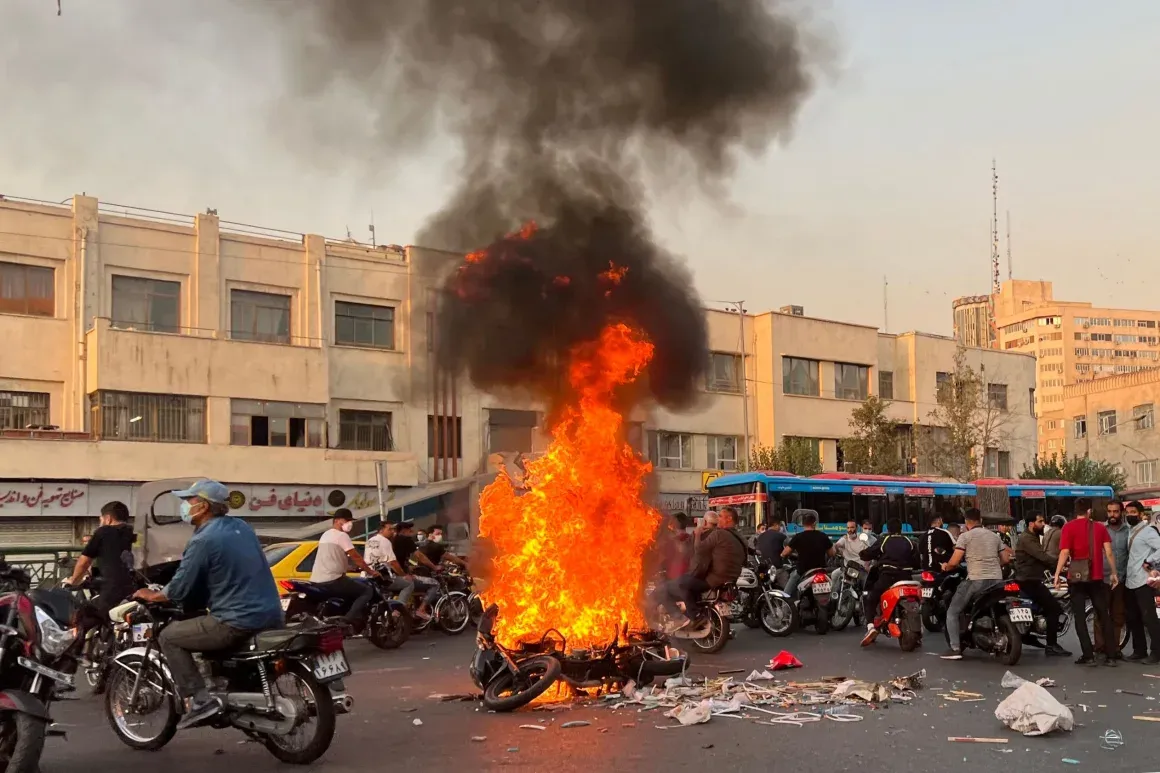
From Tehran’s Grand Bazaar to all 31 provinces, Iran is witnessing a rare nationwide uprising. Crushed by inflation, a collapsing rial, and war-driven sanctions, protesters chant against power itself. What ignited this moment and where could it lead?
Another uprising in the Middle East is indicating a significant political transformation this year. The Merchants of Tehran’s Grand Bazaar have come off the streets of Iran to raise their voices against the economic and political injustices inflicted by the current Iranian government.
Immediate Reasons for the Protests
What began with shopkeepers quickly spread nationwide to all 31 provinces of Iran, drawing students, workers, and ordinary citizens into the streets with broader anti-government slogans. But what is the reason for the protests?
What is happening in Iran is not a protest anymore, it’ a REVOLUTION against radical Islamists who have hijacked the beautiful country of Iran for 47yrs.
World leaders must stand with Iranians who are fighting against a criminal Islamic terrorist regime that has sponsored… pic.twitter.com/aOHcpoId5W
— Marziyeh Amirizadeh مرضیه امیری زاده (@MAmirizadeh) January 9, 2026
An uprising of this extent is not merely a result of one or two events; it is a byproduct of a complex, multifaceted decision-making structure. However, a few immediate reasons caused the protest to spread nationwide:
Record inflation — food and basic goods soared in price, with food inflation reportedly up ~70% year-on-year.
Rial collapse — a historic low exchange rate (about 1.4 million Iranian rials to 1 USD) eroding wages and savings.
Sanctions impact — intensified UN and US sanctions reduced oil revenue and foreign exchange reserves.
These conditions have hit ordinary Iranians hard, shrinking purchasing power and pushing many households into hardship.
In June 2025, Iran and Israel engaged in a brief but intense 12-day conflict involving missile and drone exchanges and strikes on Iranian nuclear and military sites. Western allies called for diplomacy after US strikes escalated tensions. Although a ceasefire was reported, it was repeatedly imperfect, with accusations of violations from both sides.
The War played a pivotal role in further straining US-Iran relations. Resources were diverted to war efforts rather than domestic needs, which made Iran's economy unsteady. Sanctions intensified amid the nuclear escalation, further squeezing the economy.
Potestors' Side and Exiled Voices
Crowds nationwide have been chanting anti-government slogans like “Death to the dictator,” directly criticizing the leadership and calling for major changes. First-person testimonies describe grave violence:
“They are killing us… at noon in the square they beat a woman so badly she couldn’t stand.” — female protester in Kurdish region (claiming security force abuses).
Reza Pahlavi (exiled crown prince) expressed support for nationwide strikes and civil mobilization, encouraging Iranians to continue protesting and consider political change. International figures and rights groups have condemned Iran’s repression:
“The Iranian people are yearning for freedom after decades of repression… nearly 2,000 executions have taken place in the past year alone,” — foreign ambassador commenting on the protests and broader human rights context.
Share this article
The link has been copied!
Members Discussion
Your link has expired. Please request a new one.
Your link has expired. Please request a new one.
Your link has expired. Please request a new one.
Great! You've successfully signed up.
Great! You've successfully signed up.
Welcome back! You've successfully signed in.
Success! You now have access to additional content.
What’s Coming Next?
Explore our upcoming features, author interviews, and deep-dives into new policy reforms.