National Politics
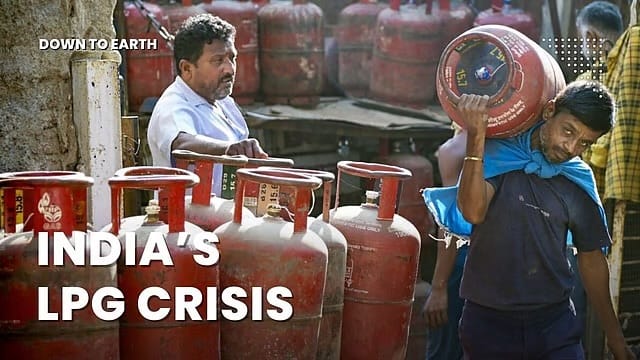
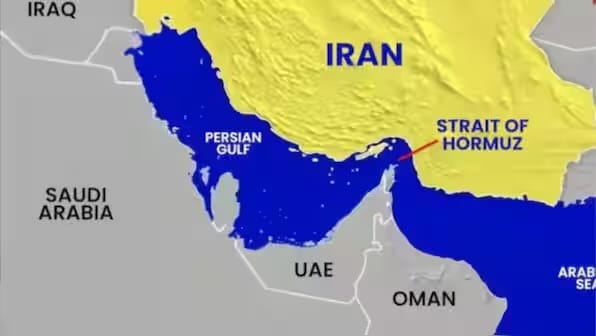
The ongoing tensions in West Asia have created turbulence in the Indian energy supply chain. India depends on Gulf producers for more than 60% of its LPG and heavily on Qatar for LNG. Any disruption in the critical chokepoint— the Strait of Hormuz, could possibly impact a major share of the Indian energy supply chain. The government claims that India, at the current rate, holds on to more than 250 million barrels of crude oil and refined petroleum products in its stock, providing a relief of 7-8 weeks of security of energy supply. However, the government is facing backlash and a plethora of questions on India's preparedness in the long run, emphasising the potential threat of long-drawn wars.
Accessing the implications at the national-level
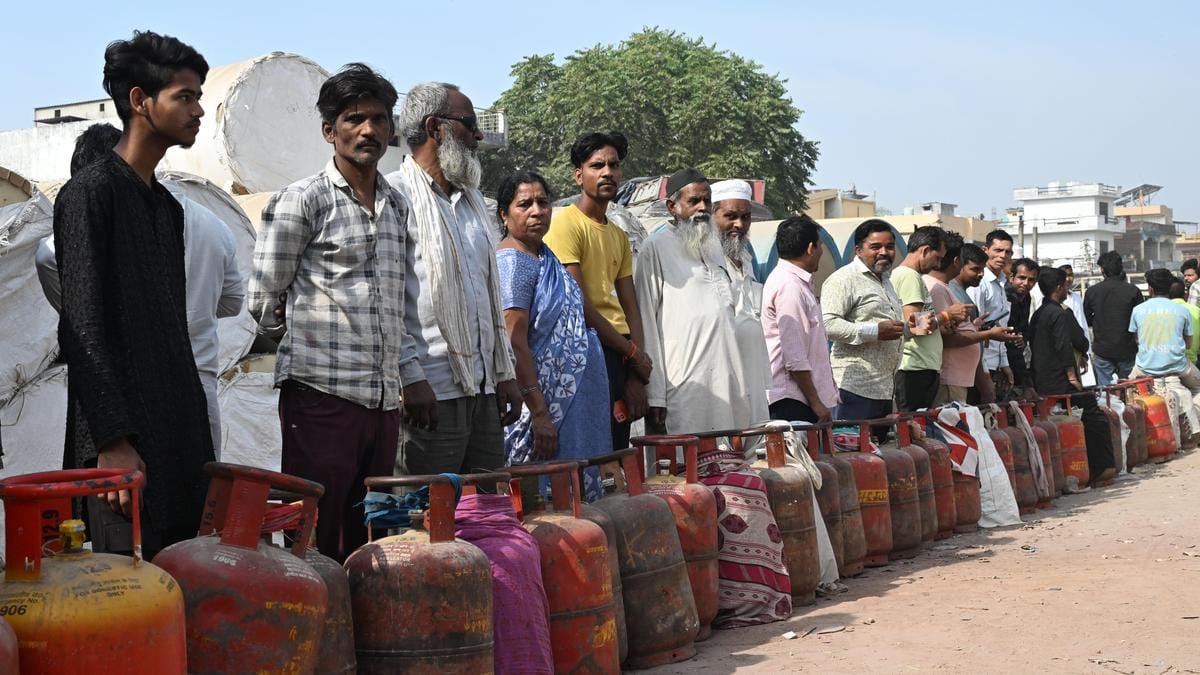
Data says, India consumes 31.3 million tonnes of LPG annually, the primary cooking fuel used in the country. Nearly 60% of LPG has a record of import from the Gulf countries, and the current shortage of it is a direct impact of the instability in the West Asian region. The shut down of the Strait of Hormuz due to the ongoing tensions had disrupted shipping and export business. Natural Gas is processed into LPG, which is further used for cooking at the household and commercial levels. Price hike by ₹60 per cylinder is reported on Saturday. Additionally, natural gas is compressed into CNG, which is used as a fuel. Nearly 7.5 million vehicles run on CNG. In order to prevent shortage at the households, the government has announced to prioritize LPG supply for domestic consumers. This step has created a supply crunch for the commercial users. Restaurants, hotels, cafes, small businesses, and street vendors across India have been significantly hit by the crisis. Many of these commercial shops are either being shut down or have limited their service to only tea and coffee.
Government’s measures amid the crisis
Recently, the government has invoked the Essential Commodities Act, 1955, to regulate the supply of natural gas. Its major objective is to divert natural gas to the priority sectors. A new priority sector list has been released by the authority. 1) The top category will be provided with a continuous 100% of the average supplies, which includes LPG for homes and CNG for vehicles. 2) The second category will get 80% of the average supplies, which includes industries connected to the natural gas grid. 3) The next category includes most of the industries and commercial users, who will be getting 80% of the average supplies. 4) 70% of the average supply is dedicated to fertilizer plants. Reports highlight that India’s LPG output has increased by 10% after prioritising supplies to households over industry consumers. On March 5, the Petroleum and Natural Gas Ministry had asked all oil refining companies to maximise production. Additionally, the government came up with viable options for LNG, apart from Qatar, which included the U.S and Norway. The only challenge is the distance between the importers and India, which accelerates the price. To this, an official made bold statements, “We were getting Qatar gas at $6-8 per MMBtu, and now the price is $15 per MMBtu.” He further added, “But, the economics of it is that, once the price crosses even $10 per MMBtu, then gas from Norway and the U.S. becomes viable despite the long distance.”
India’s LPG output surges to 25%
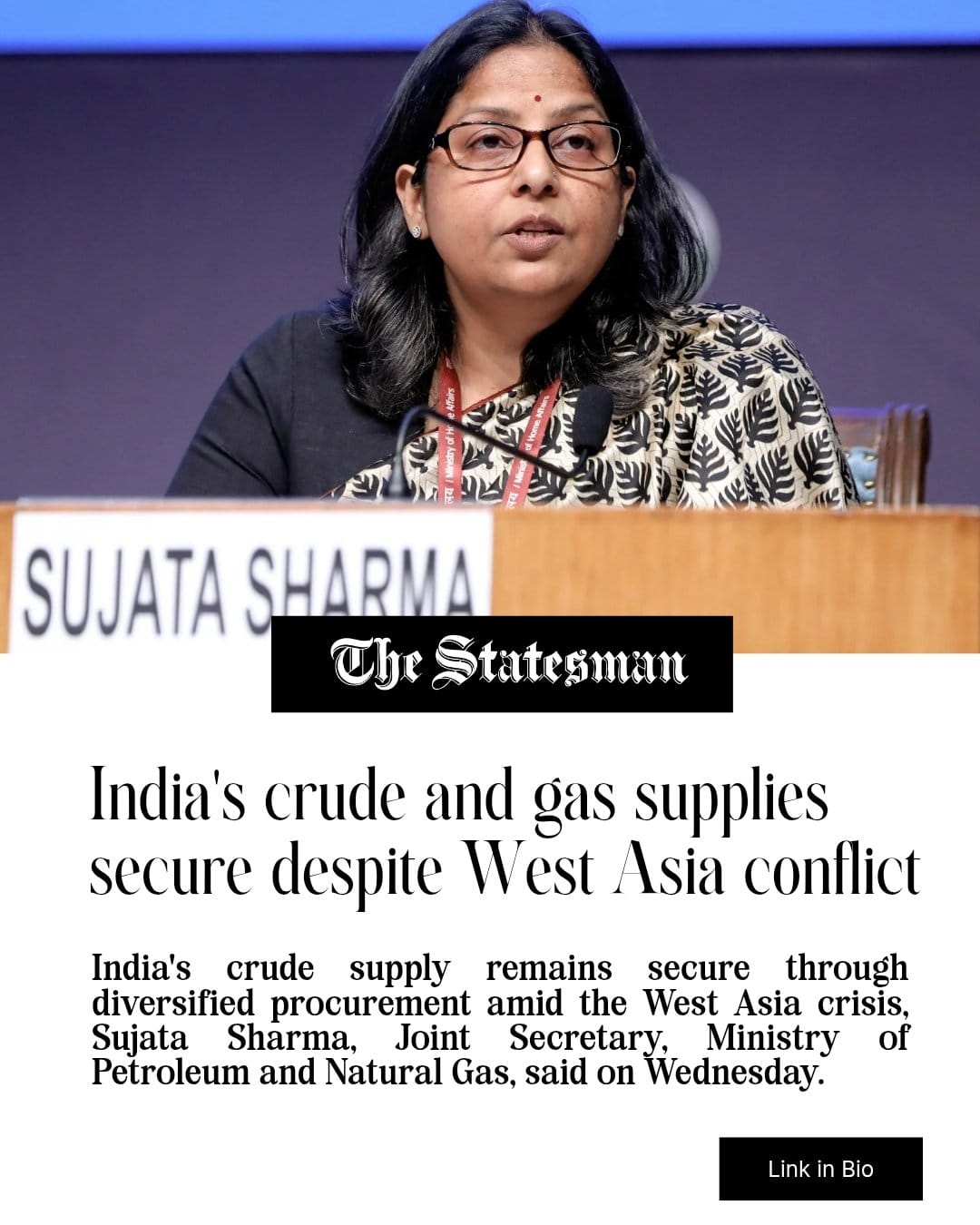
The government urged consumers to refrain from panic. On Wednesday, Sujata Sharma, the Joint Secretary at the Ministry of Petroleum and Natural Gas (MoPNG), addressed the Indian consumers reporters at an inter-ministerial brief. She mentioned about the 25% rise in India's LPG production since the government instituted the supply maintenance order on March 8, 2026, and all these are diverted to the household consumers. The senior official said, “ I would want to inform the normal delivery cycle of domestic LPG remains [unaffected] at 2.5 days. Therefore, there is no need for customers to rush for booking cylinders, there is no need for panic booking.”
The Conclusion
The turbulence in the International arena has significantly impacted domestic governance. Energy security cannot be viewed merely as a logistical or economic issues, it is deeply intertwined with international politics and maritime security. The Strait of Hormuz holds a major importance for India; disturbance in the region has impacted the energy supply and import businesses. Although the government has taken significant measures to prevent India from a grave crisis amd is continuously assuring the public about the energy security, however impacts are quite evident in the market.
Members Discussion