National Politics
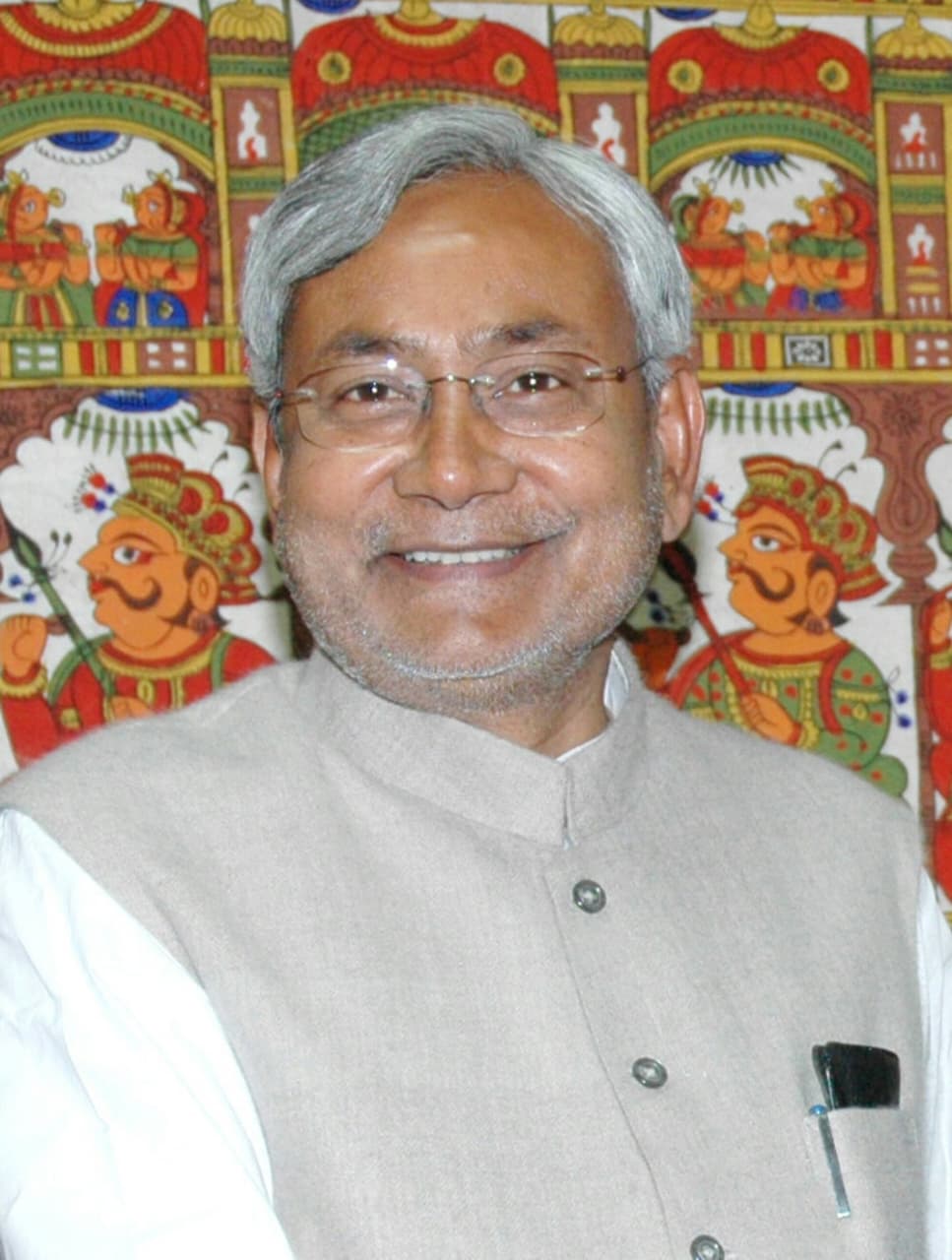
In an unexpected political move, Nitish Kumar—the long-time leader of Bihar with over 20 years of service throughout multiple administrations—has overturned his Legislative Council membership (MLC) while still acting as Chief Minister, suggesting he is looking to move into national politics through the Rajya Sabha. Many consider this move an alliance with Bharatiya Janata Party, which has been speculated about months and was further advanced when the Home portfolio, which Kumar has held for nearly 20 years, was handed over to Samrat Choudhary. As politicians speculate about who will take over for Kumar in Bihar in the event of a leadership change, candidates include Samrat Choudhary, JDU may be projecting Nitish's son Nishant Kumar will assume that office as well. This likely marks a pivotal point for BJP, as they will be looking to appoint their first Chief Minister ever to the state, putting Bihar in the spotlight of national politics once again.
The End of an Era: Nitish’s 20-Year Political Dominance
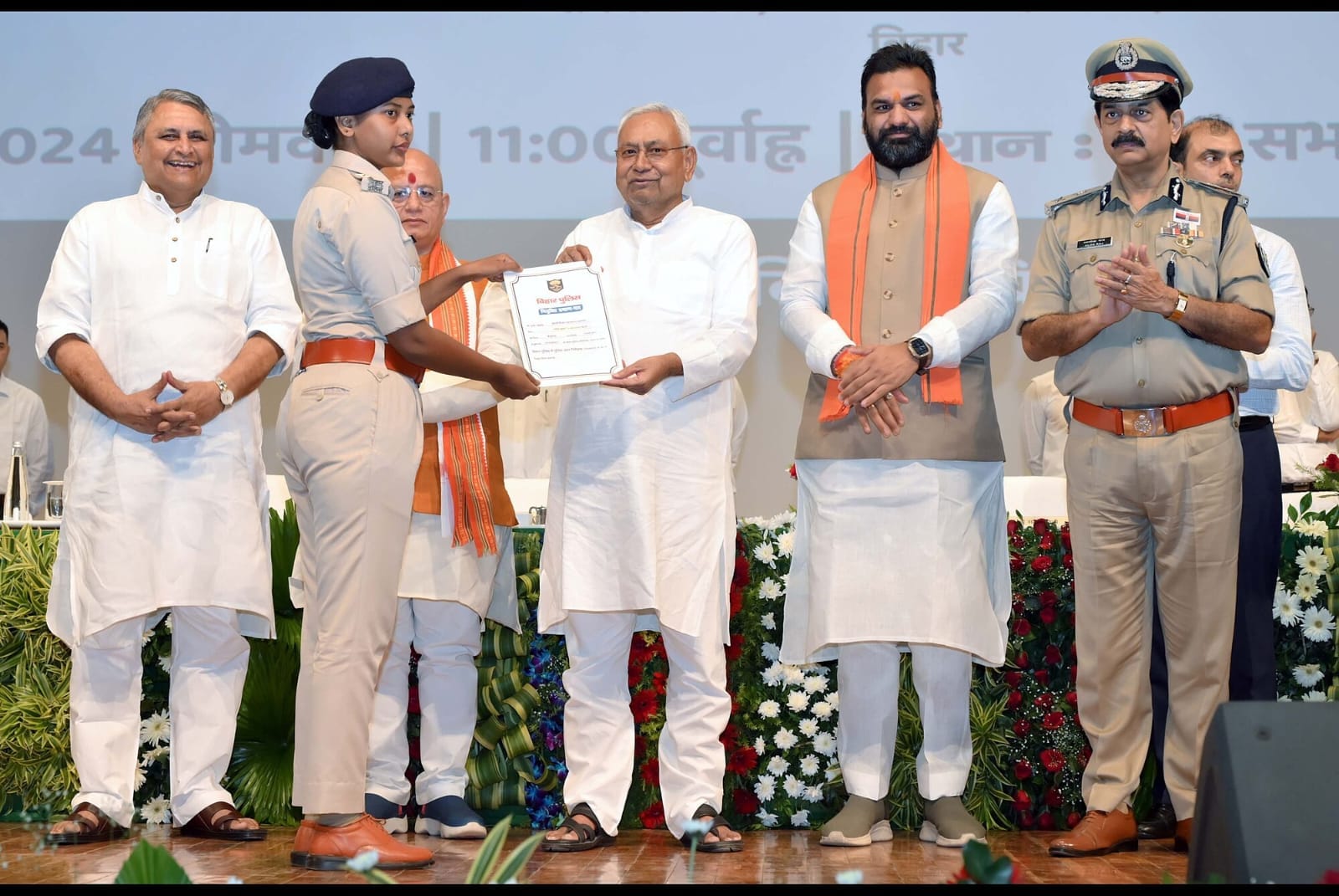
Nitish Kumar has been the most important figure in Bihar politics for more than twenty years. He began his political career in 2005 and served multiple terms as Chief Minister of Bihar through 10 consecutive oaths of office which established his record. His governance model earned him the nickname "Sushasan Babu" while critics called him "Paltu Ram" because of his frequent political party changes. His choice to resign from legislative duties demonstrates his intention to move from Patna to Delhi despite his official term lasting until 2030. His recent public messaging included a social media statement on X which he designed to show his voluntary decision to leave although people expected him to face political pressure.
पिछले दो दशक से भी अधिक समय से आपने अपना विश्वास एवं समर्थन मेरे साथ लगातार बनाए रखा है, तथा उसी के बल पर हमने बिहार की और आप सब लोगों की पूरी निष्ठा से सेवा की है। आपके विश्वास और समर्थन की ही ताकत थी कि बिहार आज विकास और सम्मान का नया आयाम प्रस्तुत कर रहा है। इसके लिए पूर्व में…
— Nitish Kumar (@NitishKumar) March 5, 2026
Why Now? The Timing and Triggers The Timing and Triggers demonstrate why this moment is relevant. The timing is crucial. Speculation over Nitish’s reduced role had been building for months but intensified after the Home Ministry—long considered his power centre—was taken from him and given to Samrat Choudhary, a BJP deputy CM reassigned. This was widely interpreted as a signal of diminishing authority within the alliance.
The sources state that Amit Shah and other BJP leaders convinced Nitish to become a Rajya Sabha member by promising him more national political power which might include a Cabinet position because of his senior status. The electoral strategy of BJP supports the move because they use Nitish’s image to create temporary stability while they plan for leadership changes before the upcoming elections. The BJP needs to avoid accusing him of voting for Nitish Kumar who they failed to make CM. The BJP chose this path because they wanted to achieve their own goals.
BJP’s Big Opportunity: A Long-Awaited Goal The BJP has a major chance to reach its long-term objective. The BJP has never established its own Chief Minister in Bihar, which remains the last major state of Hindi-speaking regions. The state now offers the party an exceptional chance to achieve its first major historical transformation. In the 2020 election cycle, the JDU maintained Chief Minister Nitish Kumar as their leader even after having fewer seats than the BJP. However, both parties have significantly more seats in the 2025 assembly elections, giving the BJP a better chance to have more leadership in Bihar.
The proposed plan would be: 1. The Chief Minister of the BJP 2. Two Deputy Chief Ministers of the JDU The new power distribution will establish a power equilibrium while creating a significant political transformation throughout Bihar.
The Succession Race: Who Will Be Bihar’s Next CM?
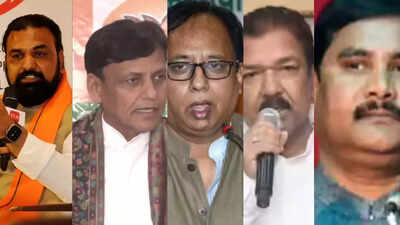
The BJP is always known for last-minute surprises, but several names are cerculating: Samrat Choudhary Current Deputy CM, widely seen as a front runner and groomed by the central leadership. Nityanand Rai – A strong OBC face with organizational backing. Sanjay Jaiswal, Dilip Jaiswal, and Janak Ram – Other contenders being discussed. The top BJP leadership will make the final decision because they want to keep state leaders in the dark about their upcoming choice.
JDU’s Internal Shift: The Rise of Nishant Kumar
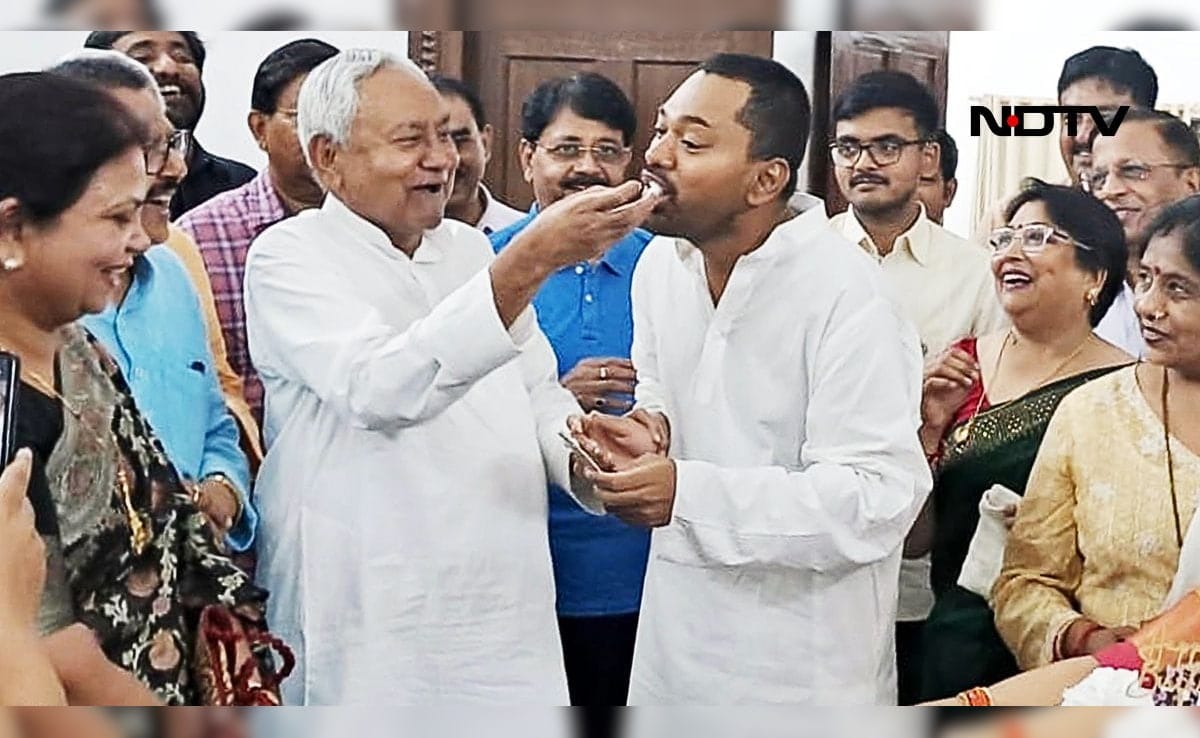
The political future of JDU now depends on the internal power struggle which has emerged between its leaders. The party is preparing for its next leadership transition which will involve new leaders taking control of operations and decreasing the power of established leaders. Nitish Kumar’s son, Nishant Kumar who has largely stayed away from public life to become his father's political successor. Party workers reportedly urged Nitish not to step aside, but he remained firm—indicating a calculated transition plan. The entry of Nishant into JDU would establish the first instance of dynastic politics which the party has traditionally avoided since its establishment.
From Patna to Delhi: Nitish’s National Role Nitish Kumar’s elevation to the Rajya Sabha from Patna signifies his repositioning, not retirement. At the national level he is expected to take on increasing responsibilities with respect to coalition politics along with a senior role within Cabinet as part of government. He will provide experienced and administrative leadership to the national government during a time when coalition-building continues to play an important role in effective governance.
#WATCH | Bihar Minister Vijay Kumar Choudhary says, "CM has been elected as a Member of the Rajya Sabha. So, this (resignation) was a Constitutional necessity...Nitin Nabin is also resigning today. So, Nitish Kumar is also resigning..." https://t.co/RTzesmV0lB pic.twitter.com/6CxZG5kut9
— ANI (@ANI) March 30, 2026
Beyond Bihar: BJP’s Larger Political Blueprint The Bihar transition is part of a broader strategy the BJP plans to expand its operations in eastern and southern areas after achieving territorial control over most Hindi heartland states. The party has identified West Bengal and Tamil Nadu as its next expansion targets. The installation of a BJP chief minister in Bihar will establish an important political achievement. The party’s long-term roadmap will drive its efforts to expand both its ideological base and organizational presence throughout India.
Conclusion: Bihar at the Centre of National Politics Bihar reached its current situation because Nitish Kumar ended his two-decade political reign and began his new position. The upcoming weeks will determine who becomes the next Chief Minister while also changing the state's political landscape and its influence beyond state borders. The Bharatiya Janata Party prepares to achieve its historic victory while the Janata Dal United party undergoes its internal changes which make Bihar the center of India’s political narrative. The current chapter ends but the upcoming chapter will have much greater significance.
Members Discussion