Sports
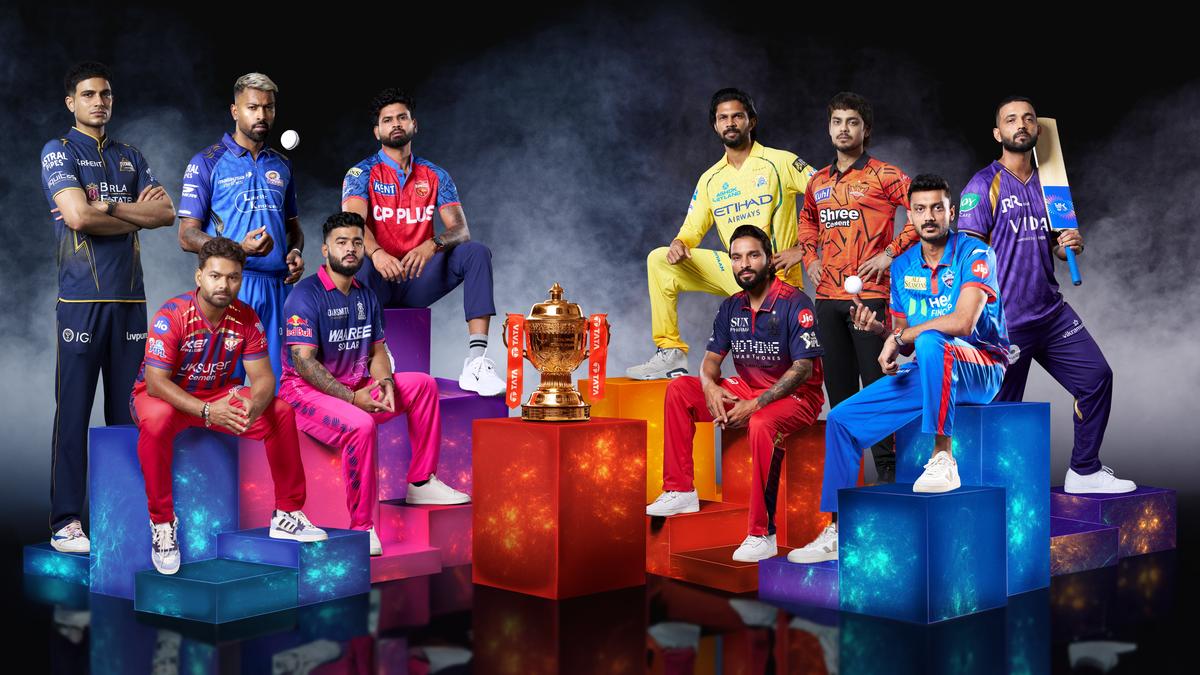
The Indian Premier League (IPL) started its 19th season on March 28, 2026 which featured 10 teams and 70 league matches across 13 distinct venues in India. It introduced a major change in IPL by making Indian players the captains for all teams. It shows the pool of talent that India has. The league shows a change in how teams operate because of its new leadership system which begins with Rajat Patidar at Royal Challengers Bengaluru and continues through Ruturaj Gaikwad at Chennai Super Kings. The season opener between RCB and Sunrisers Hyderabad establishes the competition framework for a billion-dollar tournament which dominates white-ball cricket in India while supporting Olympic goals and BCCI selectors who monitor ODI team development. The league reaches its maximum financial capacity through franchise agreements which set new records, including RCB's $1.78 billion sale and Rajasthan Royals' $1.63 billion valuation, which demonstrate IPL as the largest T20 league worldwide.
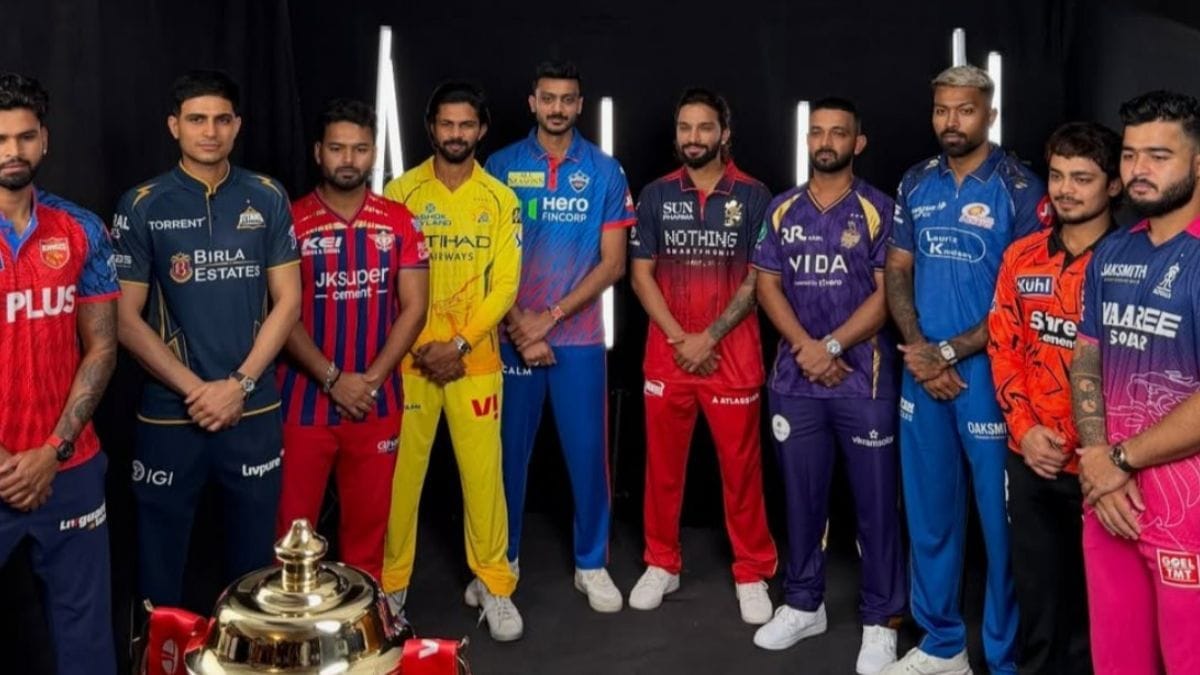
All of the Captains in IPL are Now Indian & Define a New Era of Indian Cricket
This year’s IPL features a record number of all-Indian captains with Shubman Gill (GT), Hardik Pandya (MI), Rishabh Pant (LSG) and Ajinkya Rahane (KKR) among them. This shift has been deliberate and planned; the BCCI are committed to developing the next generation of Indian cricket leaders and have invested significantly in the Indian leadership vision. The IPL is evolving from being “only” a professional stadium-based tournament to a leadership academy for future generations of India’s cricket leaders.
White-Ball Dominance and Tactical Evolution
India demonstrated their capability to win major men's tournaments through their white-ball victories which they achieved during recent years. The team held its T20 championship from the 2023 ODI World Cup until the present date in 2026 through Suryakumar Yadav's captaincy during the 2026 home match which marked their first title defense in team history. India has demonstrated its superiority under Gautam Gambhir's coaching who faces online trolling because of his decision-making. But he has given the results and totally changed the approach of the team. India has a win percentage of more than 90% in white ball cricket. The IPL high-pressure environment brought significant advantages to Indian players. The league has introduced new definitions for three areas of baseball which include:
- Power-hitting templates
- Death-over bowling strategies
- Data-driven matchups
Young Indian players now regularly face global talent, which accelerates their learning process. IPL has turned into a testing platform which simulates international cricket, thus helping India achieve success in limited-overs matches.
Selectors on Watch: Road to Olympics and ODI Core Formation
Every IPL game is now an audition. The BCCI selection committee will monitor:
Emerging Indian talent Captaincy decisions under pressure
Fitness and workload management Cricket is set to feature in the Los Angeles 2028 Olympics. Cricket is returning to the Olympics after 128 years. The only previous appearance was at the 1900 Paris Games. That's why IPL 2026 assumes added importance. The BCCI is expected to use this season to:
- Identify T20 specialists for Olympic squads
- Build a flexible ODI core for the 2027 World Cup
- Test multirole players under pressure
- And shortlist the core of 20 players
The Ajit Agarakar-led panel comprises SS Das, RP Singh, Ajay Ratra and Pragyan Ojha. The panel members are expected to be present for matches at their respective bases while tracking the other games on TV. Agarkar is Mumbai-based, Das is a Kolkata resident. RP Singh and Ratra reside in the National Capital Region, and Ojha is expected to watch his share of the IPL games in Bengaluru and Hyderabad. "The BCCI is looking at each selector watching at least one game per week, which covers five games per week from the venue. Else, obviously, they could track on TV," the official said.
From Idea to Empire: The Making of IPL (2008–2026)
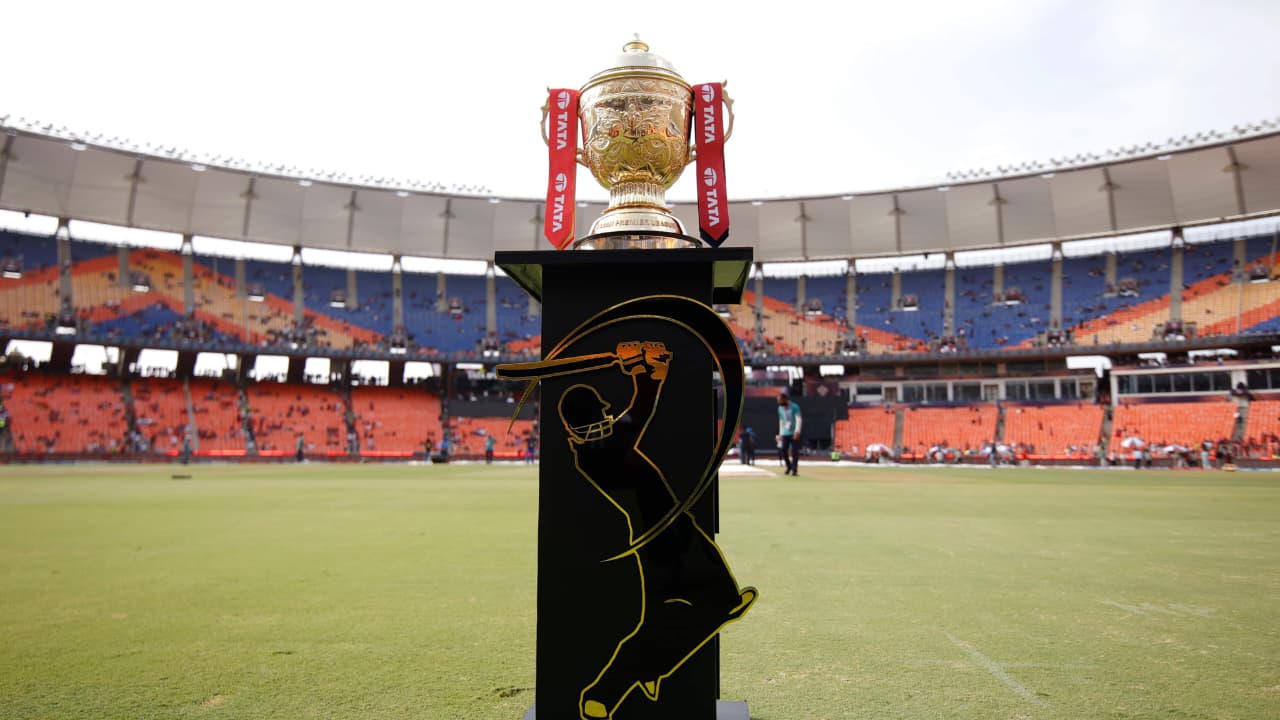
The Indian Premier League was founded in 2007 when Lalit Modi who held the position of Vice-President in the Board of Control for Cricket in India established a T20 league with financial backing from N. Srinivasan and Sharad Pawar who aimed to develop a city-based franchise system that followed international sports models. The IPL started its operations in 2008 and gained rapid popularity through its strong marketing efforts and its worldwide player base and television contracts. The league experienced its current growth through the performances of MS Dhoni, Virat Kohli and Rohit Sharma, who generated fan loyalty for their respective teams. In the last 18 years, the IPL has come to a great stage due to the competitive success and leadership by the players. The IPL developed into an excellence-based platform which showcased talent and creativity while promoting national pride. The IPL has become the most powerful T20 ecosystem in the world by 2026. And now, with the expansion to 10 teams, it has reached a billion-dollar team valuation and achieved worldwide popularity.
IPL: The Ultimate Launchpad for Gen Z Cricketers
The Indian Premier League has become the primary platform which enables Gen Z cricketers to achieve success through its combination of professional chances and public exposure and elite training facilities. The IPL allows young players between 16 and 22 years old to compete against top international professionals who show their skills in front of global audiences. Yashasvi Jaiswal and Rinku Singh and Abhishek Sharma and Vaibhav Suryavanshi represent this trend which allows players to join the Indian national team through their IPL showings. Vaibhav Suryavanshi has also delivered an exceptional showing at the under 19 World Cup.
Gen Z Power in IPL 2026: Team-wise Youth Surge
Mumbai Indians (MI) Player in Focus: Tilak Verma Gen Z Core: 13 players
Chennai Super Kings (CSK) Player in Focus: Ayush Mhatre Gen Z Core: 14 players
Royal Challengers Bengaluru (RCB) Player in Focus: Suyash Sharma Gen Z Core: 11 players
Kolkata Knight Riders (KKR) Player in Focus: Angkrish Raghuvanshi Gen Z Core: 15 players
Rajasthan Royals (RR) Player in Focus: Vaibhav Suryavanshi Gen Z Core: 15 players
Delhi Capitals (DC) Player in Focus: Vipraj Nigam Gen Z Core: 10 players
Sunrisers Hyderabad (SRH) Player in Focus: Abhishek Sharma Gen Z Core: 17 players
Lucknow Super Giants (LSG) Player in Focus: Mayank Yadav Gen Z Core: 16 players
Gujarat Titans (GT) Player in Focus: Sai Sudharsan Gen Z Core: 12 players
Punjab Kings (PBKS) Player in Focus: Priyansh Arya Gen Z Core: 16 players
Sunrisers Hyderabad is among the youngest teams in IPL 2026, boasting a low average squad age of 27.0 yrs. Delhi is the oldest With an average squad age of 28.76 years.
The Downside of the IPL
The Indian Premier League operates as the strongest T20 league but has serious problems which threaten the future viability of cricket. The fixed competition schedule creates international cricketing conflicts because players must choose between national team obligations and their franchise responsibilities. The league establishes extensive commercial operations which divert attention from actual cricket activities and result in financial production, while its demanding match schedule increases player capacity to perform, which causes athlete injuries and mental exhaustion. The rise of T20 cricket now dominates cricketing trends because young players dedicate their training to mastering short-format gameplay, which has led to the decline of Test cricket and all other traditional cricketing formats. Domestic players face inconsistent playing time because multiple players stay inactive on the bench while Gen Z cricketers experience mental health issues from extreme pressure combined with social media attention and sudden popularity. The impact of the player rule has created dissatisfaction among players, including Shubman Gill, Akshar Patel and Rohit Sharma. The allrounder capabilities of players have experienced restrictions because of that which they mentioned. The IPL Governing Council maintained the existing rule through September 2024 while they planned to maintain it until 2027. The league will conduct its official evaluation process after it completes the 20th season. The past spot-fixing scandal demonstrates how corruption and integrity issues create risks for the sport which requires stakeholders to establish a balance between growth and sustainable development.
Conclusion: IPL as India’s Cricketing Engine The Indian Premier League functions as the main driving force behind Indian cricket. The 2026 IPL season represents more than an ordinary season because it serves as a declaration of intent. The league has achieved its third stage of development through its all-Indian captaincy system and its commitment to national objectives and Olympic goals and its record-breaking team valuations. IPL has developed into a billion-dollar sporting empire which serves as the main support system for Indian cricket to achieve worldwide success. Season 19 doesn’t just begin a tournament—it ushers in a new era.
Members Discussion