Lifestyle

Post-Christmas Pressure: Why This Week Feels Unsettling
The days between Christmas and New Year don't behave like the rest of the calendar. Offices slow down, inboxes thin out, and routines loosen. Yet instead of feeling restful, this week often feels oddly unsettled. Too quiet to be festive and too loaded to be ignored.
It's the stretch where indulgence meets anticipation. Christmas is done, New Year plans hover, and many people feel an unspoken pressure to use the time well. The result is a familiar mix of restlessness, comparison, and low-grade anxiety about what comes next.
This is not a week that needs fixing. But it is one that's easy to mishandle.
Things Not to Do Between Christmas and New Year
Don't Over-Schedule the in-Between Days
One common response to the post-Christmas lull is to start filling the calendar aggressively. Brunches replace office hours, errands creep into afternoons, and evenings are booked simply because they're available.
The problem isn't activity, it's compression. When every open slot is claimed, the week loses its softness and starts to feel rushed again. This stretch of days is transitioned by nature. Leaving some time deliberately unassigned allows the week to unfold rather than collapse under expectation.
Don't Let Social Media Set the Tone of Your Holidays
Between December 26 and 31, social media fills with travel reels, house parties, year-end summaries, and early New Year resolutions. Even casual scrolling begins to carry an implication: this is how the week should look.
What's missing, of course, is the context. A single post doesn't show the fatigue behind a trip or the chaos behind a celebration. But during a slower week, repeated exposure can quietly amplify comparison.
This isn't about quitting social media altogether. It's about recognising when passive scrolling starts shaping your mood more than your actual experiences.
Don't Start Big Fixes Before the Year Ends
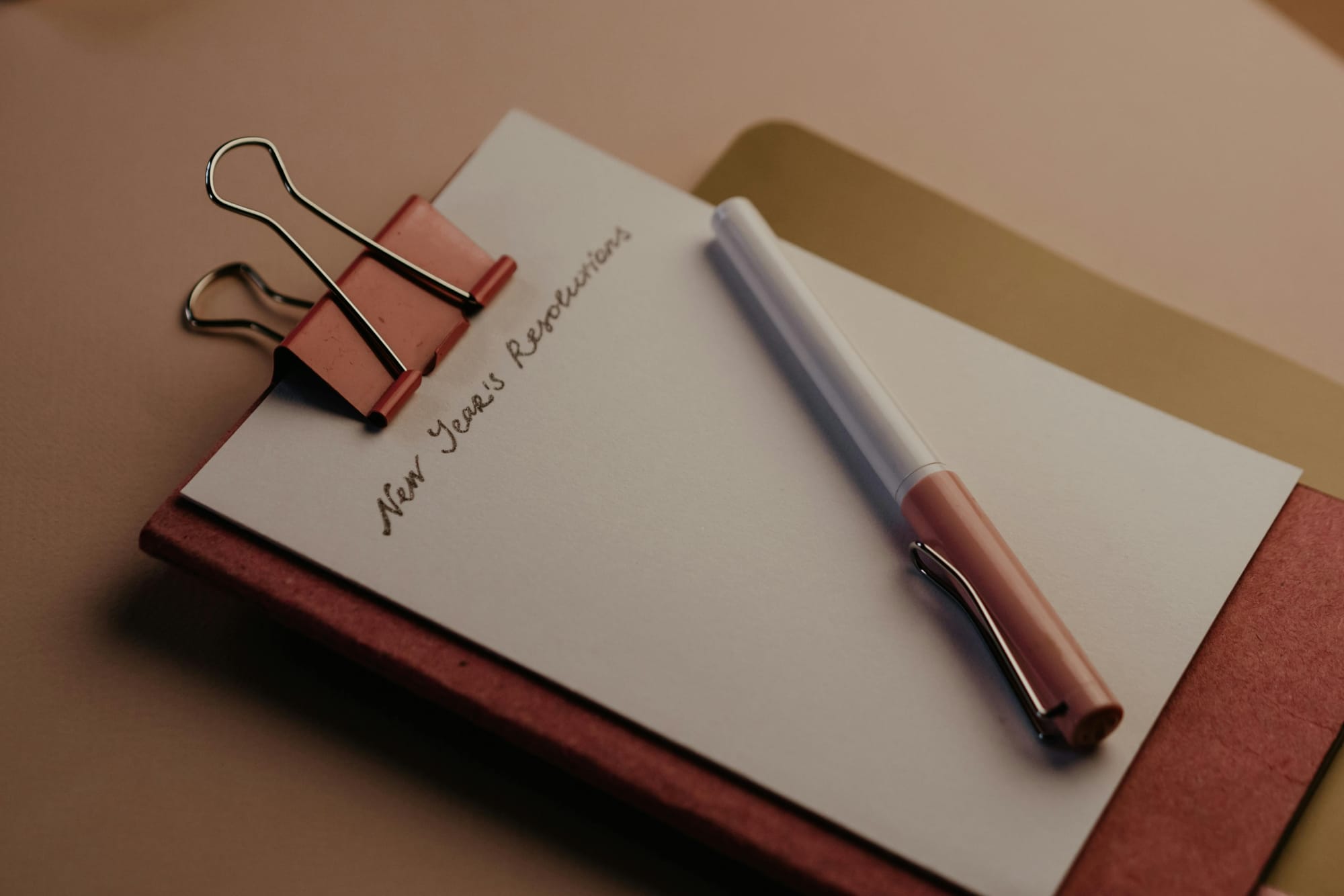
There's a temptation to treat the week before New Year begins as a head start on January. People attempt diet resets, career planning, home reorganisation, or ambitious personal goals, assuming the free time will support the momentum.
In reality, this is one of the least stable weeks to begin anything demanding. Attention is fragmented, motivation fluctuates, and the calendar itself is against you. When these efforts stall, they leave behind a sense of incompletion that quietly follows you into the New Year.
This weeks works better as a pause than a launchpad.
Don't Mistake Restlessness for Failure
Restlessness is common in the days after Christmas, especially once the social intensity fades. The mistake is assuming it signals something wrong, the boredom must be filled or quiet must be corrected.
Often, it's simply the body and mind adjusting to a slowdown and transition into new year. Trying to eliminate that feeling through constant plans, purchases, or distraction usually intensifies it instead.
Light structure helps more than stimulation. A stroll in the evening, regular meals, or a familiar afternoon or night ritual before dinner can steady the week without turning it into another task list.
Don't Let Sales and Splurges Decide Your Spending
Post-Christmas and New Year sales thrive on urgency. Discounts create illusion that now is the moment to buy, clothes for a "new" self, gadgets for a more organised year.
But this week already blurs impulse and intention. Purchases made in that mindset often feel less satisfying once January begins and the routine returns.
Pausing spending decisions until the new year isn't restraint, it's clarity. If something still feels necessary later, it will wait.
Don't Turn New Year's Eve Into a Test
As December 31 approaches, expectations rise. Where to go, who to be with, how the night should feel, planning can become more about avoiding regret than enjoying the moment.
The truth is that New Year's Eve rarely delivers transformation. Over-engineering it often creates stress that spills into next day. Plans that match your actual energy- whether quiet or social- tend to carry forward better than ones driven by obligation.
Use the Week to Transition, Not Transform
This is not the week to optimise your life. It's the week to let one year loosen its grip before the next begins.
Small acts work better than grand plans: finishing a book you've been reading slowly, cooking something familiar, and- whether staying in or stepping out- choosing the company of a few loved ones who uplift your spirits instead of forcing yourself into grand New Year parties will help you recharge more meaningfully.
The week between Christmas and New Year isn't empty time. It's a threshold. You don't need to conquer it or fill it perfectly. You just need to move through it with enough space to arrive on the other side rested, not rushed.
Members Discussion