National Politics
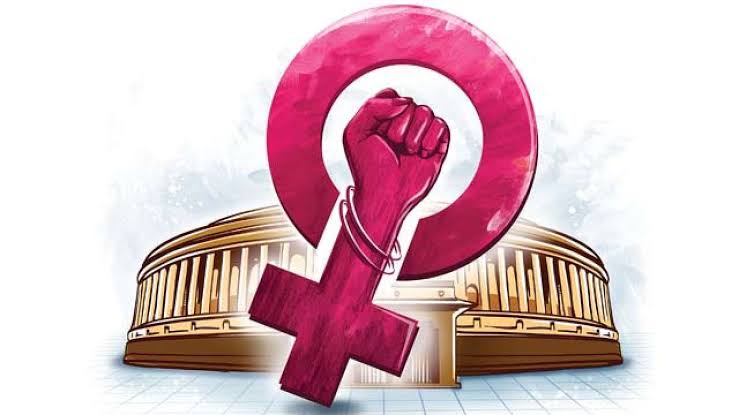
The Women's Reservation bill fell short of votes, but here's everything you need to know about it.
In the middle of an election season, the government convened a special three-day session of Parliament, triggering 21 hours of intense debate over the long-pending Women’s Reservation Bill an idea that has lingered in India’s political system for nearly four decades. The proposed legislation seeks to reserve 33% of seats for women in the Lok Sabha and State Assemblies, a move that could push India above the global average of 27% women’s representation. Yet despite the political build-up and earlier passage of the Constitution 106th Amendment Act in September 2023, the current legislative push, popularly referred to in political discourse as a renewed attempt, has run into serious resistance. For the first time in 12 years, the Modi government has struggled to secure the required special majority, managing 298 votes in favour against 230, falling short of the 362 needed in a House of 543. With implementation tied to the Census and Delimitation and opposition questioning both timing and intent, the bill has become as much a political contest as a policy reform.
आज लोकसभा में बहुत अजीब दृश्य दिखा।
— Amit Shah (@AmitShah) April 17, 2026
नारी शक्ति वंदन अधिनियम के लिए जरूरी संविधान संशोधन बिल को कांग्रेस, TMC, DMK और समाजवादी पार्टी ने पारित नहीं होने दिया। महिलाओं को 33% आरक्षण देने के बिल को गिरा देना, उसका उत्साह मनाना और जयनाद करना सचमुच निंदनीय और कल्पना से परे है।
अब…
What is the Women’s Reservation Bill The Constitution 106th Amendment Act, which became law through the Women's Reservation Bill, establishes a requirement for one-third of Lok Sabha seats and all State Legislative Assembly seats to be reserved for women. The legislation establishes additional quotas that apply to current SC and ST reserved seats. The reform exists as a longstanding movement. Since the 1990s, multiple governments have attempted to pass similar legislation, but disagreements over structure, sub-quotas, and political implications have repeatedly stalled its journey.
Parliament is discussing a historic legislation that paves the way for women’s reservation in legislative bodies. The discussions, which began yesterday, lasted till around 1 AM and have continued since the House proceedings began this morning.
— Narendra Modi (@narendramodi) April 17, 2026
The Government has addressed all…
The Three-Bill Framework Explained Clearly
A key element often misunderstood in public discourse is the so-called “three-bill strategy” of the government. In reality, only one bill was formally introduced, while two other processes are structurally linked to its implementation.
- First, the Constitution 106th Amendment Act, 2023 (Nari Shakti Vandan Adhiniyam)
This is the main legislation providing 33% reservation for women in Parliament and State Assemblies.
- Second, The Census Framework
The implementation of the reservation depends on updated population data, which will come from the next Census expected around 2027. Without this, the seat allocation cannot be recalibrated.
- Third, The Delimitation Exercise
Delimitation will redraw constituency boundaries and determine which seats will be reserved for women. This is essential for operationalising the law.
These three are politically described as interconnected, but importantly, only the first is a constitutional amendment bill. The other two are institutional processes, and their linkage has become the core of the political controversy.
Timing and Political Optics The timing of the bill during ongoing elections and through a special session has raised eyebrows. Currently, in many states, the elections are ongoing. The ruling party called a special 3-day session for this, but just last month, there was a budget session; this Bill did not come up for discussion. Opposition parties argue that the move is aimed at electoral gains rather than immediate reform.
The Prime Minister, in a strategic political gesture, stated that he is willing to give full credit to the opposition if the bill passes, even offering symbolic gestures like highlighting their role publicly. At the same time, he acknowledged that even failure to pass the bill could politically benefit the ruling party by reinforcing its pro-women image.
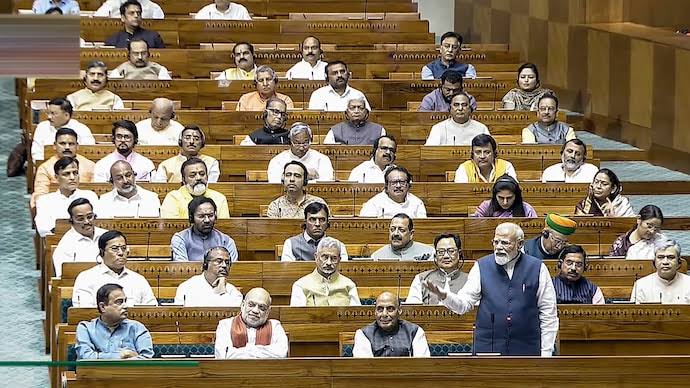
The Census and Delimitation Debate The government’s decision to link implementation to the Census and Delimitation has drawn the sharpest criticism. Since the last Census was conducted in 2011, opposition parties question why existing data cannot be used. By tying the bill to a future Census and delimitation exercise, the implementation is effectively pushed to the 2029 general elections. Critics see this as a deliberate delay, while the government argues it is a constitutional necessity.
Opposition’s Stand and Demands
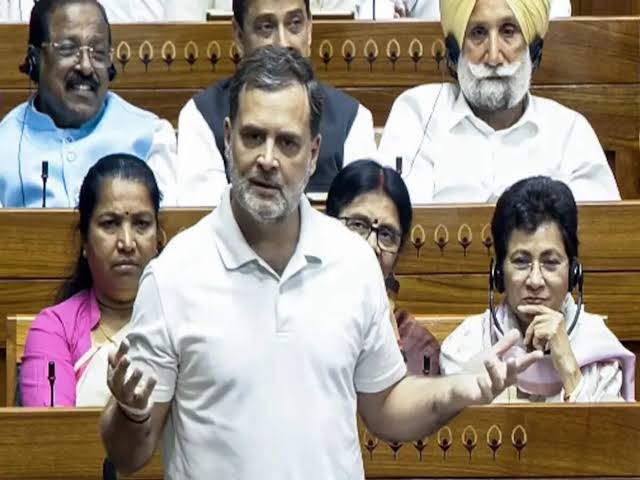
Several opposition parties, including the Samajwadi Party and Congress have strongly opposed the bill in its present form. Their demands include:
- Reservation for OBC women within the 33% quota
- Immediate implementation without waiting for Census
- Greater clarity on execution
They argue that without sub-quotas, the benefits may go largely to women from privileged or politically connected backgrounds.
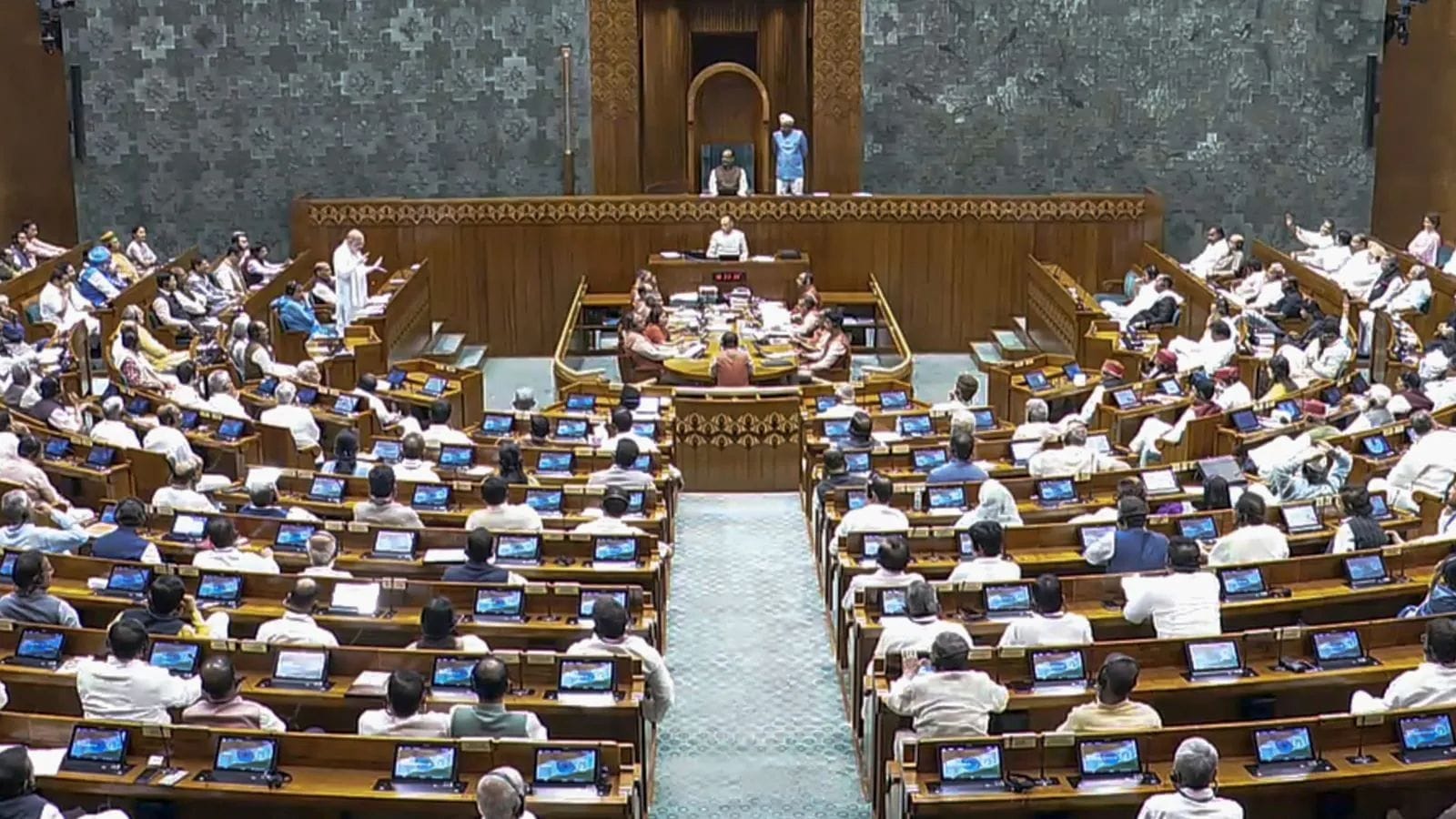
The Home Minister has also clarified that no reservation will be provided based on religion, further shaping the contours of the debate. Legislative Hurdles and Numbers A constitutional amendment requires a special majority of two-thirds of members present and voting, along with a majority of the total strength of the House. It must be passed separately by both Houses with no provision for a joint session.
In the Lok Sabha out of 543 members at least 362 votes are required. Despite having 298 votes in favour the government fell short marking a rare legislative challenge in recent years.
Women’s Representation: A Decade of Gradual Growth Women’s participation in Parliament has steadily increased but remains below potential: 2009: 59 women (10.9%) 2014: 62 women (11.4%) 2019: 78 women (14.4%)
2024: 74 women (13.6%) While the upward trend is visible it is still far from parity. With a global average of around 27%. A 33% quota would not only bridge this gap but place India ahead globally.
Lessons from Panchayati Raj
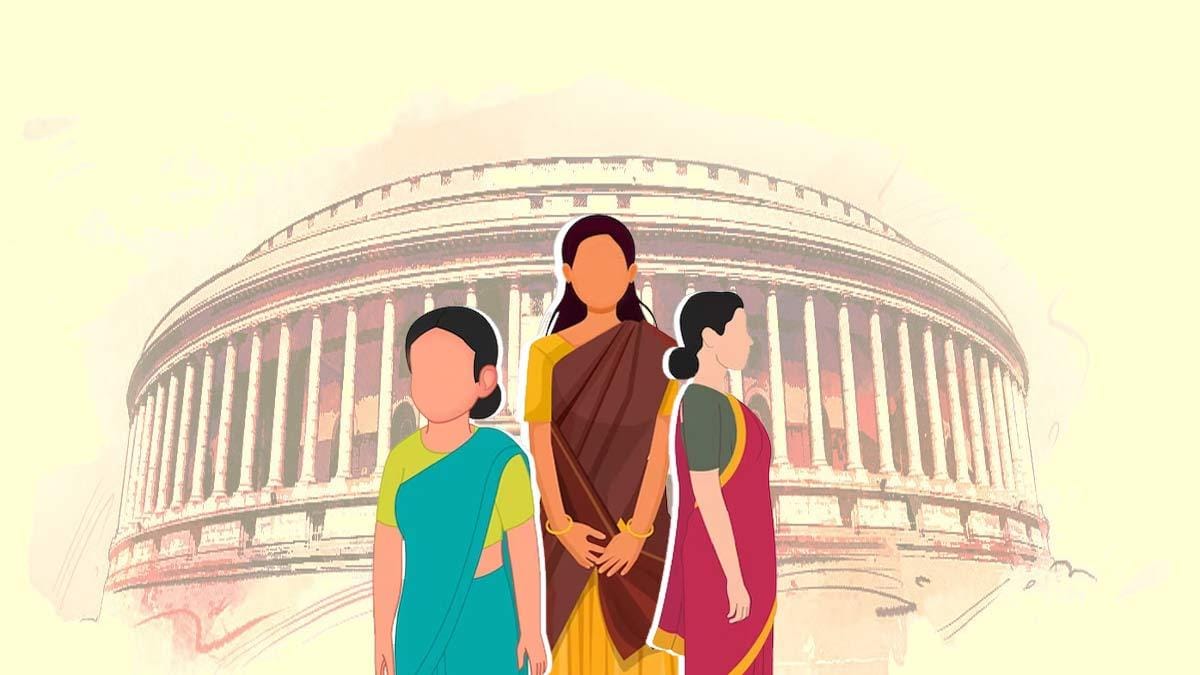
The success of the 73rd Constitutional Amendment Act, which introduced 33% reservation for women in Panchayati Raj institutions, offers a strong precedent. In many states, this has been increased to 50%, leading to greater grassroots participation and leadership. This model shows that reservation, when implemented effectively, can bring meaningful social change. Structural Challenges Beyond the Bill However, legislation alone cannot ensure empowerment. Structural issues persist:
- Political parties often hesitate to field women candidates
- Dynastic politics dominate ticket distribution
- Financial and social barriers limit access for ordinary women Without internal reforms within political parties, reservation risks becoming symbolic rather than transformative.
Opportunities and Challenges The bill offers a historic opportunity to reshape India’s political landscape but it also comes with challenges.
- Opportunities include greater inclusivity improved policy perspectives and enhanced global standing.
- Challenges include delayed implementation risk of elite capture and continued political polarization.
Way Forward The government must revisit the bill with a focus on consensus-building. Addressing opposition concerns especially around sub-quotas and timelines will be critical. At the same time political parties must undertake internal reforms to ensure that women from diverse backgrounds get fair opportunities. The Women’s Reservation Bill is not just a piece of legislation it is a test of India’s democratic maturity. While its intent is widely supported its execution remains uncertain. Delaying implementation risks turning a historic reform into a political talking point. The real challenge lies not in passing the bill but in ensuring that it translates into genuine empowerment. India has waited 40 years for this moment. It cannot afford to wait much longer. All the parties should think about this and come together to pass this ahead of party line.
Members Discussion