Energy is essential for the sustenance of any civilization. From domestic needs to industrial applications, the world cannot function without it. This crucial need has become a bargaining chip and leverage in modern warfare.
The Iran-Israel conflict exemplifies how energy sources are targeted to weaken the enemy. Such attacks directly correlate with price hikes in petrol, diesel, and LPG, which are crucial for domestic and industrial use.
Why has energy become a battlefield?
Both Israel and Iran are using energy sources as a battlefield. Israel's strategic strike on the South Pars Gas Field aimed to make Iran vulnerable. The South Pars Gas Field accounts for 80% of Iran’s domestic gas supply and is the world's largest gas reserve.
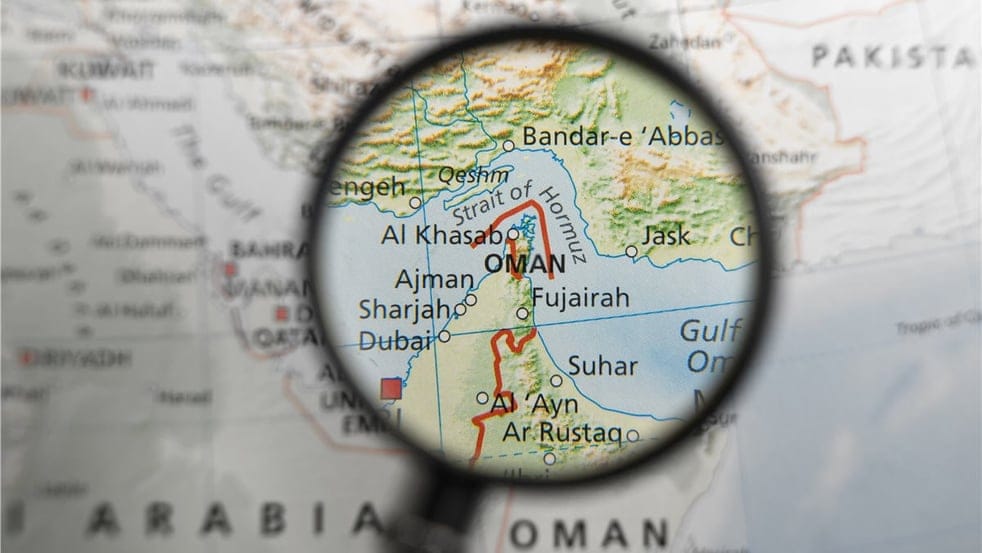
In response, Iran has threatened to block the Strait of Hormuz, the artery of global energy, through which approximately one-fifth of the world's oil passes daily. A partial blockade of the event will result in one of the world's largest energy crises. Iran recognises this vulnerablity, hence, it is using it as a leverage.
Iran's Tactic's
In reality, Iran does not need to "win" militarily. Iran knows that the Strait of Hormuz chokepoint is central to the conflict, as ~25% of global seaborne oil trade passes through Hormuz. And the International Energy Agency states that around 20% of the global oil supply and LNG trade depends on it. The US Energy Information Administration has clearly mentioned in it's report how countries like India, China, Japan, and South Korea depend almost entirely on oil and gas imports that pass through the Strait of Hormuz. Iran can directly target this chokepoint by threatening supply, raising prices, and destabilizing economies.
Countries like India and China have become the major victims of this strategic targeting. Oil prices have increased, and the people of the country have started questioning the authorities. As more countries adopt this method of "energy warfare," global markets will become more unstable. However, it also depends upon the geography of certain countries and the nature of the conflict.
Share this article
The link has been copied!
Members Discussion
Your link has expired. Please request a new one.
Your link has expired. Please request a new one.
Your link has expired. Please request a new one.
Great! You've successfully signed up.
Great! You've successfully signed up.
Welcome back! You've successfully signed in.
Success! You now have access to additional content.
What’s Coming Next?
Explore our upcoming features, author interviews, and deep-dives into new policy reforms.