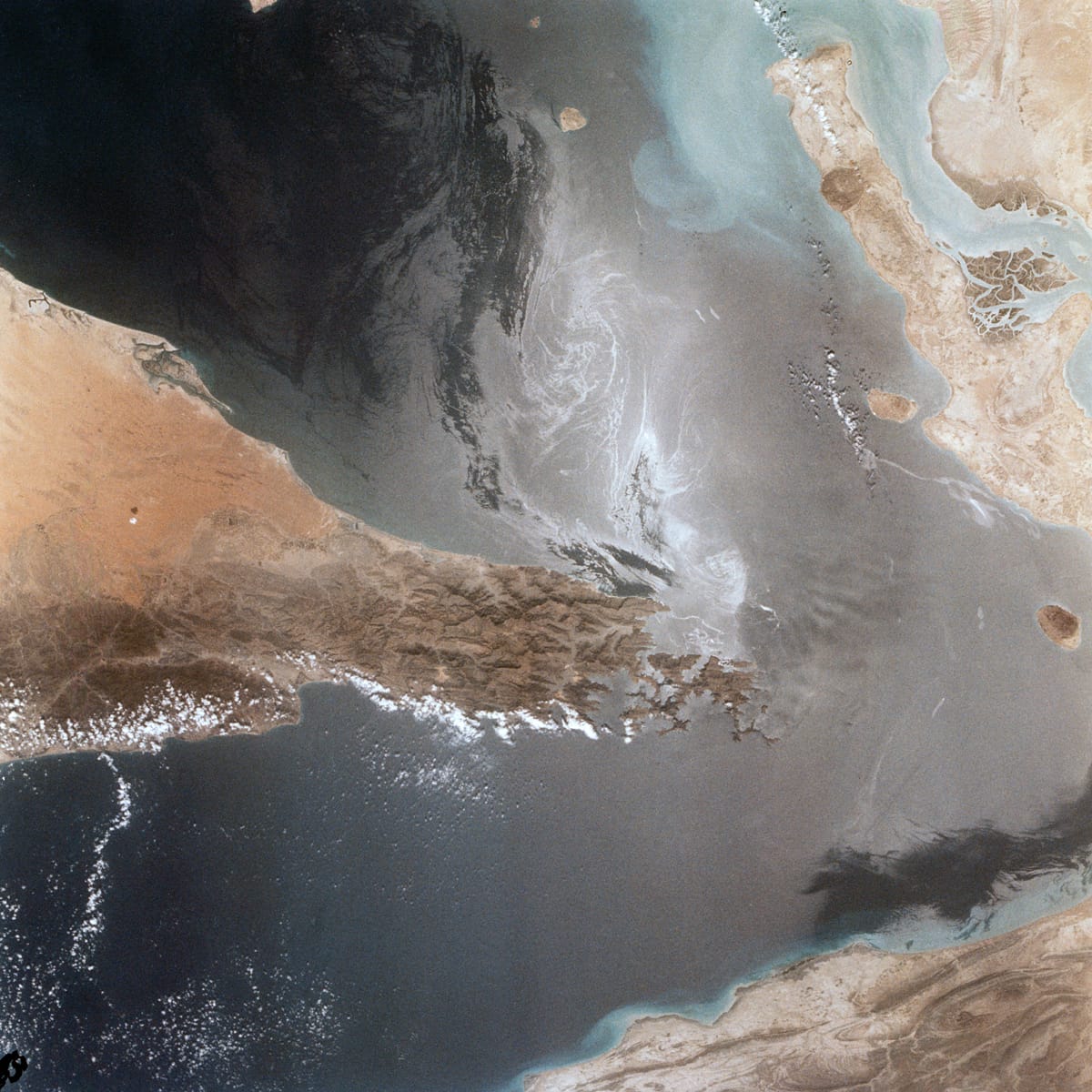
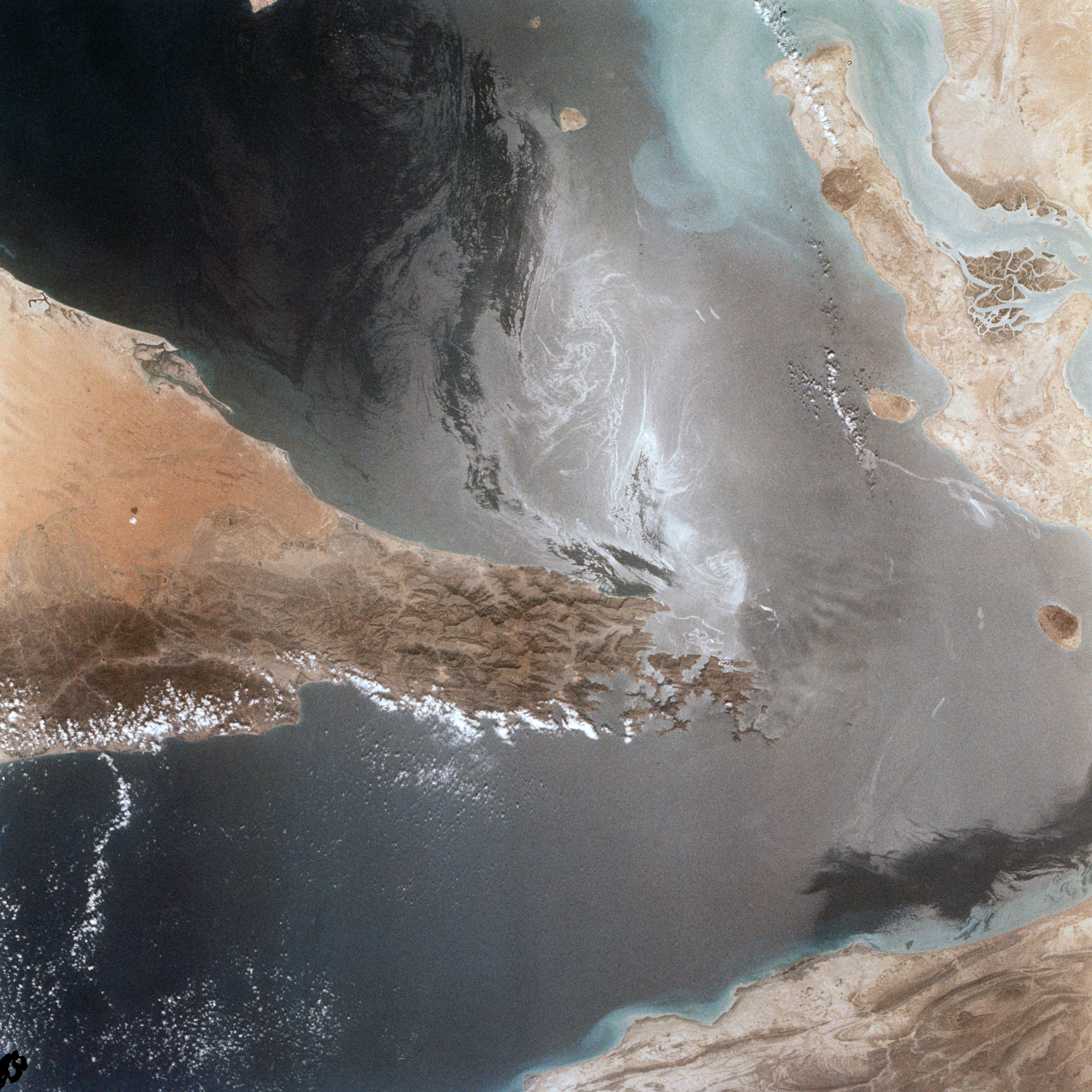
"Targeting Commercial Ships Cannot be Accepted", New Delhi's Message Amidst Hormuz Blockade
India condemns attacks on commercial ships in the Strait of Hormuz amid the Iran-US war, calls for diplomacy, and deploys warships to ensure safe passage as global oil prices spike.
In a situation where there has been a spike in oil prices due to a global energy crisis caused by a war between Iran and the US in the Middle East region, India has condemned the targeting of commercial shipping in the Strait of Hormuz and has called for a de-escalation through dialogue and diplomacy.
While speaking at the 36th extraordinary session of the Council of the IMO in London, Indian envoy Vikram Doraiswamy emphasised freedom of navigation in international waters along with the safety of all seafarers. It has been facing disruptions since the start of the ongoing war between Iran and the US.
The price of oil has risen dramatically all over the world, and this has become a huge concern for all nations, especially India. "Attacking civilian maritime infrastructure and commercial vessels is unacceptable; oftentimes these attacks are fatal and cause injury, and increase the risk to those who work onboard the ships. India is the third-largest supplier of seafarers, with approximately 13% of all seafarers worldwide coming from the country. Doraiswamy, the Indian High Commissioner to the UK, said, as quoted by news agency ANI.
Indian ships stuck at sea
Though many of the Indian ships have been cleared for passage, many of them are still stranded at this chokepoint in the Persian Gulf. As per the Bloomberg report, 22 Indian ships are stranded in the Persian Gulf. These ships include six LPG carriers, one liquefied natural gas carrier, and four oil carriers. However, a few of the fuel carriers have sailed to India under their watchful eyes. India is deploying more warships to the Gulf of Oman for their safe passage.
India expects Iran to facilitate the safe passage of ships amidst the ongoing conflict. But it was clarified by the external affairs minister S Jaishankar that there was no “blanket arrangement” for the safe passage of ships. Iran had gained “nothing” in return. Iran has reiterated that the main passage is open for all, except for American and Israeli ships.
Oil crisis to escalate?
USS Dwight D. Eisenhower (CVN-69) in the Strait of Hormuz 26 November 2023 | Credit: Anonymous United States Navy photographer, Public domain, via Wikimedia Commons
The blockade of the Strait of Hormuz is no longer the only point of concern in the global energy sector. The increasing tensions in the region, as indicated by the strikes of the USA and Israel on Iran’s key energy infrastructure and the retaliatory strikes of Iran on the oil and gas infrastructure in the Middle East region, have further intensified the fear of a long-term and expanding crisis.
Recently, the South Pars Gas Field, which is a part of the world’s largest gas field, has been a target of Israel, which serves as a major source of energy in Iran. The Iranian missiles, in retaliation, hit the LNG plant in the Ras Laffan Industrial City located in northern Qatar. In addition, the countries in the Gulf area, including the UAE, Kuwait, Bahrain, and Saudi Arabia, often report cases of intercepted missiles as Iran targets the Middle East area.
Share this article
The link has been copied!
Members Discussion
Your link has expired. Please request a new one.
Your link has expired. Please request a new one.
Your link has expired. Please request a new one.
Great! You've successfully signed up.
Great! You've successfully signed up.
Welcome back! You've successfully signed in.
Success! You now have access to additional content.
What’s Coming Next?
Explore our upcoming features, author interviews, and deep-dives into new policy reforms.