France Braces for Another Protest Saturday as 70,000 Officers Take to the Streets
France deploys 70,000 officers for Saturday's protests after last weekend's riots. Museums close, some marches are banned, and unions plan more action on November 5.

France deploys 70,000 officers for Saturday's protests after last weekend's riots. Museums close, some marches are banned, and unions plan more action on November 5.
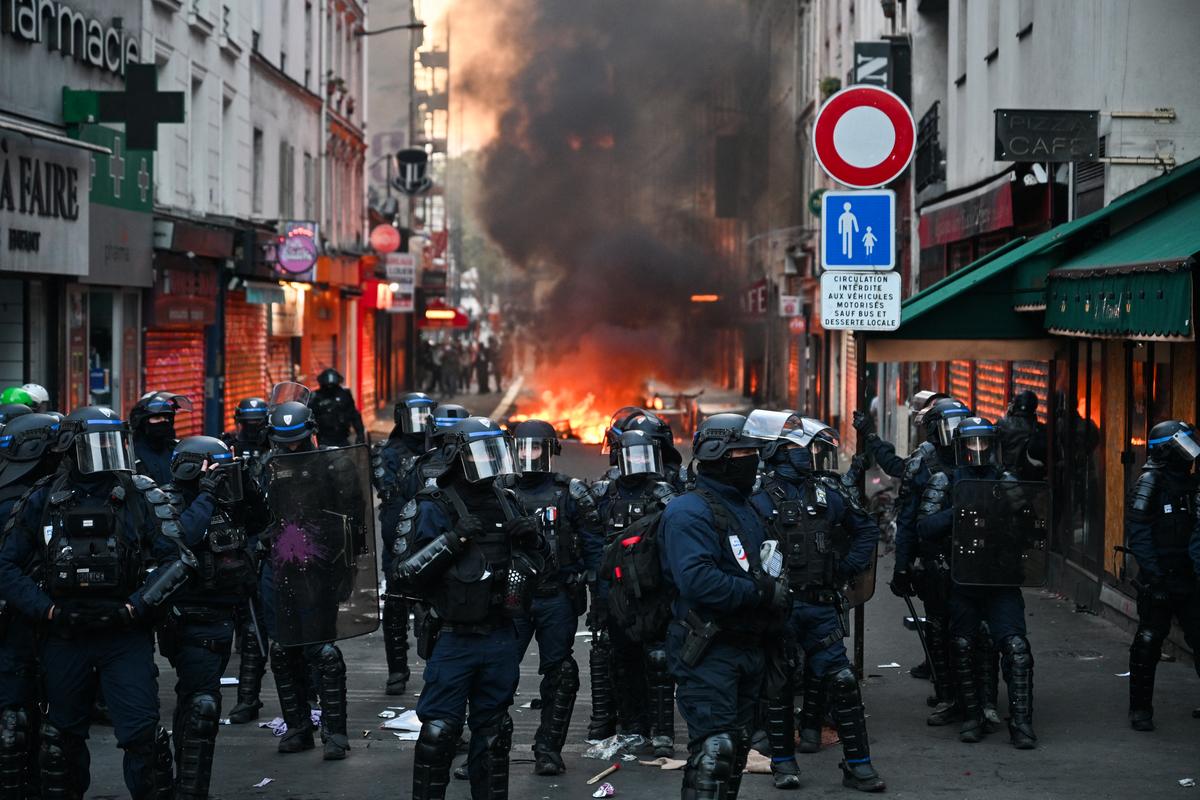
A week after the worst street violence France has seen in years, the country is bracing for a second big day of demonstrations. The government has promised a far heavier security presence this time, and people who run shops and museums are bracing for whatever comes.
Interior Minister Laurent Nuñez said about 70,000 police officers and gendarmes will be deployed on Saturday, roughly 20 per cent more than last weekend, backed by helicopters, armoured vehicles and water cannon. Officials admit that last week's police response was too static and failed to anticipate how fast groups of rioters could move. Nuñez said calls for violence and looting were again circulating online and promised a firm response.
Some protests have been banned, including in Lyon. Paris marchers will be limited to a route between Place de la Bastille and Place de la Nation, while Marseille will allow a single union-led march as an exception. The Louvre, Musée d'Orsay, the Picasso museum and the Grand Palais will stay shut, and Art Basel has cancelled its weekend programme after opening for one day.
The movement started on September 17 at a school in Créteil, a suburb southeast of Paris, where staff and students protested over vacant teaching posts and crumbling buildings. It soon grew into a nationwide protest against the rising cost of living and the government's spending plans. On October 17, the interior ministry counted 550,000 demonstrators, while the CGT union said nearly 800,000. Most marches were peaceful, but looting, arson and attacks on public buildings followed, including a fire that nearly destroyed Limoges city hall. AP reported at least 2,400 arrests that day, and Justice Minister Gérald Darmanin said courts have already jailed 217 people.
President Emmanuel Macron blamed radical far-left groups and looters, while the left says the government's handling has made matters worse. Human Rights Watch has raised concern about children hurt by crowd-control weapons. Unions are now looking to a day of action on November 5.
The unrest also has a political edge. Marine Le Pen's National Rally holds its congress in Orléans this weekend, with an anti-far-right march expected to draw 20,000 to 30,000 people, and a new poll puts her ahead for next spring's presidential election.
Also read- Macron Vows Crackdown after France Riots - Everything You Need to Know
Explore our upcoming features, author interviews, and deep-dives into new policy reforms.