National Politics
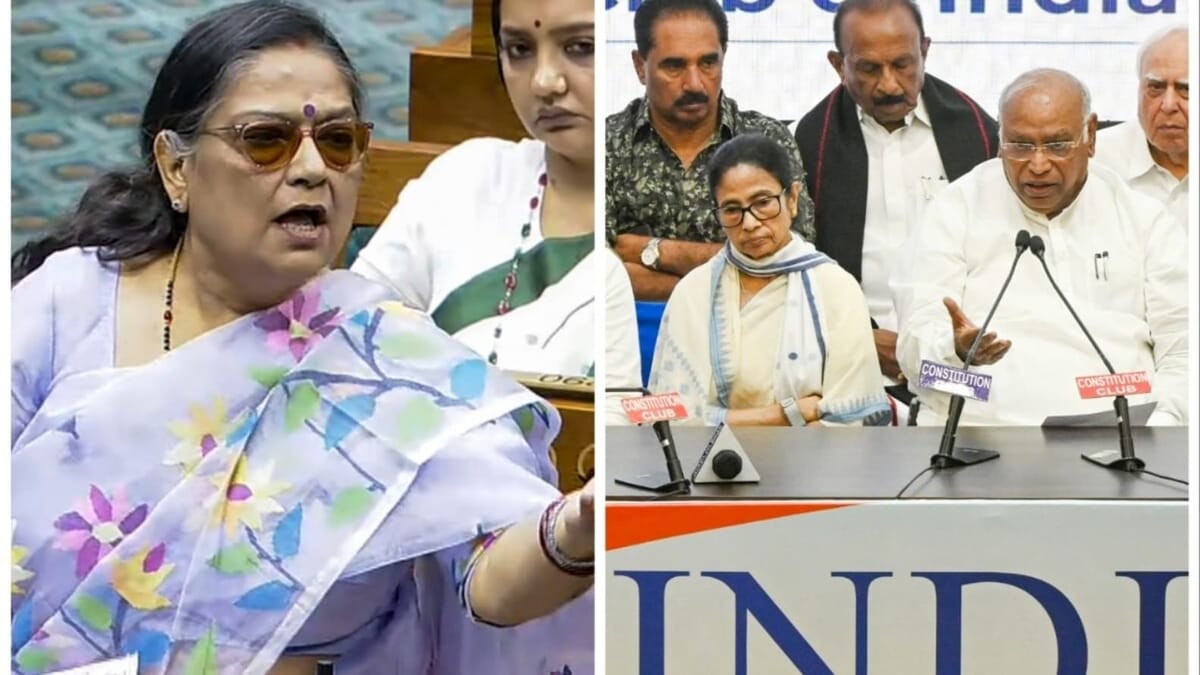

Rebellion in Bengal, unrest in Parliament, and a changing national political equation raise questions about the future of the Trinamool Congress

The Trinamool Congress (TMC) , which once looked like one of India’s most formidable regional political forces, is now dealing with what a lot of observers are calling its most serious internal tangle since it began. There are reports about a kind of revolt among MLAs in West Bengal, and alongside that, claims that a big cluster of Lok Sabha MPs wants to run as its own distinct bloc, one that would back the NDA. On top of all that, criticism aimed at the party leadership has been rising, and Mamata Banerjee’s more renewed push toward the INDIA alliance has really shifted the entire political atmosphere in just a handful of weeks. Even though the end result isn’t clear yet, these moves have sparked very heated arguments about what happens to the TMC next, what comes for Mamata Banerjee as leader, where Abhishek Banerjee fits in, and how the national balance of power might tilt overall.
A Crisis Unfolding , sort of on Two Fronts
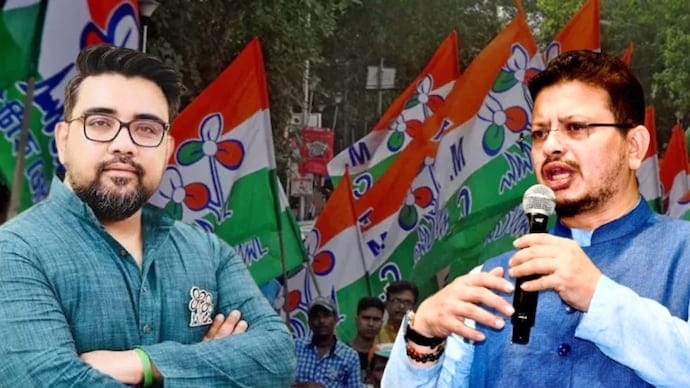

The political challenge facing TMC feels unusual, because it seems to be happening at the same time in West Bengal and in New Delhi too, but in different ways.
In the state assembly, reports say that a notable chunk of MLAs has quietly grown unhappy with the current leadership set up. This simmering rebellion drew more eyes when dissident legislators, reportedly supported a different leadership arrangement, and that in turn raised doubts about how united the party really is from inside.
The whole matter got more serious when a set of rebel MPs, headed by senior parliamentarian Kakoli Ghosh Dastidar, claimed that about 20 Lok Sabha MPs had sent letters to the Speaker asking for recognition as a separate parliamentary bloc while, at the same time extending support to the NDA. If those assertions hold up under political pressure and legal examination, they could end up being among the biggest parliamentary realignments in recent years.
Questions Around Leadership
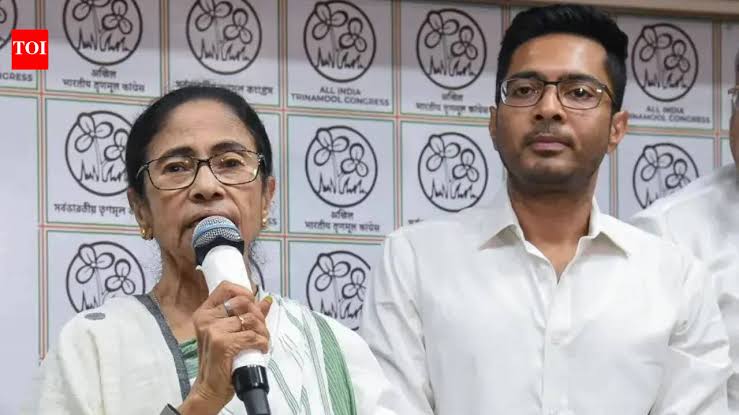

People and political analysts have long treated Mamata Banerjee’s personal leadership, like the main pillar of the TMC. For over two decades now, the party’s identity and its electoral wins have mostly been tied to her political charm, and the way she connects with voters
Yet the last few events kind of hint that some parts of the organization might want more inside participation, plus a more decentralized approach. A number of dissidents have come out publicly , and they’ve questioned how things are working now. They also pointed at wider worries around administration, joblessness, and the way decisions about the organization get made
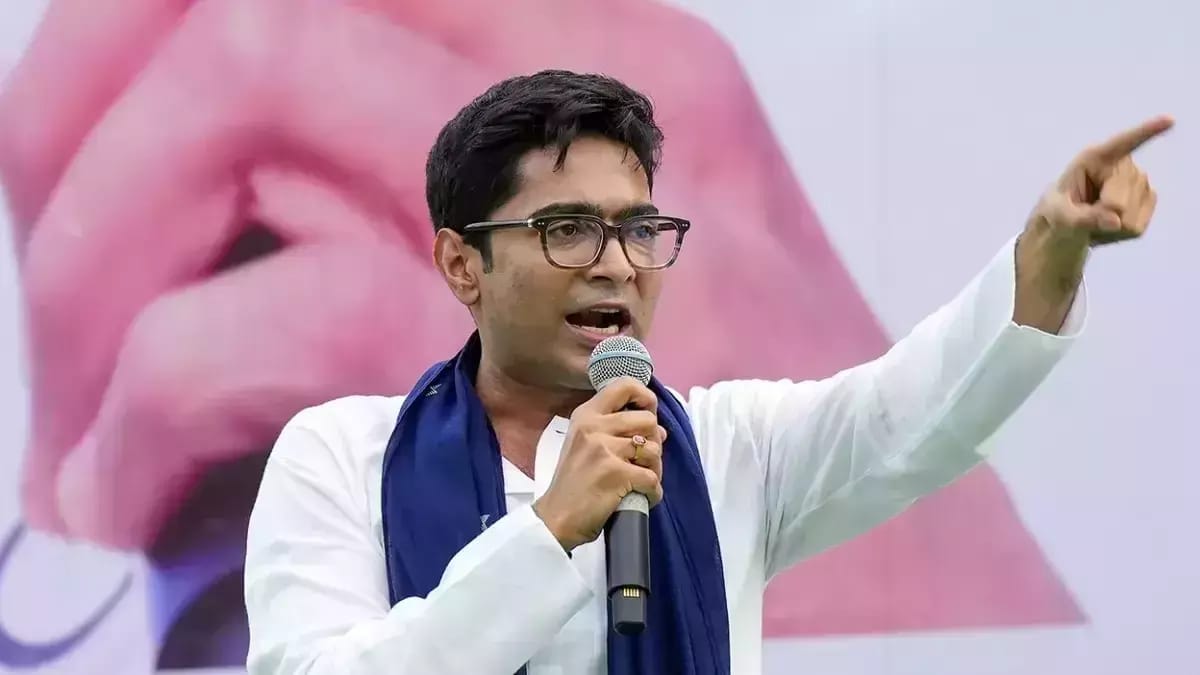

Meanwhile, Abhishek Banerjee who is often seen as the party’s next-in-line leader, has started to take up more space in internal political talks. His supporters describe him as the personification of generational change , while some critics inside the party insist that organizational reshaping is basically needed. The growing gap seems to mirror different ideas, almost like competing storylines about where the TMC should head next.
Mamata’s Return to Coalition Politics
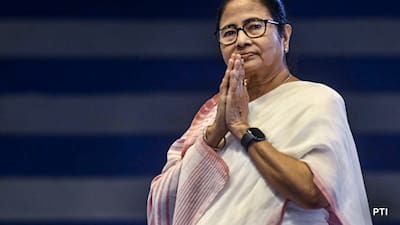

One of the more interesting bits in the middle of this current crisis is that it has been playing out, almost like it was happening in two lanes at once. On one side, there’s the ongoing political unrest, and on the other side, Mamata Banerjee is still showing up in Delhi, taking part in INDIA alliance discussions.
For years, she was seen as one of the most standalone opposition leaders, you know, the kind who usually goes for her own political design rather than waiting around for everyone else. But lately, things have looked different. Recent developments suggest she has been working more closely with opposition allies inside the INDIA bloc. Some observers have read this change as a kind of acknowledgment that coalition politics still matters a lot in the present national environment.
The contrast really was hard to miss. While opposition leaders gathered in Delhi to show togetherness, headlines were instead filled with talk about a rebellion inside the TMC, and it kept coming up, again and again.
What Does This Mean for BJP and NDA ?
If TMC is actually getting weakened in any real way, it will have a direct effect on national politics, like, pretty directly.
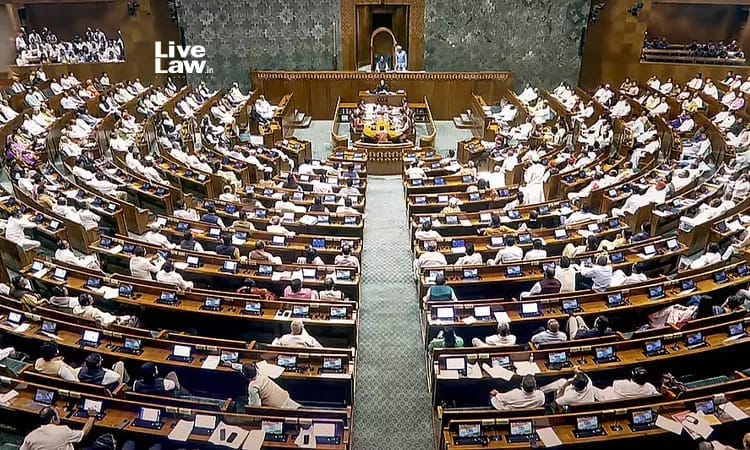

Now if even some of the reported parliamentary realignment ends up being true then the BJP-led NDA could end up strengthening its standing in Parliament. Several political observers think that if the NDA gains more parliamentary strength the government might push ahead with big legislative priorities and constitutional reforms more easily. Those reforms, they say, usually need broader political support, not just momentum.
Still , a number of political analysts warn that parliamentary arithmetic by itself is not the whole story. Constitutional amendments and major structural reforms normally need a wide, deliberate political consensus across parties and states, so numbers alone don’t automatically decide how much gets done.
The Road Ahead
In the coming weeks, it could be that the present crisis turns into some temporary rebellion, or it turns into a longer term restructuring of Bengal politics, like really.
TMC leadership will try to show that the party is still whole and electorally relevant, not some kind of broken coalition. The rebel faction will, in turn, look for legitimacy and organizational backing, even if it takes time. Legal questions touching on parliamentary recognition and the anti-defection provisions may also start to matter quite a bit, somehow.
For Mamata Banerjee, the hurdle isn’t only political survival, it’s more like organizational renewal, period. Rebuilding confidence among party workers, dealing with internal grievances, and putting forward a coherent vision for the future will be the key things to do.
Conclusion
Indian politics keeps showing ,again and again, that regional parties can sort of bounce back from big crises, if they hold onto solid grassroots support. But the current turmoil around the Trinamool Congress is different , not like any other challenge it has had in recent years. There is a rebellion inside the state unit, unease among MPs and sharp criticism of leadership, plus national alliances that are shifting in the background. Taken together it feels like a turning point for Mamata Banerjee and her party, in a way that is pretty defining.
Whether all this turns into the start of TMC’s decline or just becomes another chapter, inside its unsettled political road, will likely hinge on how well the party handles its largest internal trouble in nearly thirty years. For now, at least, one thing seems clear. Bengal politics has entered a phase of extraordinary uncertainty.
Members Discussion