Crime
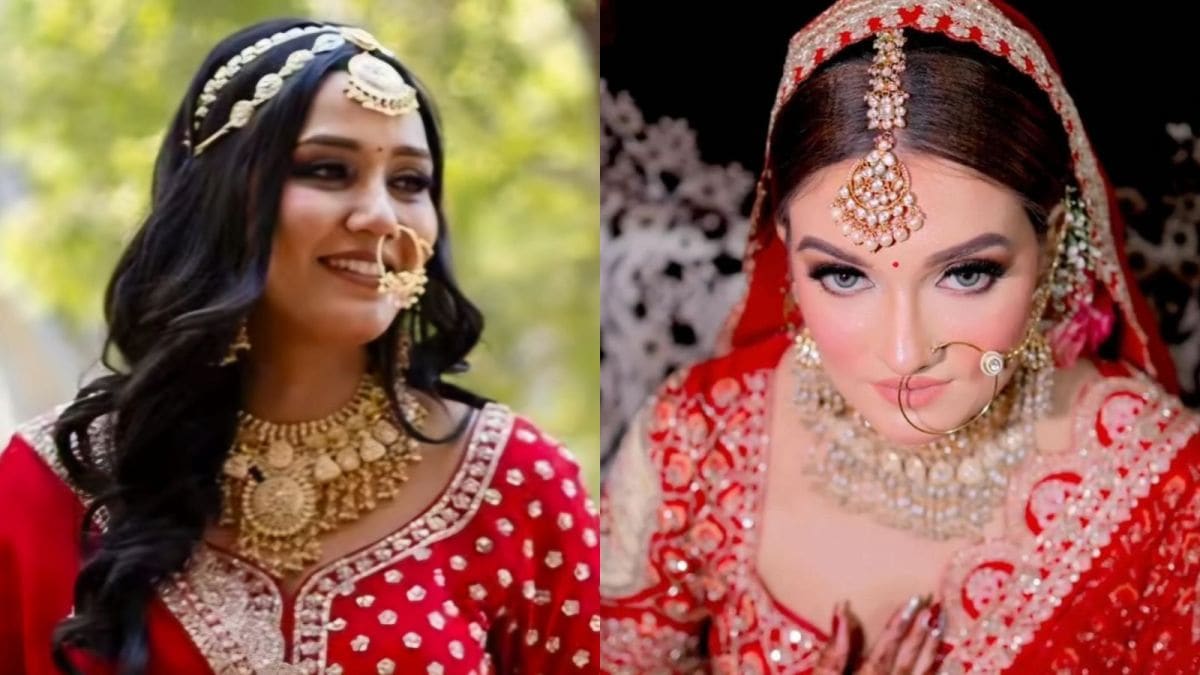

The tragic deaths of Deepika Nagar and Twisha Sharma have once again shaken the conscience of the nation, and they’ve reignited a fierce debate over India’s dowry system, women’s safety, and whether legal protection mechanisms are really working. In just a few days, social media campaigns, public anger and calls for justice swept across the country, while allegations of dowry harassment, mental torture and domestic abuse surfaced in both cases. Even though provisions like Section 498A of the IPC , the Dowry Prohibition Act and protections related to domestic violence were put in place to safeguard women, these repeated incidents keep showing the cracks—implementation gaps, delayed justice, and that uncomfortable silence in society.
At the same time, worries about the misuse of anti-dowry laws via false complaints have also intensified in recent years, so now everyone is stuck in a hard legal and social knot, where no one solution feels clean or simple. As India faces these painful truths yet again, legal experts, women’s groups and policymakers are increasingly saying that the moment has come not only for tougher enforcement but for a complete redesign, of matrimonial and dowry related laws. The Supreme Court has taken suo motu cognisance of the alleged dowry death of Twisha Sharma.
Two Deaths That Sparked National Outrage
The Deepika Nagar Case

Twenty-four year old Deepika Nagar died in suspicious circumstances in Greater Noida, barely 18 months after her marriage. As per police records and what her family alleged, she allegedly faced prolonged dowry harassment by her husband and in-laws. Her father said that even after spending nearly ₹1 crore on the wedding and on gifting things like jewellery, cash and an SUV, the demands still kept coming ₹50 lakh and a Fortuner vehicle.
The post-mortem report, made people furious after it pointed to severe injuries, including a ruptured spleen brain haematoma, internal bleeding and multiple bruises across her body. The National Commission for Women, NCW took suo motu cognisance too, and asked for a detailed report from Uttar Pradesh Police.
The Twisha Sharma Case


Twisha Sharma’s death at 33 triggered concerns just as heavy. She was found hanging at her marital home in Bhopal, just a few months after her marriage to advocate Samarth Singh. Twisha was a former model and actor from Noida, and her family accused her husband and in-laws also including a retired judicial officer of mental harassment as well as dowry related torture.
At first the post-mortem seemed to suggest suicide by hanging, but her family questioned the probe, and asked for a second autopsy. They said there were inconsistencies, and that there were injury marks on her body. Later on, the Madhya Pradesh High Court okayed a second post-mortem by an AIIMS medical team.
Then the story turned even more dramatic when Twisha’s husband was arrested, and the Bar Council of India suspended him from legal practice.
India’s Dowry Problem: A Crime Hidden Back Into Tradition
Despite decades of legal reforms, dowry still sits pretty much embedded in Indian society. What was once seen as a cultural practice has, in many places, slowly shifted into organised extortion, dressed up as marriage expectations and “family duty” and all that.

As per the National Crime Records Bureau (NCRB), India logs more than 6,000 dowry deaths each year , meaning almost 18 women lose their lives every day because of dowry related violence. Also, domestic cruelty cases under Section 498A continue to stay among the very highest crime categories against women.
Behind those numbers there are quiet accounts of emotional abuse, financial pressure, shame, and physical harm. Many women have to live through it after marriage, in ways most people never really notice or talk about.
Laws Meant to Protect Women
India has multiple legal safeguards that are meant to shelter married women from harassment , and all kinds of abuse. In practice they act as a kind of net, though enforcement can still feel uneven sometimes.
Key legal protections include :
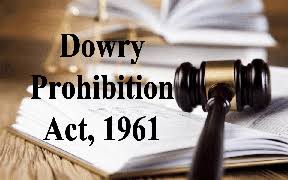

Dowry Prohibition Act, 1961 — criminalises both giving and taking dowry.
Section 498A of the IPC — punishes cruelty by husband or by relatives.
Section 304B of the IPC — addresses dowry deaths in a direct way.
Protection of Women from Domestic Violence Act, 2005 — offers civil protection, along with residence rights.
Section 113B of the Indian Evidence Act — lets courts infer or presume dowry death when circumstances look suspicious, within seven years of marriage.
All these rules were brought in so there is deterrence and so legal steps can be taken faster.
Where the System Is Failing
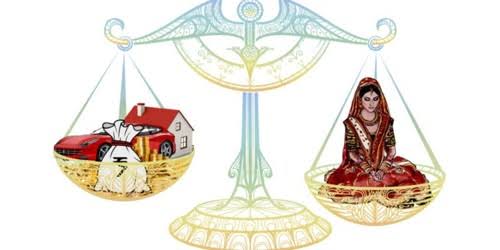

Even with strict provisions, conviction rates in dowry death cases stay low for reasons that feel kind of constant, delayed investigations, hostile witnesses, social pressure, and also weak evidence collection, usually all together not one at a time.
Major Loopholes Include:
Poor Investigation Standards
A lot of cases end up with evidence that has been messed with, FIRs that get filed late, and no real forensic professionalism, in other words everything becomes sloppy.
Social Pressure on Women
Women are frequently told to “adjust” in the marriage, instead of reporting abuse early, and it turns into this silent bargain where they’re expected to tolerate things.
Financial Dependence
Many victims remain stuck because they do not have economic independence, so leaving becomes nearly impossible.
Influence and Power Networks
In a number of high-profile matters, the claims of political or institutional influence can end up blunting the investigation, and the process slows down as well.
The Twisha Sharma case, in particular, raised serious questions about whether influential families can steer investigations in quiet ways.
The Debate Around Misuse of Dowry Laws
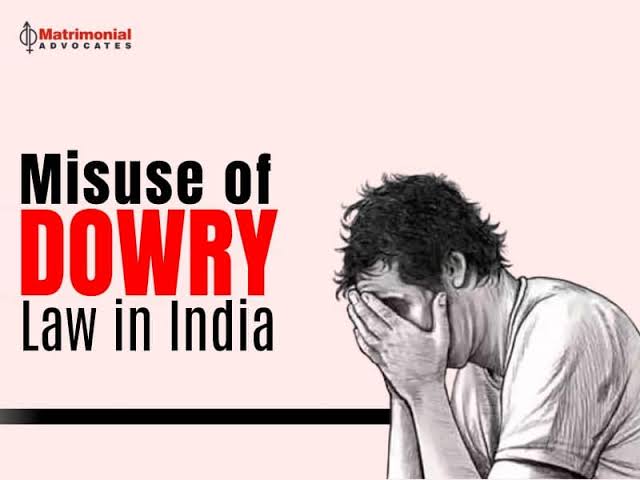

The whole debate around misuse of dowry laws kind of never really ends. At the same time courts and legal experts have repeatedly noted, that anti dowry laws can sometimes be leveraged in a wrong way through false, or simply overblown, complaints.
In a few Supreme Court decisions, judges have cautioned against automatic arrests in matrimonial disputes, and they also stressed the need for a more balanced , inquiry. Men’s rights groups then say that false cases can harm families, derail careers and tarnish reputations even before a trial ever begins.
Still, women’s rights activists caution that pushing the narrative of misuse should not weaken the gravity of actual dowry violence, which continues to take thousands of lives each year.
So the problem lawmakers face today is basically to find that middle path—protecting real victims, while also stopping legal provisions from being abused in the first place.
Why India Must Rethink, Matrimonial Laws
These recent cases ,they have once again shown something pretty clear that we should not keep patching everything with little fixes, we need a more legal rebuilding approach, not a piecemeal kind of tweaking, period
Key parts that should be reworked :
Fast-Track Matrimonial Crime Courts
Dowry death and domestic violence matters should go to dedicated courts, with trials that actually have a deadline feel to them.
Mandatory Financial Transparency
Pre marriage financial disclosures, along with digital record-keeping for gifts can cut down on later disagreements, and also remove a good bit of “who said what” situations.
Stronger Counselling, plus Crisis Intervention
Women seeing early signals of abuse should receive immediate legal help, and also psychological support ,right away.
Accountability for False Complaints
If someone deliberately tries to misuse these protections there should be consequences but only after proper judicial review not just anger.
Witness and Victim Protection
People who pursue justice, especially families, often meet intimidation, along with social pressure that makes everything worse.
Public Awareness Campaigns
Dowry should be socially condemned, not dressed up as “gifts” or treated like “tradition”, because it is not.
The way forward


India’s dowry problem is no longer just a legal issue, it has become a social economic, and psychological crisis that is anchored in patriarchy, status obsession and outright financial greed. Courts and Acts can’t do the whole job unless society shifts its mindset about marriage, manhood and women’s autonomy, in a real, everyday way.
Families need to stop viewing marriage like a financial deal, like some kind of bargaining. Educational institutions, religious leaders, local communities and media organisations should keep pushing actively against dowry culture. Meanwhile, legal reforms still matter— they have to be fair, and they have to bring real accountability too, not only on paper.
Conclusion
The deaths of Deepika Nagar and Twisha Sharma are not isolated tragedies; more like reminders that a system keep failing many women, even after decades of legal reform. Their stories sort of forced the nation to stare at uncomfortable questions around marriage, power, justice and also social hypocrisy. India now faces a critical choice either keep reacting after tragedies occur or finally build a legal and social framework where marriage is grounded in dignity, equality, and safety, not in fear pressure and financial demands.
Members Discussion