Sports
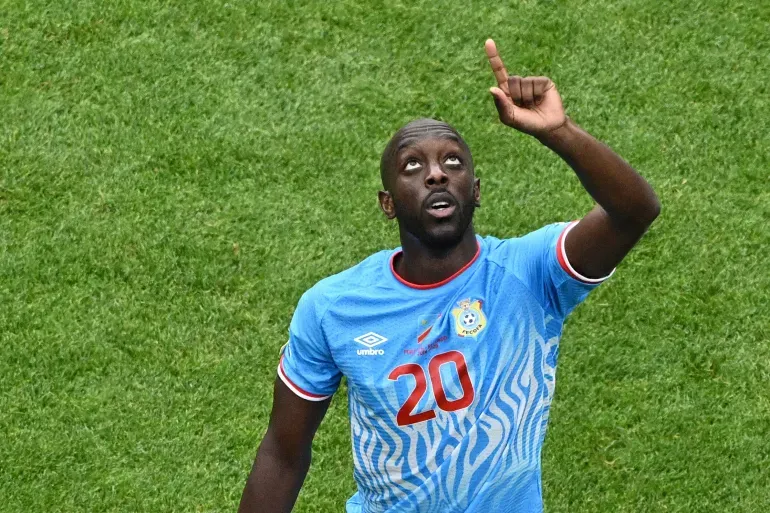
The expanded, highly debated 48-team era of international football has officially arrived, and any fears that a larger tournament would dilute the quality of the FIFA Men’s World Cup 2026 have been emphatically erased in a wild opening week across North America.
With 12 groups of four teams fighting under a grueling new structural layout, the traditional powerhouses are discovering that the margin for error has completely vanished. The opening matchday blocks have delivered tactical masterclasses, historic upsets, and a harsh reality check for elite squads who assumed the group stage would be a formality.
1. Germany’s Ruthless Warning Shot in Houston
If there were lingering questions about Germany’s tournament readiness under intense pressure, they were answered with absolute, clinical brutality at the NRG Stadium in Houston. Facing tournament debutants Curaçao in Group A, the four-time world champions unleashed a relentless offensive display, cruising to a crushing 7–1 victory.
While the scoreline highlighted the massive structural gap between Europe’s elite and emerging nations, the match was a fascinating tactical study. Germany operated with a hyper-aggressive counter-press, forcing unforced errors from a nervous Curaçao backline within the opening ten minutes.
Despite the heavy defeat, the Caribbean nation provided the loudest roar of the night when they exploited a rare German defensive lapse to score a historic consolation goal in the second half. For Germany, however, the three points serve as a flawless foundation in a group where goal difference will be a premium asset.
2. The Dallas Classic: Japan Stuns the Netherlands in Group F
The defining match of the opening round took place at the AT&T Stadium in Dallas, where Japan played out a breathless, instant-classic 2–2 draw against a heavily favored Netherlands side.
The Dutch, anchored by a star-studded midfield, dominated early possession and looked to be cruising toward a comfortable victory after taking a clinical first-half lead. However, Japan’s relentless high-intensity transitional play completely disrupted the Oranje’s rhythm after the break.
Japan’s tactical flexibility reaped rewards when a dazzling counter-attacking sequence allowed Daichi Kamada to slot home a dramatic equalizer in the dying minutes. The result completely blows Group F wide open, proving that subcontinental and Asian powerhouses possess the tactical discipline to match Europe’s finest on the counter.
3. The Structural Trap: Why the Expanded Format Favors the Bold
The overarching narrative of the opening week is the sheer unpredictability triggered by the new 48-team format. Under the current system, where only the top two teams from each group—alongside the eight best third-placed teams—advance to the newly introduced Round of 32, every single goal matters.
Traditional giants can no longer afford to "slow-play" the group stages or rotate their squads early. As seen in the opening matchday, lower-ranked nations are arriving with highly organized low-block defenses and lethal transitional speed, hunting for the single point that could see them sneak into the knockout rounds.
The heavy safety nets of previous World Cups have been systematically dismantled. The opening week has set a relentless, high-velocity tone: in the modern game, reputation alone guarantees nothing.
Key Matchday 1 Results:
- Group A: Germany 7–1 Curaçao
- Group F: Netherlands 2–2 Japan
- Group C: Argentina 3–1 Canada
- Group E: France 2–0 Morocco
Members Discussion