Major loss for the Government: Constitution Amendment Bill defeated
In the first time that a constitutional amendment brought by the Modi government has not passed, the Constitution (131st Amendment) Bill failed to clear a two-thirds majority of the Lok Sabha
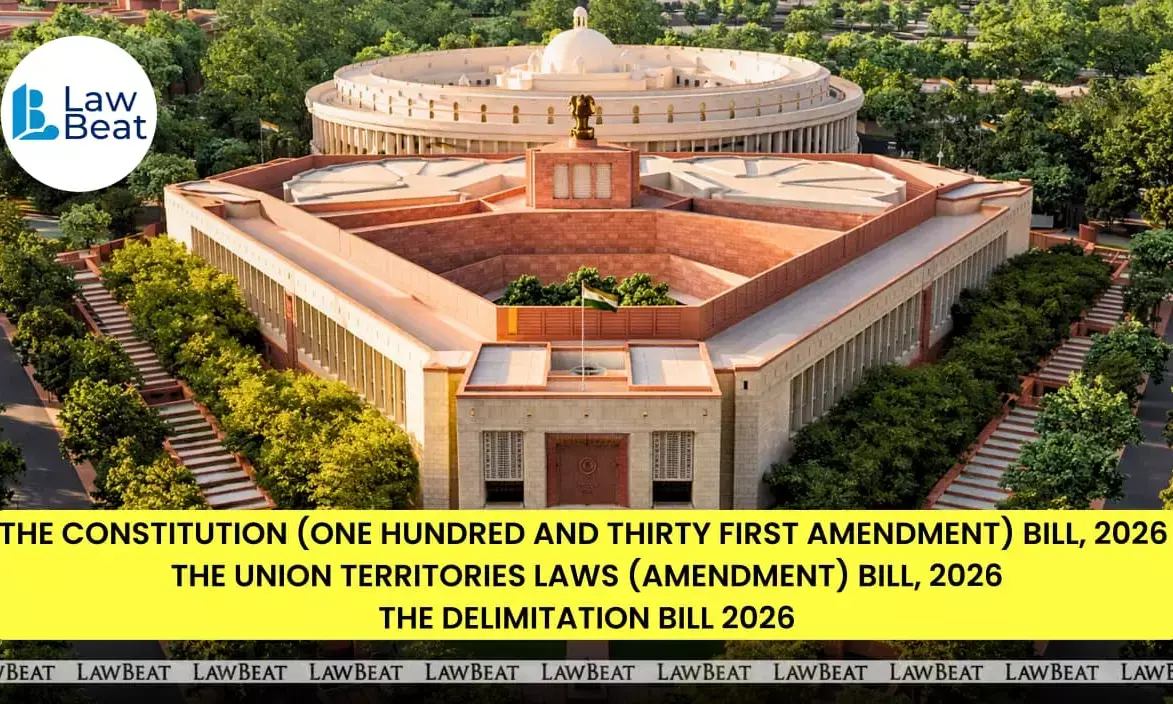
Constitution (131st Amendment) Bill, 2026 falls short of two-thirds majority; Centre withdraws Delimitation Bill tied to Nari Shakti Vandan Adhiniyam, 2023 | Source: LawBeat
Constitution (131st Amendment) Bill, 2026 falls short of two-thirds majority; Centre withdraws Delimitation Bill tied to Nari Shakti Vandan Adhiniyam, 2023 | Source: LawBeat
The government experienced a major loss on 17th April, 2026, when the Constitution (131st) Bill, 2026, couldn't pass to produce a two-third majority. The opposition stood against this bill staunchly through voting of the Constitution Amendment Bill moved by the Union Government, which seeks to expand the strength of the House and revise the framework governing delimitation and implementation of women's reservation. Following the defeat of the Constitution Amendment Bill, Union Minister Kiren Rijiju withdrew the Delimitation Bill 2026 and the Union Territories Laws (Amendment) Bill 2026.
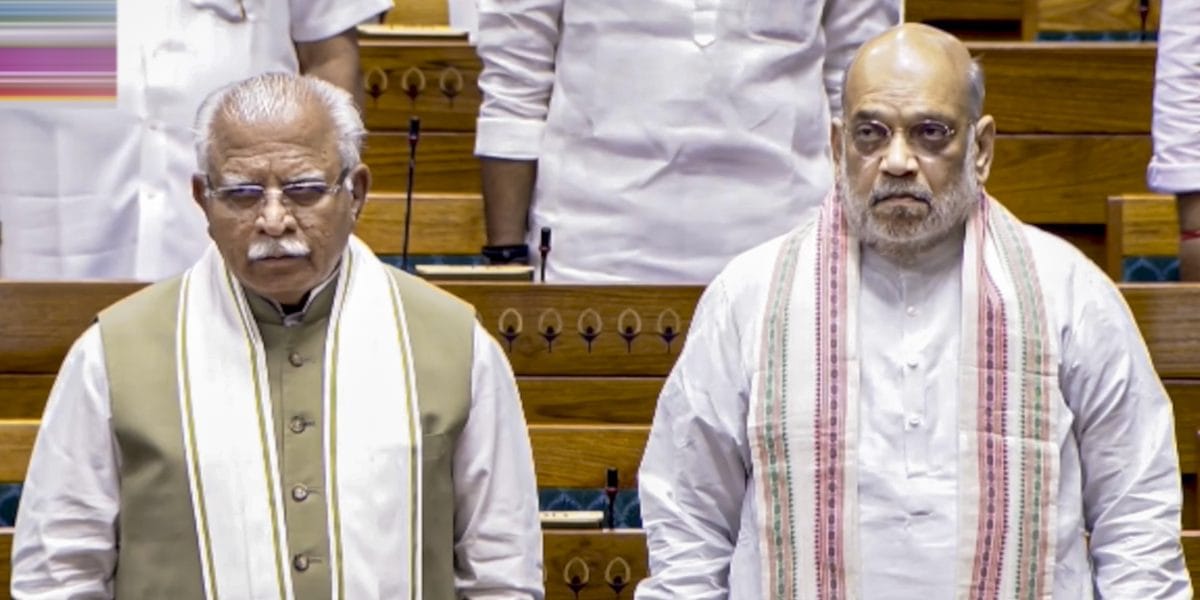
Union Home Minister Amit Shah and Union Power Minister Manohar Lal Khattar stand during the national anthem after the Lok Sabha was adjourned sine die, during the Special session of Parliament, in New Delhi, Saturday
Overview of the Constitutional Amendment Bill, 2026
The Billproposed to increase the seats of the Lok Sabha and State Assemblies on the basis of the 2011 Census, and to implement women's reservation along with the revision of the delimitation framework. While 298 members out of 528 members present and voting approved the Bill, 230 members voted against it.
The bill included certain areas to consider— 1) The delimitation based on the latest (2011) census; 2) Increase in the number of Lok Sabha seats upto 853 members— 815 from the state and 35 from the UTs; 3) to advance the implementation of women's reservation bill to 2029.
Source: The Hindu
Opposition’s stance on the Bill
The opposition parties opposed the Bills on the grounds that the increase of seats on the basis of the 2011 Census will disproportionately reduce the representation of the southern and north-eastern states. The Opposition hailed the failure of the bill as “historic” and emphasised that it was not against women's reservation but to tackle the unconstitutional trick of the government, in the name of women, to break the constitution. Tamil Nadu’s Chief Minister said that this move has “defeated Delhi”.
Following the defeat, the Union Minister of Parliamentary Affairs told the Lok Sabha speakers to not take up the two other Bills on delimitation and Union Territories, as they were linked to the Constitutional Amendment Bill, 2026.
Bulldozer mentality of PM: Congress slams govt for not sharing Constitution amendment billshttps://t.co/V5dPY8dcrX
The Opposition members raised questions at the stage of introduction regarding the lack of representation, unconstitutional tricks, disproportionate constitutional representation, and concerns on the federal structure.
Samajwadi Partymembers opposed the Bills, stating that they did not provide reservation for Muslim and backward-class women.
AIMIM chief Asaduddin Owaisi argued that the proposals violated the basic structure of the Constitution, particularly federalism, and said delimitation based on population would have altered the balance of representation among states. He also raised concerns over the impact on representation of OBCs and Muslims.
Congress MPK. C. Venugopal termed the move a fundamental attack on the federal structure and questioned the intent behind the legislation.
Responding to the Opposition, Union Home Minister Amit Shah reiterated that reservation cannot be granted on religious grounds and said such a provision would be unconstitutional. He maintained that the Bills were intended to implement women’s reservation within the constitutional framework.
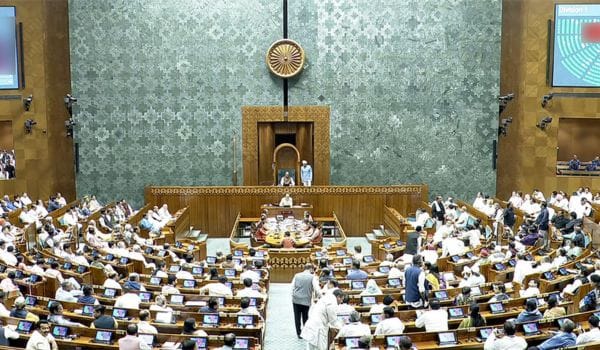
The Lok Sabha session on the Constitutional (One Hundred Thirty First) Amendment Bill, 2026
The conclusion
This was the first time when the Government faced a major loss in the parliamentary proceeding. This defeat marks a significant political shift in the upcoming Lok Sabha Elections. The Opposition parties are celebrating this failure as a safeguard to the constitution of India, to the federal balance and proper representation. The NDA government marks the failure of this Bill as a betrayal to the women of this country. Sources mention that the Government had realised that the Bill will fall thereafter it tried to put up various strategies for a massive campaign over the Women's Reservation Bill. The opposition should unanimity among one another in dropping down the proposed Constitutional Amendment Bill, 2026.
Share this article
The link has been copied!
Members Discussion
Your link has expired. Please request a new one.
Your link has expired. Please request a new one.
Your link has expired. Please request a new one.
Great! You've successfully signed up.
Great! You've successfully signed up.
Welcome back! You've successfully signed in.
Success! You now have access to additional content.
What’s Coming Next?
Explore our upcoming features, author interviews, and deep-dives into new policy reforms.