Sports
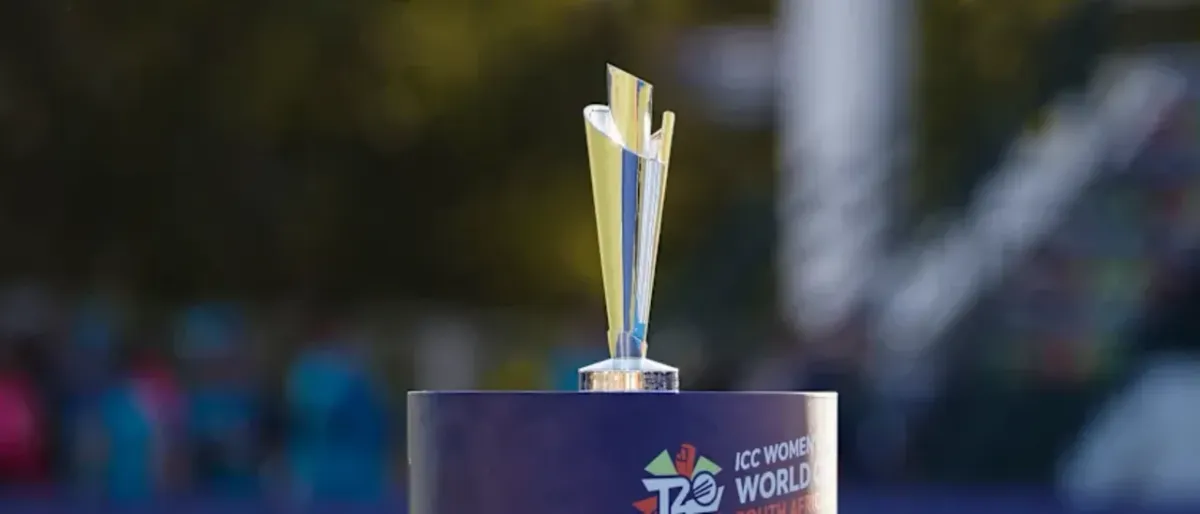
Women's cricket is not as same as what it was a decade ago. Women's cricket is about to change completely in ways it has never before done. In only nine short days, on June 12, 2026, the 10th ICC Women's T20 World Cup will officially begin in England.
This is not just another cycle; this time, it will be played with 12 teams, 33 matches, and across seven of the world's most celebrated venues (including Lord's for the final, which will take place on July 5). For the first time, we will have a tournament team across two groups of the participants; the teams (10 teams in total), will receive a new record prize pool of $8.76 million. The respect for women's cricket will be elevated to a whole new level this time around due to the increase of teams who qualify and the increase in total prize money.
Here is the format for the tournament:
Format: Two groups of six teams each with a single round-robin format. The top two teams from each group will advance to the single-elimination semi-final(s) of the tournament to be held at The Oval in London.
Debuting Nation: The Netherlands debuting in this tournament is a very exciting occurrence, and perfectly represents how the growth of women's cricket has happened rapidly.
- Group 1's Absolute Bottleneck: The Road Through India and Australia
Group 1 is being widely called as the 'Group of Death,' and for good reason. It features six-time champions Australia, defending champions New Zealand's eternal rivals, and an incredibly hungry Indian side.
For Harmanpreet Kaur’s squad, the margin for error is non-existent. India opens its campaign with the highest-pressure match on the calendar: a blockbuster clash against arch-rivals Pakistan on June 14 at Edgbaston.
Following the Pakistan game, India faces a relentless side in a final group-stage showdown against Australia at Lord's on June 28. To qualify for the semi-finals, India must navigate this tactical minefield without a single slip-up.
2. Will New Zealand Be Able To Keep Their Crown From The Ultimate Hosts?
New Zealand stunned the cricketing world with their first ever T20 World Cup title in October 2024; however, holding on to their title on English soil presents an entirely different set of challenges.
The English, who are in Group 2 and have plenty of hometown momentum and a lot to prove, will come into the tournament with an excellent chance of repeating the success they enjoyed when winning the ICC Champions Trophy in 2016. The English team has many players with experience playing on the home soil and with or without the home crowd will be confident of being able do so during the group stage games at venues such as Headingley and Lord's. Thus, the Group 2 games featuring England, New Zealand and the talented Sri Lankan team will certainly showcase an exceptional tactical versatility by all three teams.
3. The Equal Pay Momentum: A Force Multiplier
Outside the usual on field battles, it's a huge financial achievement. The ICC's decision to increase the prize money to $8.76 million, with the top prize going to the champions for at least $2.34 million, further proves the profitability of the sport.
For these stars of the highest caliber, a record year at home has been followed by a comparable financial package, effectively, that they are being paid what they deserve. This tournament will be a huge platform to showcase to the world ahead of the cricket's historic debut at LA Olympics 2028.
The Final Verdict
The days of the top three cricketing giants of women are finally over. Underdogs are in a better position with the addition of 12 teams, pitches are quicker and tactical depth is greater than ever before. Australia is still the benchmark but the distance has been narrowed. But one thing is clear, the next four weeks will decide the fate of the sport in India or England in a fairytale: it will either go ahead and win world silver or it will return to the books of history.
Members Discussion