COP31 in Turkey: Urgent Actions That Will Shape Our Future
COP31 opens in Antalya, Türkiye, amid mounting climate concerns, geopolitical tensions, and calls for faster action. Here's a look at its key priorities, 2035 targets, and global stakes.

COP31 opens in Antalya, Türkiye, amid mounting climate concerns, geopolitical tensions, and calls for faster action. Here's a look at its key priorities, 2035 targets, and global stakes.

As world leaders gather in Antalya, Türkiyem for COP31, the pressure to turn climate commitments into meaningful action has never been greater. With global warming threatening to breach the 1.5°C threshold, geopolitical tensions disrupting energy markets, and major economies divided over climate priorities, the 2026 UN climate summit faces formidable challenges.
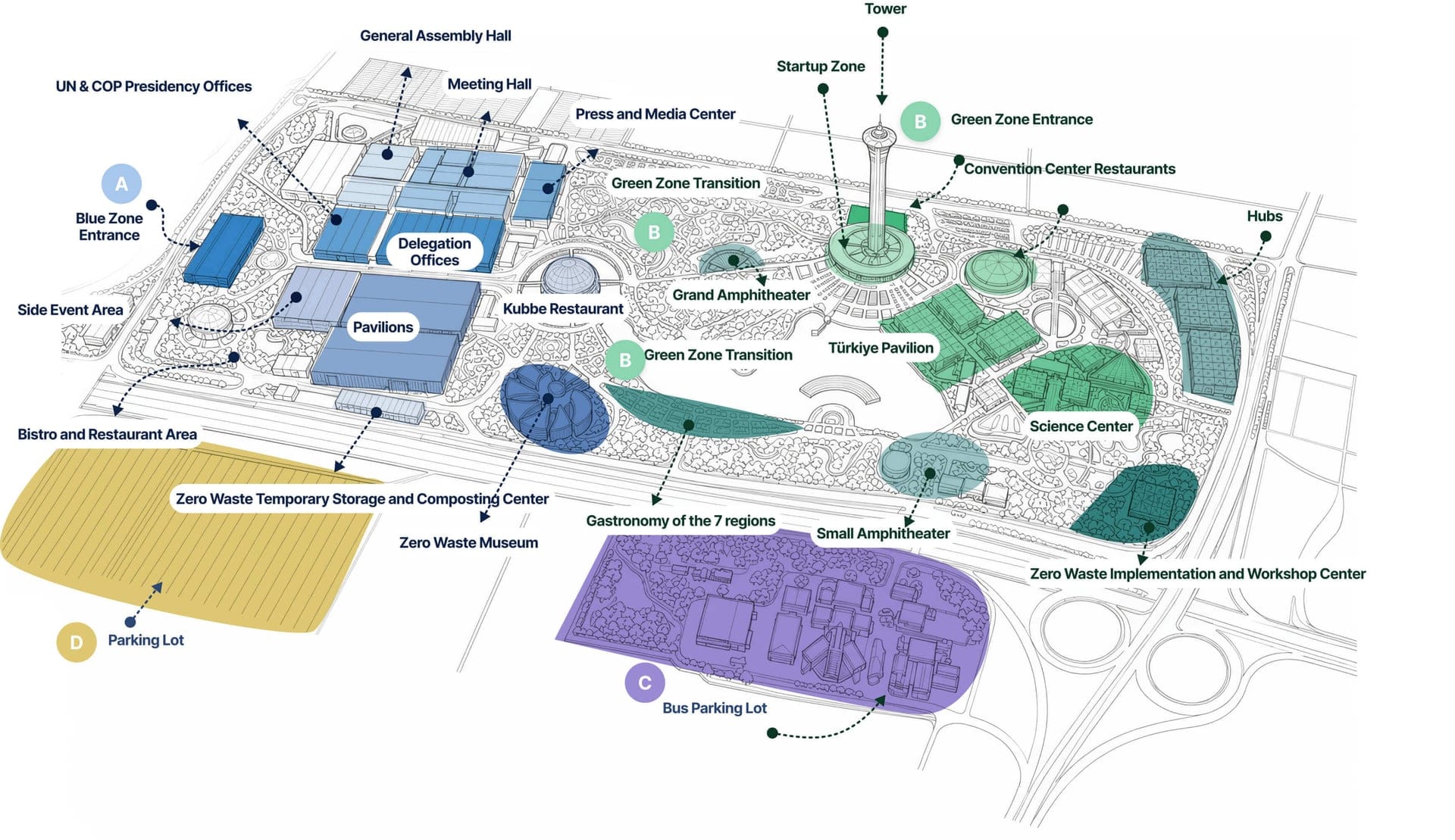
The world's attention is on Antalya, Türkiye, as the city hosts the 31st Conference of the Parties (COP31) to the United Nations Framework Convention on Climate Change (UNFCCC) from November 9 to 20, 2026. The conference serves as an international platform for governments to negotiate climate policies, review existing commitments, and strengthen collective efforts to address warming.
Türkiye will host, and Murat Kurum (Turkey's environment minister) will preside over COP31, while Australia's Chris Bowen will lead the negotiation under an unusual arrangement reached between the two countries to bring together regional perspectives.
While major economies like China, India, Brazil, and the UK will be in attendance, what is interesting to note is that the USA is expected to send no official delegation, understandably following mid-term electoral defeats, a gradual defunding of the renewable energy sector, and Trump's withdrawal of the country from the UNFCC. This veritably marks a major setback in international climate cooperation.
With rising global temperatures, increasingly frequent climate-related disasters, and growing geopolitical tensions, the summit faces a difficult challenge indeed. According to Reuters, COP31 leaders have called for faster climate action, noting that current momentum is inadequate—a United Nations Environment Program report released in October suggests the world was set to overshoot the 1.5°C warming limit set by the 2015 Paris Agreement.
On the whole, the COP31 leaders are still optimistic, with Selwin Hart, the UN Special Adviser on Climate Action and Just Transition, commenting:
"The good news in this horrible situation of overshoot is that the world has never been better equipped to solve this challenge"
—Selwin Hart for UN News (Credit: United Nations)
COP31’s agenda contains ten themes rooted in six axes of the Global Climate Action Agenda and the Marrakesh Partnership (Credit: UNFCCC)
Aside from these priority themes, COP31 also has certain global implementation targets for 2035:
Also read: The Climate Question at Davos: Add-On or another ‘Boondoggle’?
Explore our upcoming features, author interviews, and deep-dives into new policy reforms.