U.S. Sanctions Indian and Turkish Firms for Aiding Iran
The US Treasury has imposed fresh sanctions on Indian and Turkish firms accused of supporting Iran’s oil trade and sanctioned airlines. The action targets an Indian shipping network allegedly issuing fake vessel flags, raising concerns over maritime safety, global trade and sanctions enforcement.
The U.S. Treasury Department announced fresh sanctions on November 4, 2026, targeting companies and individuals in India and Turkey accused of supporting Iran. The move is part of the Trump administration’s “Operation Economic Outcast,” a campaign to choke off Iran’s oil revenue and weaken its ability to fund the ongoing war with the United States and Israel.
It came just a day after Democrats won control of both houses of Congress in the midterm elections, where voter anger over the Iran war and rising inflation played a major role. For Indian businesses, shipping firms, and policymakers, the action is a reminder that U.S. sanctions enforcement increasingly reaches beyond Iran’s borders.
U.S. Sanctions Indian and Turkish Firms for Aiding Iran (Source: Reuters)
US Foreign Policy: Indian Shipping Network Accused of Issuing Fake Vessel Flags to Iran
At the centre of the action is a Chandigarh-based network run by Suniel Kumar Sharma and his wife, Jaspreet Preeti Shahid. According to the Treasury, the couple falsely presented themselves as representatives of countries such as Guyana, Eswatini, and Laos to issue fake vessel flags and maritime certifications.
These documents allowed ships carrying Iranian petroleum, including vessels working for the Iranian military and its proxies, to dodge international safety and environmental rules. Two other Indian citizens who head the couple’s businesses were designated, along with nine entities linked to Sharma.
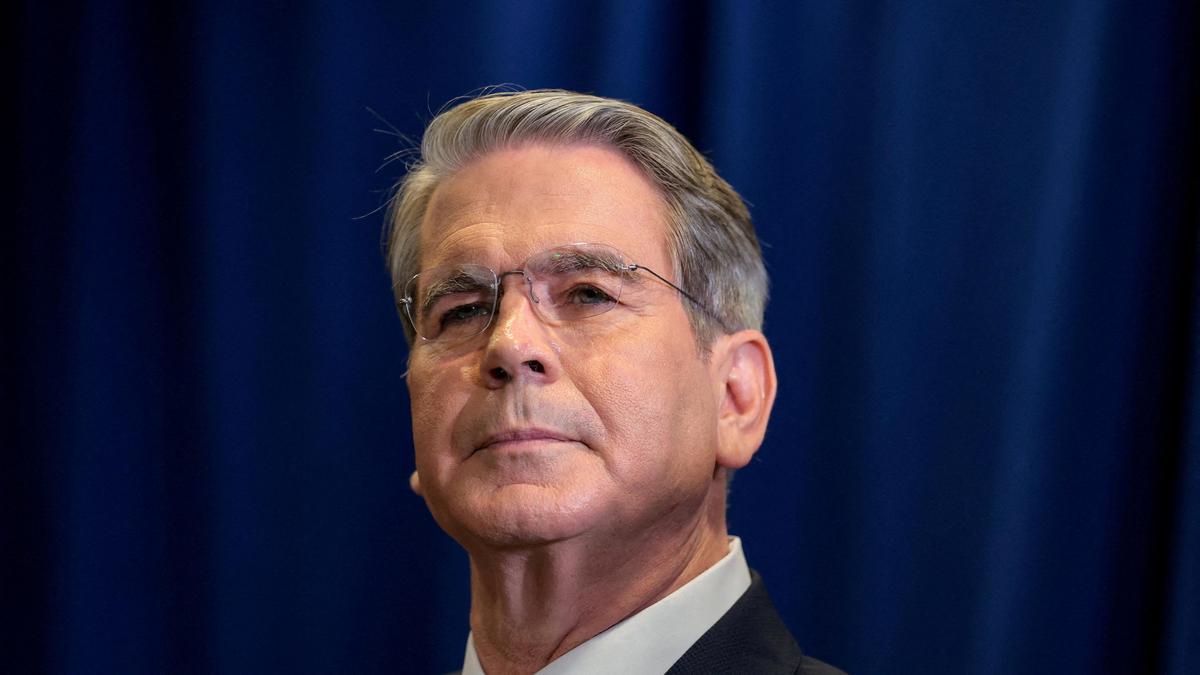
The Treasury also sanctioned Turkey-based Fugo Ground Services Inc. for providing ground-handling support to sanctioned Iranian airlines, including Iran Air Tour, Saha Airlines, Taban Airlines, and Ata Airlines. Treasury Secretary Scott Bessent warned that Washington would pursue anyone backing Tehran “by land, sea, or air.”
US sanctions on Turkish firms: US Sanctions Raise Concerns Over Global Shipping and Maritime Trade
False-flagged vessels carry no legitimate indemnity insurance, so an accident could cause billions of dollars in environmental and economic damage to coastal nations. The Treasury’s Office of Foreign Assets Control (OFAC) therefore issued a new industry alert on the sanctions risks of dealing with potentially false-flagged ships. Companies in shipping, insurance, and finance should review their due diligence practices.
The sanctions also tighten pressure on Iranian oil sales, following the reimposition of the U.S. blockade of Iranian ports on July 14 after a memorandum of understanding between Tehran and Washington collapsed. The Treasury says the measures are driving Iran’s rial to record lows and pushing domestic inflation to around 90%. With U.S.-India economic ties also in focus, businesses on both sides will be watching how enforcement develops.