Sawan 2026: The Sacred Month of Shiva - Everything You Need to Know About Dates, Rituals & Fasting
This article explores the significance of sacred month of Sawan, covering its origins, mythology, important dates, fasting traditions, rituals and the diverse ways it is celebrated across India.
Shravan, also known as Sawan, is one of the holiest months in the Hindu lunar calendar. The name of this month is derived from position of the Moon near Shravana nakshatra (star) on full moon day. Commonly falling between mid-July and mid-August, this month is dedicated to Lord Shiva and is considered an auspicious time to deepen one's spiritual consciousness through rituals, temple visits and Monday fasts known as Sawan Somwar.
Mythology behind Sawan
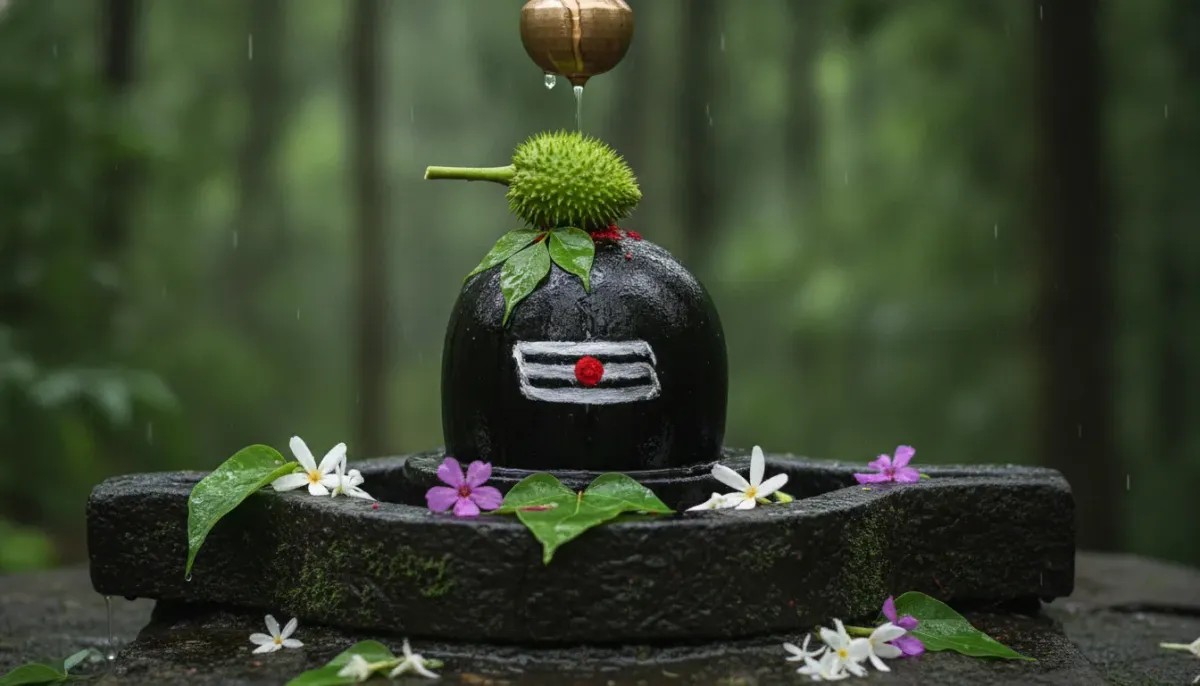
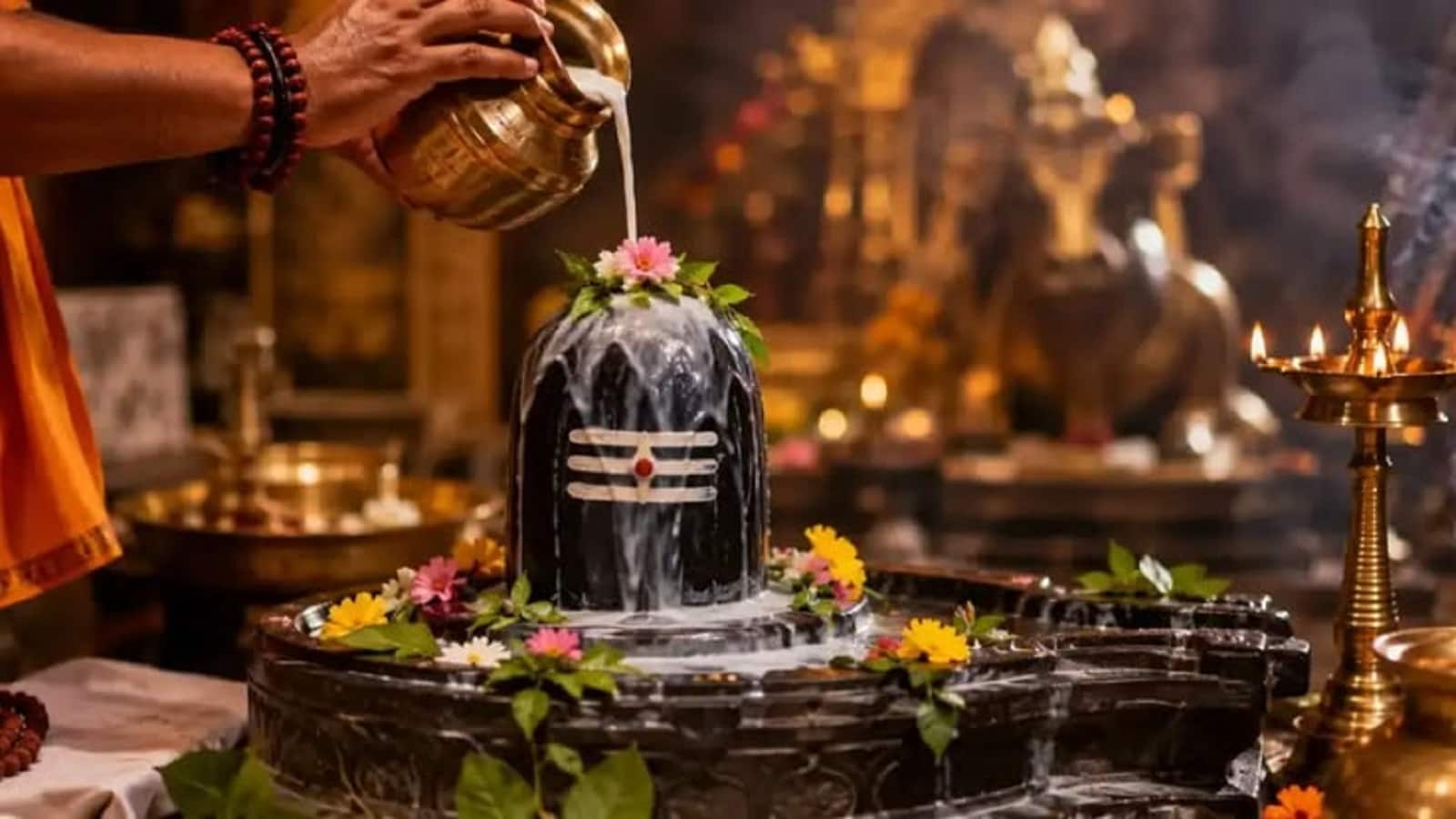
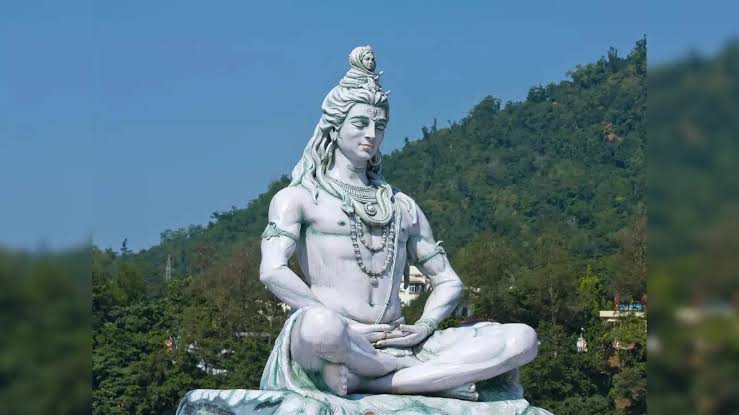
According to Hindu scriptures, during Samudra Manthan (the churning of the ocean) by Gods and Demons to procure Amrita (The nectar of immortality), a deadly poison, Halahala, was also released, which threatened to destroy the universe. To protect all living beings, Lord Shiva consumed poison and held it in his throat, earning the name Neelkanth. It is believed that gods offered water, milk and bilva leaves to soothe Shiva after his selfless gesture. This legend forms the foundation of Sawan rituals, with devotees performing Jalabhishek, observing Sawan Somwar fasts, and offering prayers to seek Lord Shiva's blessings for peace, prosperity and spiritual well-being.
Sawan 2026: Complete calendar
Based on the North Indian Purnimant calendar system, Sawan Month 2026 began on July 18, 2026 (Saturday) and is supposed to end on August 15, 2026 (Saturday). Special days to mark during this period of time are-
1st Sawan Somwar: August 3, 2026
2nd Sawan Somwar: August 10, 2026
3rd Sawan Somwar: August 17, 2026
4th Sawan Somwar: August 24, 2026
Important festivals during Sawan 2026
Sawan Shivratri: August 11, 2026 (Tuesday)
Hariyali Amavasya: August 12, 2026 (Wednesday)
Hariyali Teej: August 15, 2026 (Saturday)
Nag Panchami: August 17, 2026 (Monday)
Shravana Putrada Ekadashi: August 23, 2026 (Sunday)
Raksha Bandhan / Shravani Purnima: August 28, 2026 (Friday)
Sawan Somwar Fasting and Rituals (source: Pragativadi)
Sawan Somwar Fasting and Rituals
During Sawan, devotees observe Monday fasts accompanied by poojas, chanting of mantras such as 'Om Namah Shivay', and performing rituals like jalabhishekam of Shiva linga. Sawan Somwar fasts are prevalent among women, as according to Hindu scriptures, Goddess Parvati observed the Sawan Somwar fast to win Lord Shiva's hand in marriage, inspiring many unmarried women to pray for an ideal life partner and married women to seek marital happiness and family well-being. Fasting practices depend on individual beliefs and capabilities. While some people consume only sattvik ahar, such as milk and fruits, and avoid grains, others observe a nirjal vrat, abstaining from both food and water.
Sawan Traditions and Cultural Celebrations Across India
There are several other customs and traditions during the Sawan month that are followed by people across India. Some of them are: wearing green clothes and accessories, especially by women; performing traditional folk songs and dances in community settings like Kajri, jhula songs, Malhar and Shiv bhajans. Sawan is also marked by the preparation of regional cuisines, with traditional seasonal dishes enjoyed across various states.
Another significant tradition observed during Sawan is the Kanwar Yatra, during which millions of Kanwariyas undertake a pilgrimage to collect holy water from the Ganga and other sacred rivers. They carry the water in decorated kanwars and offer it to Shivlings in temples as an act of devotion and gratitude to Lord Shiva.
These traditions have been passed down through generations, preserving India's rich cultural and spiritual heritage. Whether through fasting, prayer, folk traditions or community celebrations, Sawan continues to unite millions of people across the country, reflecting the enduring values of faith, devotion and cultural continuity.