Iran Says It Can Reopen Strait Of Hormuz Within Two Days If US Accepts Its Conditions
Iran says it can reopen the Strait of Hormuz within two days if Washington meets its demands, as Qatari mediators shuttle between the sides and Trump warns Tehran of the hammer ahead of US midterms.
Iran said on Monday it could restore shipping through the Strait of Hormuz within two days if Washington agrees to its conditions, as Qatari mediators carried a draft deal between the two sides and US President Donald Trump kept alive the threat of fresh strikes on the eve of the American midterm elections.
A Shortened Plan, Same Conditions
Foreign Ministry spokesman Esmaeil Baqaei said the plan Tehran submitted in September has been condensed so that it can be carried out in two days instead of seven, calling that a sign of good faith. Under the shorter timetable, Iran says the United States would take a series of steps on day one, and the strait would reopen on day two.
Tehran's conditions have not changed. They include ending the war on all fronts, releasing frozen Iranian assets, lifting oil sanctions and recent penalties, and ending the US blockade of Iranian ports. Baqaei said talks on Iran's nuclear programme could follow only after those demands are verified as met, and that a transfer of its enriched uranium stockpile was not discussed. Trump rejected the original seven-step proposal in September. Foreign Minister Abbas Araghchi said everything now depends on Washington's political rationality.
Trump Keeps His Options Open
Trump said on Monday that Iran wants a settlement and that a deal "could happen," but he has also warned that Tehran will either strike a deal or face "the hammer." Over the weekend, he said the US still had one or two targets to deal with, including the suspected nuclear site at Pickaxe mountain.
Axios, citing sources, reported that Trump wants to let negotiations play out while Israeli Prime Minister Benjamin Netanyahu presses him to resume strikes after the midterms. A regional official told the Associated Press that the president had not made a decision. Iran's Foreign Ministry warned that any attack would draw a powerful and immediate response, and Reuters reported that Iranian sources consider a new US attack more likely than a deal.
Mediators, Markets And Risks At Sea
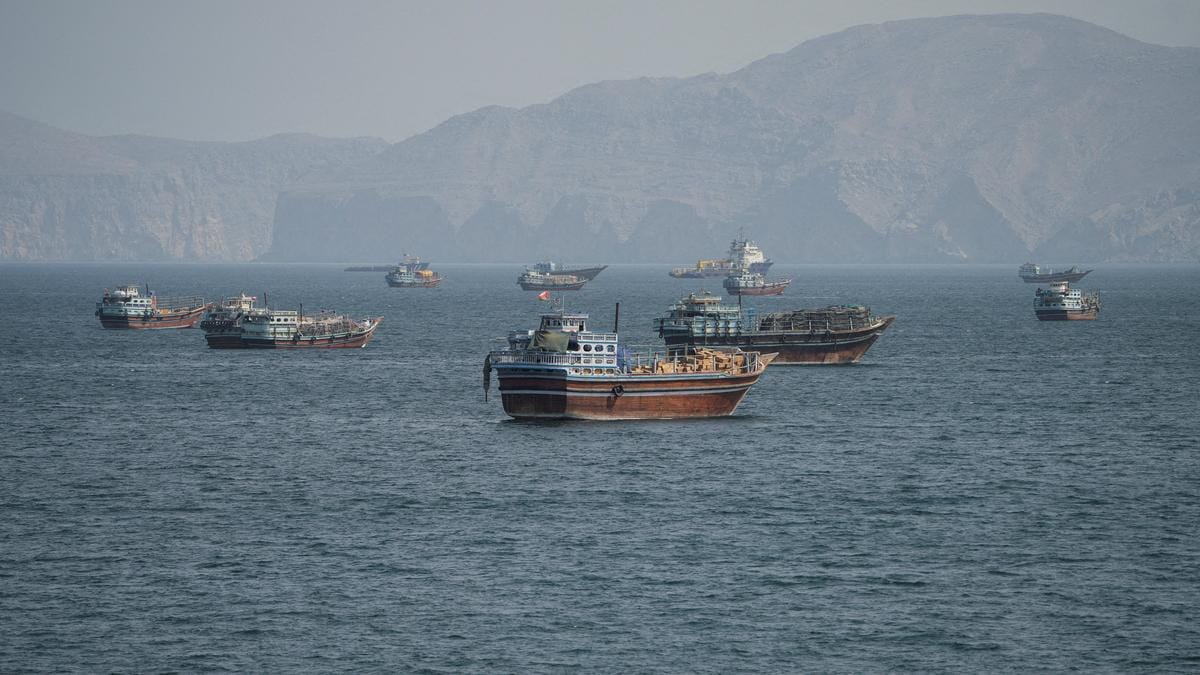
Qatari mediators travelled to Tehran on Monday evening to discuss the draft after three days of indirect talks in Doha, and officials from Pakistan, Saudi Arabia and Turkey have also been in contact with Tehran. China and Russia both urged restraint, with Chinese Foreign Minister Wang Yi calling for a political solution. Brent crude fell sharply on hopes of a breakthrough, by between about 4 percent and 7 percent at different points in the day. Shipping risks remain high.
The UK Maritime Trade Operations centre recorded 30 attacks on commercial vessels in October, a record, and a ship was struck by an unknown projectile off Oman. Iran has blockaded the strait since the war began on February 28, cutting off the route that normally carries about a fifth of the world's oil.