ISRO-ESA Deal Gives India’s Space Programme A Powerful Boost
ISRO and ESA have extended their space cooperation until 2032, opening new opportunities in human spaceflight, robotic exploration, space science and advanced space technology.

ISRO and ESA have extended their space cooperation until 2032, opening new opportunities in human spaceflight, robotic exploration, space science and advanced space technology.
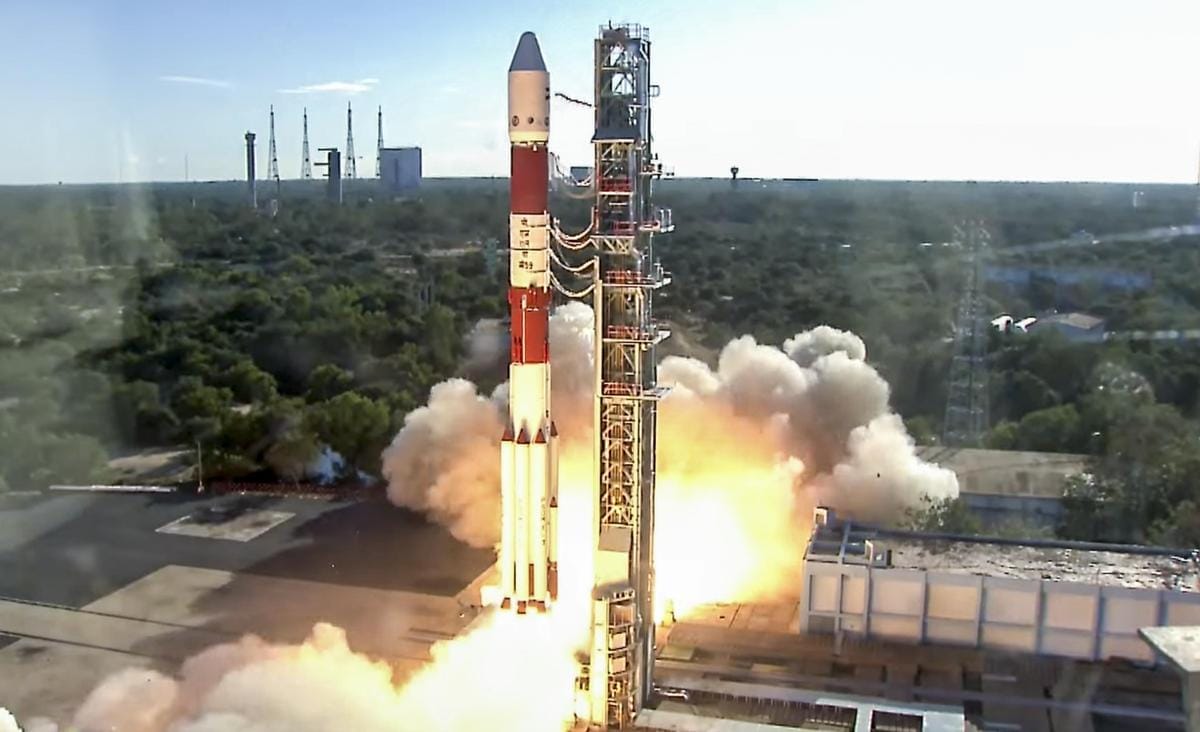
India’s space programme has received a fresh boost as the Indian Space Research Organisation (ISRO) and the European Space Agency (ESA) have extended and expanded their long-standing cooperation agreement. The renewed agreement will remain in force until January 8, 2032, creating a stronger framework for collaboration in space science, exploration and advanced technologies.
The pact was made official via an exchange of letters on September 10, 2026, in Paris, at the International Space Summit. The documents were signed by ISRO Chairman, Dr. V. Narayanan, and ESA Director-General, Josef Aschbacher, building on a relationship which has helped India and Europe work together over a period of more than two decades.
Among the new areas to be covered by the renewed partnership are Human and Robotic Space Exploration, Space Weather and Sustainability of Outer Space Activities. The existing domains of Earth Observation, Space Science and Mission Operations will also continue to be pursued under the new arrangement.
The participation of humans in space travel will definitely play a crucial role in their evolving relationship. India is building its human space flight capabilities through the Gaganyaan program, whereas ESA has already committed to providing ground station services to Gaganyaan missions. ESA’s global network of tracking stations can enable ISRO to communicate and track its spacecraft during their missions.
ISRO and ESA have also signed a Joint Statement of Intent on human space exploration in 2025. The collaboration will include such spheres as docking systems of spacecraft, training and research of astronauts for future missions into low Earth orbit.
The expanded partnership can provide opportunities for scientists and engineers from both sides to share expertise, data and technical resources. Cooperation in Earth observation can support research in areas such as climate, vegetation and environmental monitoring.
Earlier in March 2026, ISRO and ESA signed an arrangement for joint calibration and validation activities and scientific studies linked to Earth observation missions. The agreement also supports work involving advanced sensors and scientific data.
Space weather is another important area covered by the renewed agreement. Better understanding of solar activity and its effects on space and Earth-based systems can help improve the safety and reliability of satellites and future space missions.
The partnership comes at a time when India is expanding its ambitions in space exploration. ISRO is working on human spaceflight, lunar exploration, planetary missions and advanced satellite technologies. The agency is also preparing for missions beyond Earth orbit, including India’s planned Venus Orbiter Mission.
The renewed ISRO-ESA framework gives both sides a longer period to develop joint scientific and technological initiatives. It also strengthens international cooperation as space missions become increasingly complex and require advanced infrastructure, data sharing and specialised expertise.
With cooperation now extended until 2032 and new areas added to the partnership, the ISRO-ESA agreement marks another significant step in India’s expanding role in global space exploration. It could create new opportunities for scientific research, technological development and future human and robotic missions.
Also Read: India-Japan Joint Air Exercise Veer Guardian 2026 Underway in Rajasthan
Explore our upcoming features, author interviews, and deep-dives into new policy reforms.