National Politics


Skeleton Proof: When Banking Rules Buried Humanity in Odisha
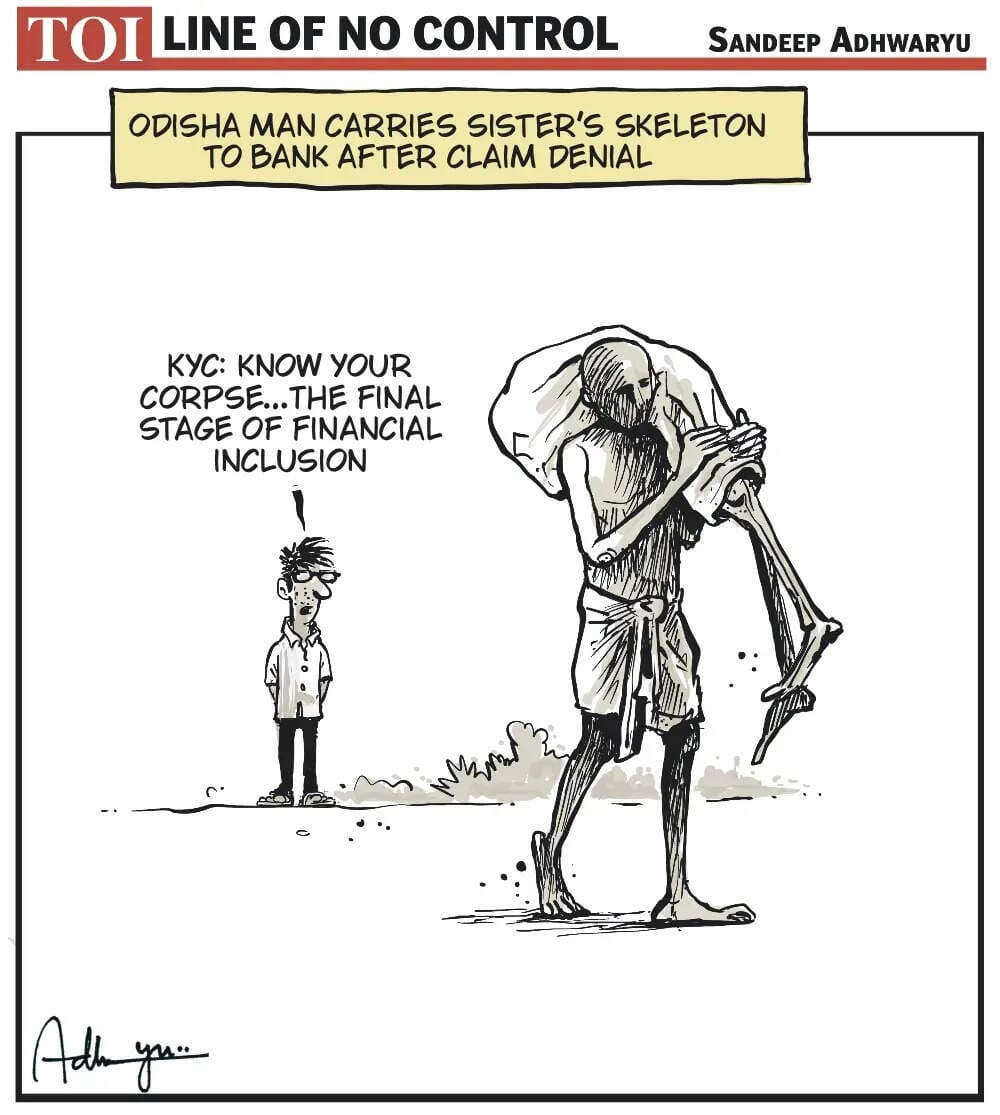
In a shocking incident from rural Odisha a tribal man Jeetu Munda,50 was forced to exhume his sister’s grave and carry her skeletal remains to a bank after repeated refusals by officials to release about ₹19,402 from her account without “proof of death.” His sister Kalra Munda,56 had died in January 26, while the nominee's elder brother Raybu Munda had already passed away earlier. After multiple visits and mounting frustration Jeetu took the extreme step that has since sparked outrage across the country exposing a troubling gap between rigid procedure and basic human empathy.
What Happened
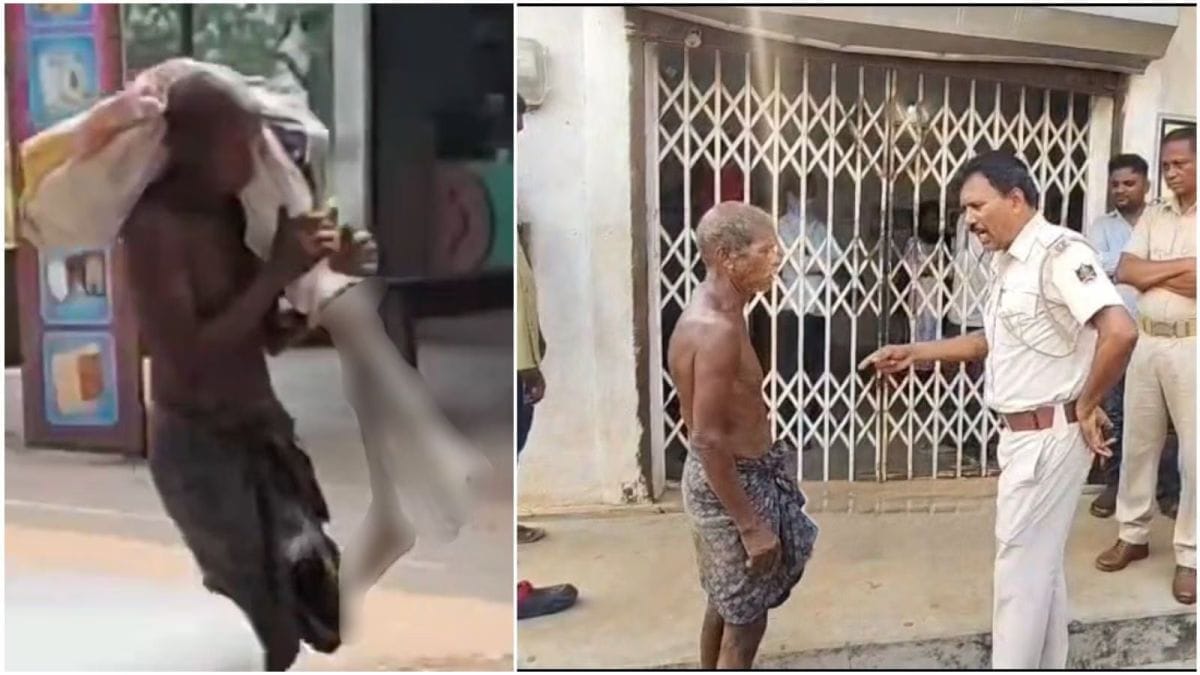

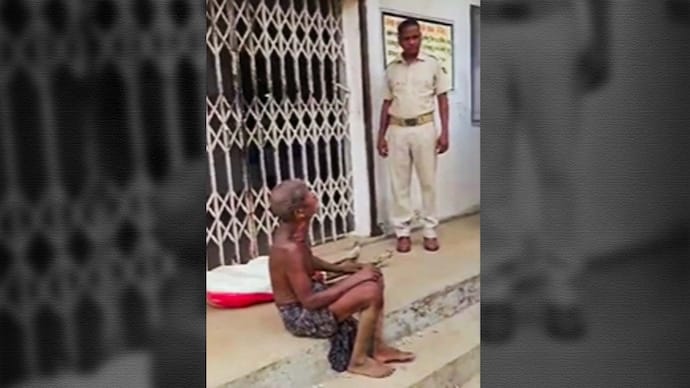
Jeetu Munda approached a Odisha Grameen Bank's Mallipasi branch in Keonjhar to withdraw money from his deceased sister’s account funds urgently needed for family survival. However with the registered nominee also deceased bank officials insisted on formal documentation: either the presence of the account holder or official proof of death.
Despite explaining his situation repeatedly, Jeetu was reportedly turned away several times. In the absence of accessible documentation and with little institutional guidance he resorted to digging up his sister’s grave placing her skeletal remains in a bag and bringing them to the bank as “evidence.”
The act stunned everyone and quickly drew media attention turning a local tragedy into a national headline.
How It Happened Circumstances and Systemic Gaps

This incident reflects more than individual insensitivity; it points to systemic issues. In many tribal regions of Odisha access to documentation like death certificates is limited. According to the 2020-21 Economic survey literacy rates in some tribal communities remain below 30% making procedural compliance even more difficult.
In such contexts strict adherence to rules without assistance or flexibility can lead to inhumane outcomes. Banking procedures while necessary for fraud prevention often fail to account for ground realities in rural and marginalized areas.
Where the System Failed
The failure occurred at multiple levels:
- Lack of awareness and assistance for rural customers
- Absence of simplified procedures for small withdrawals
- Insensitivity of bank staff in handling vulnerable individuals
- Poor outreach in tribal areas regarding documentation processes
- This was not just a procedural lapse, it was a collapse of empathy.
Public Outrage and Government Response
The incident triggered widespread outrage after being reported by national and regional media, including local Odisha outlets. Social media amplified the story, with many calling it a “shameful reflection” of bureaucratic rigidity.
In response Odisha Minister Suresh Pujari assured that appropriate action would be taken against the officials involved. He also stated that Jeetu Munda’s case would be resolved promptly.
However, the larger concern remains would the system have responded if the incident had not gone viral?
Beyond One Case A Larger Pattern
This case is emblematic of a broader issue where rules designed to ensure accountability end up alienating the very people they are meant to serve. For marginalized communities especially in remote areas accessing basic financial services can become an ordeal.
The lack of empathy in public service delivery whether in banking healthcare or administration continues to be a recurring challenge.
The Real Solution Making Systems Humane
While accountability for this specific incident is necessary deeper reforms are essential:
- Simplifying documentation requirements for small transactions
- Introducing local verification mechanisms in rural areas
- Training bank staff in empathetic and inclusive service delivery
- Strengthening outreach programs to improve awareness
- Leveraging digital tools for easier identity and death verification
Rules must exist but they must also adapt to human realities.
Conclusion
The image of a grieving brother carrying skeletal remains to a bank is not just disturbing it is a stark indictment of a system that prioritised procedure over humanity. While Jeetu Munda’s case may now be resolved under public pressure, countless others remain unheard.
Justice in this case will not only be about punishing those responsible but about ensuring that no citizen is ever forced into such desperation again. A system that cannot recognise human suffering risks losing its very purpose.
Members Discussion