Men's Mental Health Awareness Month: Know Why it is Significant
Behind the words "I'm fine" often lies an untold story. June is observed as Men's Mental Health Awareness Month, raising awareness about the silent emotional struggles many men hide due to societal stigma. Isn't it time we normalise conversations about mental health?
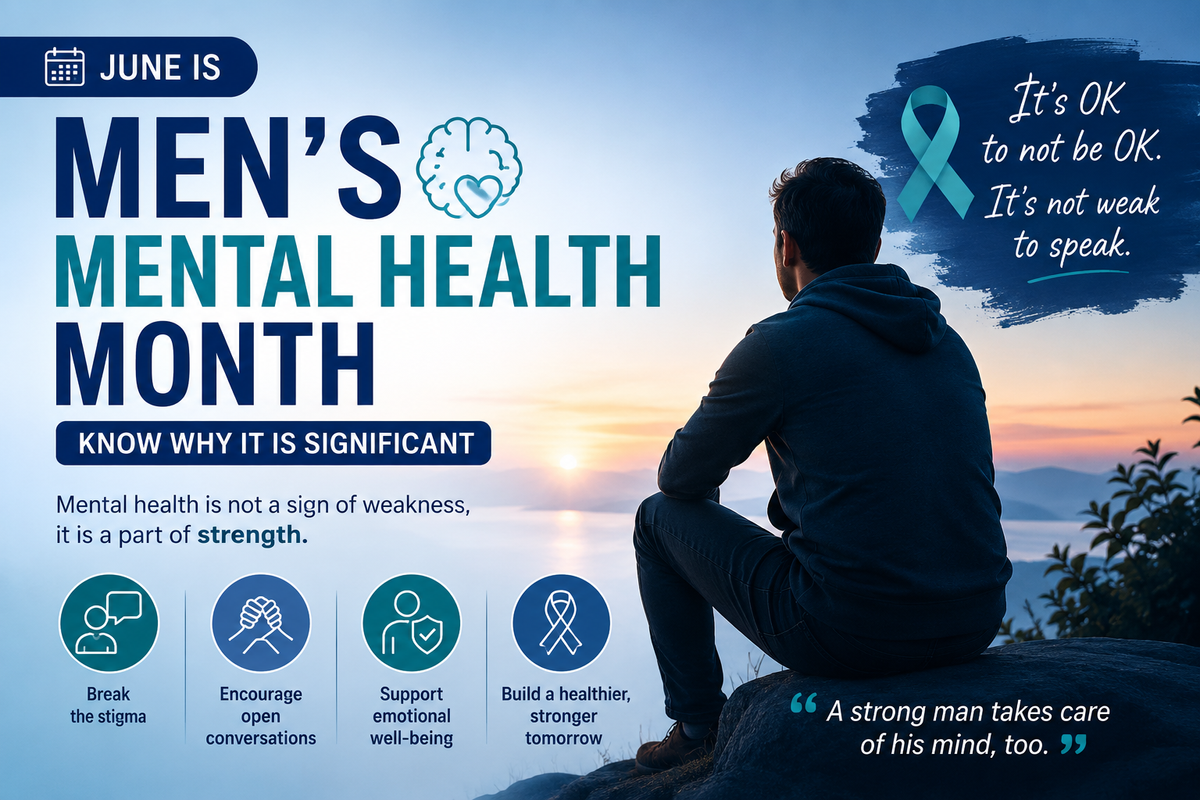
Men's Mental Health Awareness Month (Source: AI Generated)
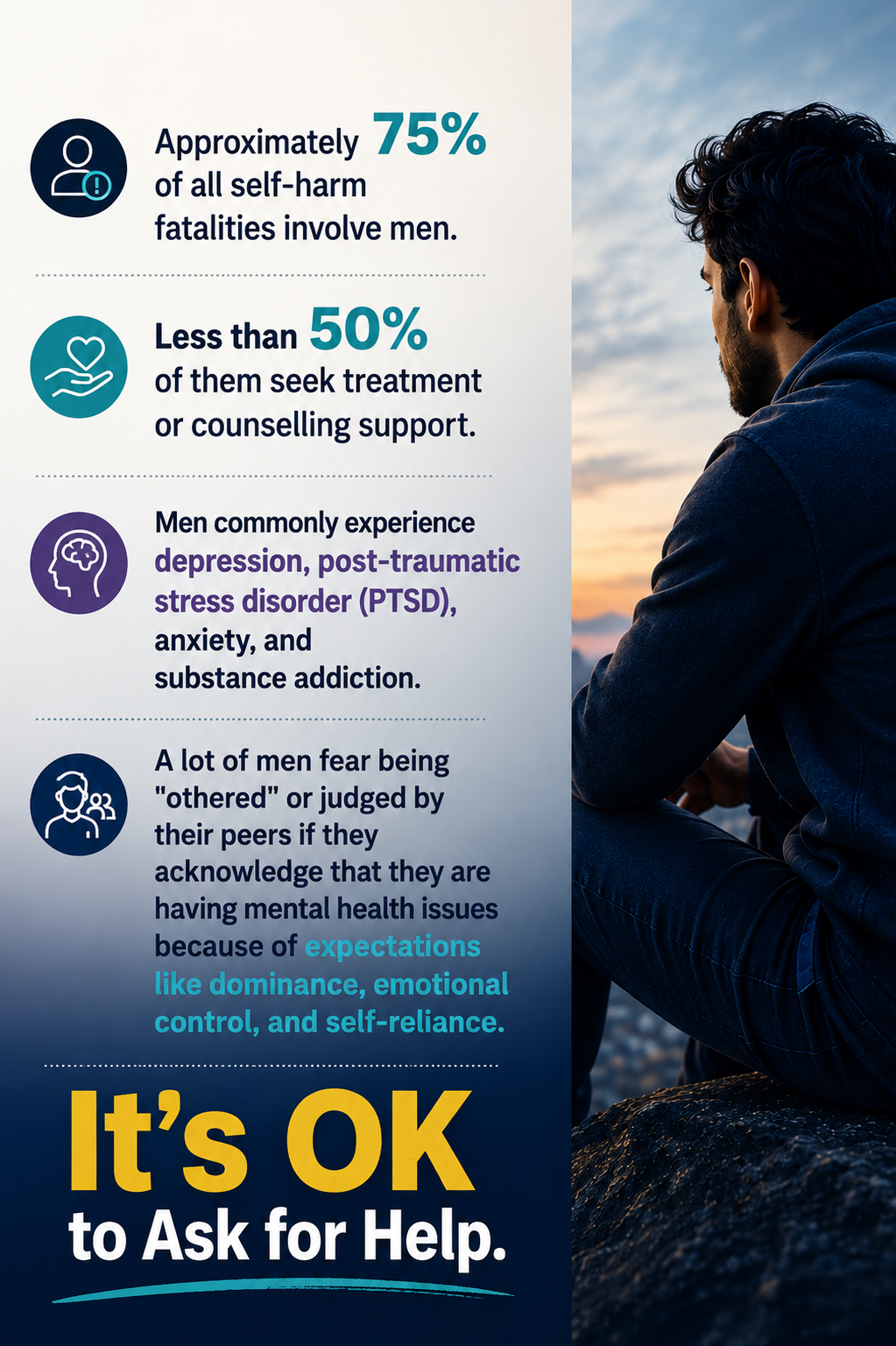
Men's Mental Health Awareness Month (Source: AI Generated)
Don't we often tell young boys, "Don't cry like a girl" or "Be a man"? Even these small phrases often reflect on how men are always expected to supress their emotions. Mental health thus has long been encumbered by a gendered stigma. While women are often considered as emotional, men are expected to be brave and resilient.
This expectation of silent suffering and emotional restraint might have a serious impact on their mental health. The pressure to conform makes it difficult for them to acknowledge their anxieties or come to terms with their emotional well-being. To raise awareness and challenge these stereotypes, June is observed as Men's Mental Health Awareness Month.
Why Men's Mental Health Awareness Matters
According toTurnwell Mental Health, nearly one in five men experiences a mental health condition. Yet, many never seek treatment. The consequences are severe. Men account for nearly 80% of all suicide deaths globally. Recent data cited by The Hindu shows that the suicide rate among men is three times higher than that of women. Furthermore, The Indian Express reported that men account for approximately 75% of all self-harm fatalities. Less than 50% of them seek treatment or counselling support.
Men commonly experience depression, post-traumatic stress disorder (PTSD), anxiety, and substance addiction. However, traditional notions of masculinity often discourage them from seeking help. Research by Ayesha Sheikh et al. found that a lot of men fear being "othered" or judged by their peers if they acknowledge that they are feeling anxious or depressed or any other conditions because of expectations like dominance, emotional control, and self-reliance.
Thus, June as Men's Mental Health Awareness Month, becomes significant in breaking the genderd notion of mental health and emotional well being.
Mental Health Awareness (Source: AI Generated)
What We Need to Be Aware Of?
Emotions go beyond simple replies like “I’m good” or “I’m fine.” People need open, supportive spaces where they feel safe to express themselves. Acceptance matters most here. Feeling overwhelmed is normal, no matter your situation, age, or gender, and people should meet it with understanding, not judgment.
Psychologists encourage men to share their struggles with someone they trust, such as a family member, close friend, or mental health professional. Workplace pressure and social expectations, especially among young people and adolescents, make this even more important. Maintaining a healthy lifestyle, sleeping well, and seeking emotional support help support overall well-being.
We also need to challenge the stigma around masculinity and the idea that men must always stay strong. Society often reinforces this through phrases like “Mard Ko Dard Nahi Hota.” In reality, seeking help from a therapist or psychologist shows courage, not weakness, and supports healing and better mental health.