Typhoon Champi leaves 1 Dead, 500 Injured as it moves towards China
Typhoon Champi swept past Taiwan, killing one person and injuring more than 500. The storm uprooted trees, damaged structures and left over 167,000 homes without electricity before weakening and moving north towards the Chinese coast.
Typhoon Champi leaves 1 Dead, 500 Injured as it moves towards China (Source: Reuters)
Typhoon Champi leaves 1 Dead, 500 Injured as it moves towards China (Source: Reuters)
Typhoon Champi swept past Taiwan on Saturday leaving one person dead and more than 500 injured, uprooting trees and cutting power to thousands of homes before weakening and turning north toward the Chinese coast.
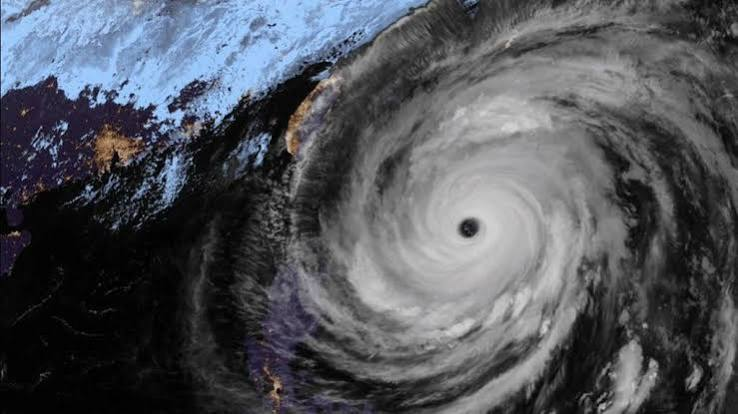
Earlier classified as a super typhoon and among the strongest storms in the Pacific this year, Champi was still producing gusts of about 126 kilometres per hour (78 miles per hour) near its centre, according to Taiwan's Central Weather Administration (CWA). The storm was roughly 150 kilometres (93 miles) east of the island, having glanced off Taiwan's northeast coast in the early hours of Saturday.
Typhoon Champi Death Toll and Injuries
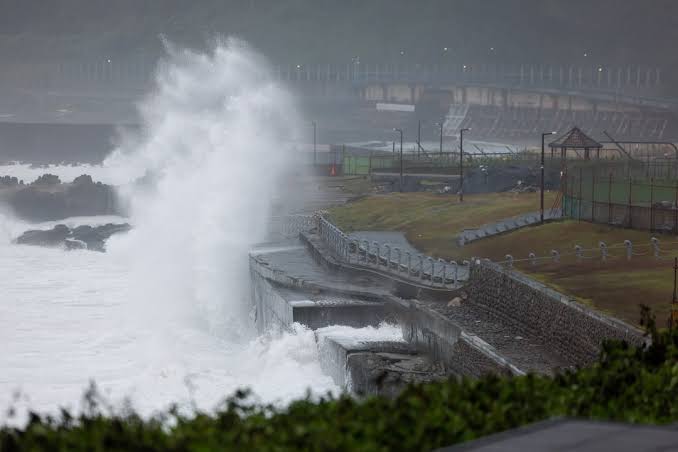
Taiwan's fire department said a man was killed after being swept away by waves on the island of Liuqiu. A further 527 people were injured as heavy wind and torrential rain lashed the island.
Typhoon Champi leaves 1 Dead, 500 Injured as it moves towards China (Source: BBC)
State utility Taipower said more than 167,000 homes lost electricity during the storm. Most have since been reconnected, though crews continued repair work in some areas.
Large parts of northern and central Taiwan, including the capital Taipei, declared a second consecutive day of office and school closures on Saturday. Some flights were also still being cancelled as airlines worked through the backlog caused by the storm.
Despite the scale of the disruption, Taiwan is generally well prepared for typhoons, a factor that helps keep casualty numbers relatively low. The island has extensive experience with severe weather, and authorities routinely suspend work and classes ahead of major storms. Although typhoons are more common in summer, they can also strike in autumn, as Champi has demonstrated.
Champi tracks towards China and Japan, Authorities Assess Damage
The CWA's forecast track shows Champi continuing north toward the Chinese coast before eventually moving into southern Japan. Authorities in those regions are expected to monitor the storm closely, though it is weakening and may lose further strength as it moves away from warm open waters.
The storm follows a series of destructive typhoons to hit the region in recent years. Super Typhoon Ragasa rampaged through Taiwan, Hong Kong and southern China in September 2025, while Typhoon Kong-rey described as the biggest storm in decades, caused widespread destruction in Taiwan in October 2024.
Residents in affected areas have been urged to remain cautious as clean-up operations begin. Fallen trees, damaged structures and flooded roads continue to pose hazards, and officials have warned people to avoid coastal areas while rough seas persist.
Emergency services said assessments of the full extent of the damage were still under way, and the casualty figures could change as reports continue to come in from across the island.