National Politics
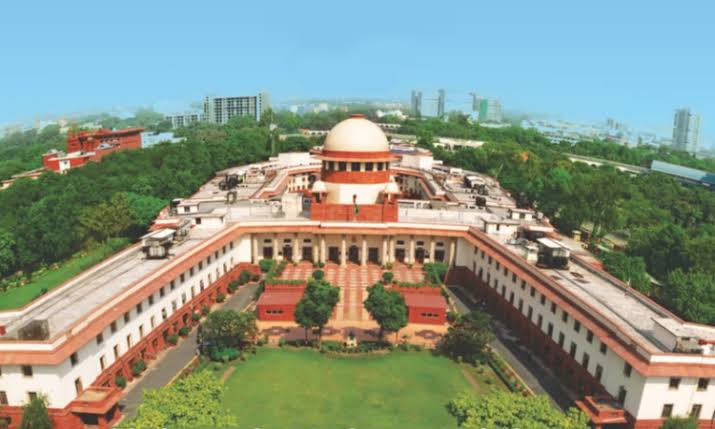

India’s steadily worsening stray dog crisis is back again in the centre of national discussion after the Supreme Court decided not to tweak its November 2025 directions on stray dog management, while also putting out new instructions to states and Union Territories, for urgent take up. Even with protests from dog lovers, animal welfare activists and multiple petitions asking for a recall of the order, the apex court stayed firm that public safety cannot be compromised. The court repeated that stray dogs collected from public spaces like hospitals schools railway stations, bus stands and sports complexes should not be sent back to exactly the same locations after sterilisation or vaccination. But, in the very same breath, the court told states to set up more sterilisation centres, strengthen vaccination drives, and make sure the animals are treated humanely. This ruling has then, lit up an intense debate across India about where animal rights end and citizens’ right to safety begins.

Why Did the Supreme Court Step In?
So this started from a bunch of rising dog attacks and rabies deaths all across India. The Supreme Court, sort of took suo motu cognisance after news came in that children were being mauled by stray dogs in multiple states. The bench felt that now the problem isn’t just “pet related” or whatever, it’s a real public health matter, and public safety risk, so it needs quick action .
As per the material placed before the court:
- Tamil Nadu saw around 2.63 lakh dog-bite cases in the first 4 months of 2026, with 17 deaths.
- Karnataka logged more than two lakh dog-bite cases in the same span.
- At Delhi’s IGI Airport, at least 31 dog-bite incidents have been reported since January 2026.
- There were multiple cases where kids were attacked, coming in from Rajasthan and other states too.
The court also said people cannot be forced to live with “constant apprehension” whenever they enter public spaces. It held that Article 21 of the Constitution covers the right to move freely, and also safely, in areas that are open to everyone.
What Were the November Directions?
In November 2025 , the Supreme Court put out big directions about stray dog management , almost across the whole country. It covered things like
- Removal of stray dogs from hospitals, schools, railway stations, bus stands and sports complexes.
- Dogs that are taken from places like these should not be let back, once sterilisation or vaccination is over.
- States and civic bodies are told to shift them to special, designated shelters.
- The authorities should also strengthen the sterilisation and vaccination set ups, under the Animal Birth Control (ABC) Rules.
- And public feeding of stray dogs should be limited only to designated spots or areas.
The court also recently refused , to recall or water down these directions.
Dog Lovers and Animal Rights Groups sort of protested, across India
That order did trigger pretty strong pushback from animal welfare organisations , dog feeders, and activists in different places across India. A bunch of groups argued that the directions conflict with the Animal Birth Control Rules, which mostly say that sterilised dogs should be released back to their original territories. Activists also said mass relocation can turn into overcrowded shelters , raise distress for animals and end up disturbing ecological balance too.
After that, petitions were filed again in the Supreme Court to get the order modified. But the court dismissed the pleas, saying the states had not really implemented sterilisation and vaccination programmes properly over the years. The judges noted, there was “prolonged inaction” by authorities, and that allowed the whole situation to worsen.
Then in another key line, the Supreme Court also said animal lovers are free to care for stray dogs. Still, they might have to accept responsibility if those animals end up harming members of the public.
Fresh Directions, put out by the Supreme Court
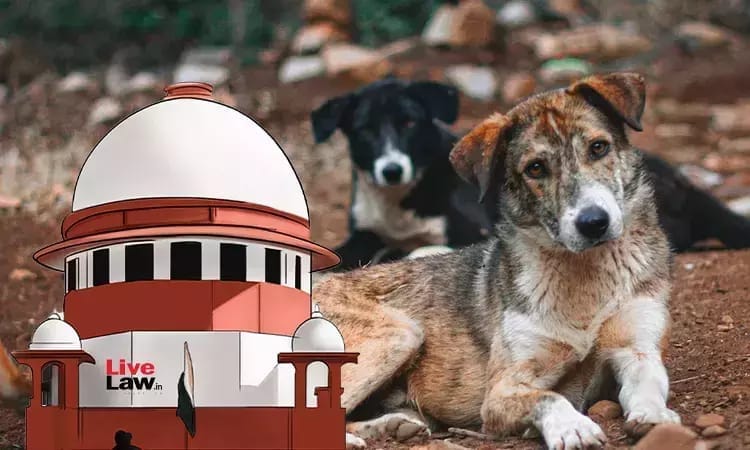

When it did not alter its earlier order, the apex court still gave new directions to the States and Union Territories for urgent execution, kind of like, right away.
Some of the main points are like this.
1. One ABC Centre in every district
The States were asked to set up at least one well functioning Animal Birth Control centre in each district, with proper veterinary setup and trained manpower.
2. Sterilisation and vaccination within set timelines
The court ordered major sterilisation efforts along with anti-rabies vaccination drives, with constant oversight and reporting systems, no delays.
3. Anti-rabies vaccines should be on hand
Government hospitals, plus medical centres, must keep enough supplies of anti-rabies vaccines and immunoglobulin injections.
4. Safeguard for the officials involved
Officials who carry out stray dog removal directions should get protection against harassment, and also from unnecessary criminal complaints.
5. Tight, strict monitoring
The court also hinted that High Courts should watch progress, using suo motu proceedings wherever it becomes necessary.
The Positive Side of the Verdict
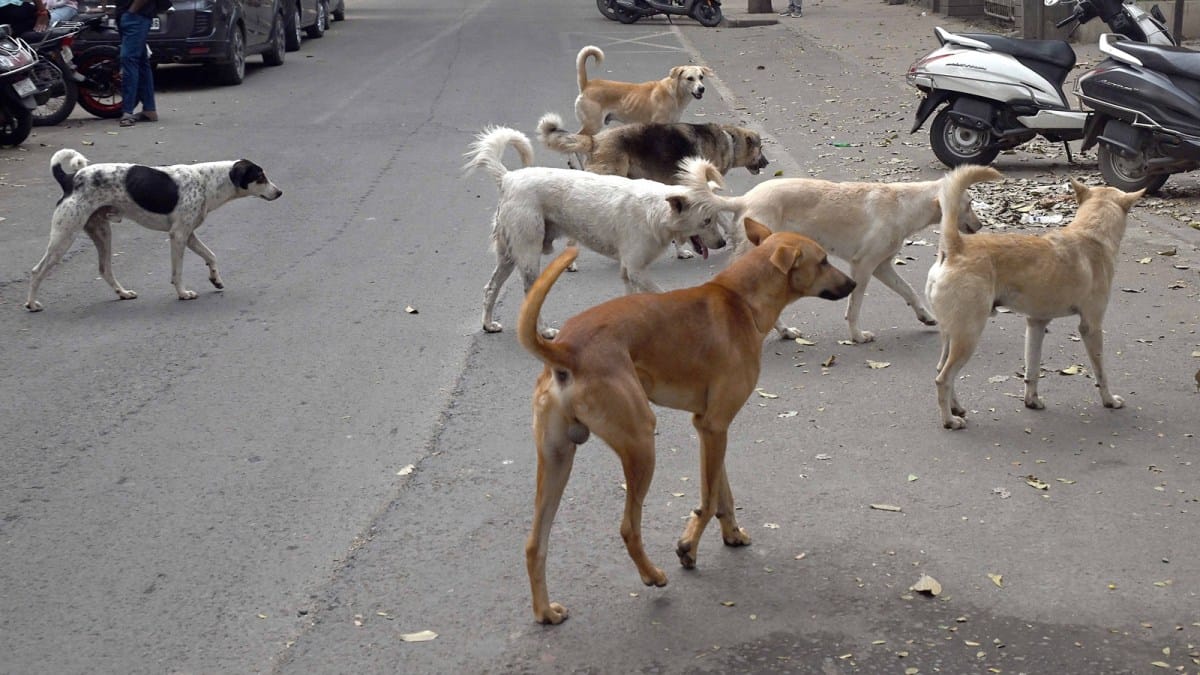

The Supreme Court’s decision has been welcomed by many resident welfare associations, parents and public health experts.
Public Safety Gets Priority
Supporters argue that children, elderly citizens and pedestrians often face danger from aggressive stray dogs, especially in urban areas.
Focus on Scientific Population Control
The order pushes governments toward long-term sterilisation and vaccination instead of temporary or reactionary measures.
Strong Accountability for States
The judgment highlights administrative failures and pressures local bodies to act responsibly.
Better Rabies Prevention
India records one of the world’s highest rabies burdens, and improved vaccination drives could reduce fatalities significantly.
Concerns and Criticism
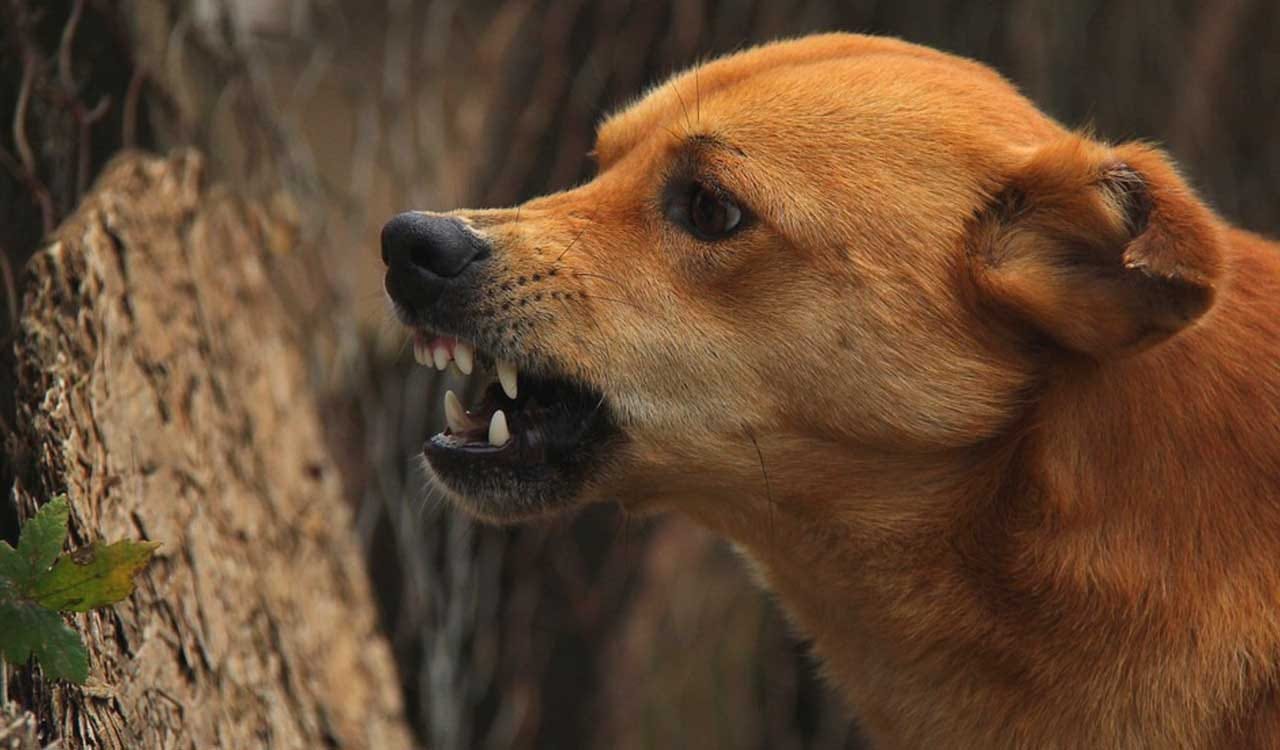

Still the ruling has lifted some serious ethical as well as practical headaches.
Lack of Shelter infrastructure
Most Indian cities, right now, don’t have enough proper dog shelters and veterinary support, not really in the way that would be expected.
Fear of Cruelty and Illegal Relocation
Groups working on animal welfare are worried about random capture and then a kind of inhumane handling of dogs, especially if the municipal teams are not properly equipped . They say it could happen in a sloppy, unlawful way.
Ecological Imbalance
Some experts claim that if sterilised dogs are suddenly taken out this may leave a territorial gap and then fresh unsterilised dogs might just move in, like the whole area is suddenly open.
Funding and Implementation Challenges
Also sterilisation drives need huge money and admin effort from the states even though many of them are already stretched thin with urban projects and basic infrastructure.
The Way Forward
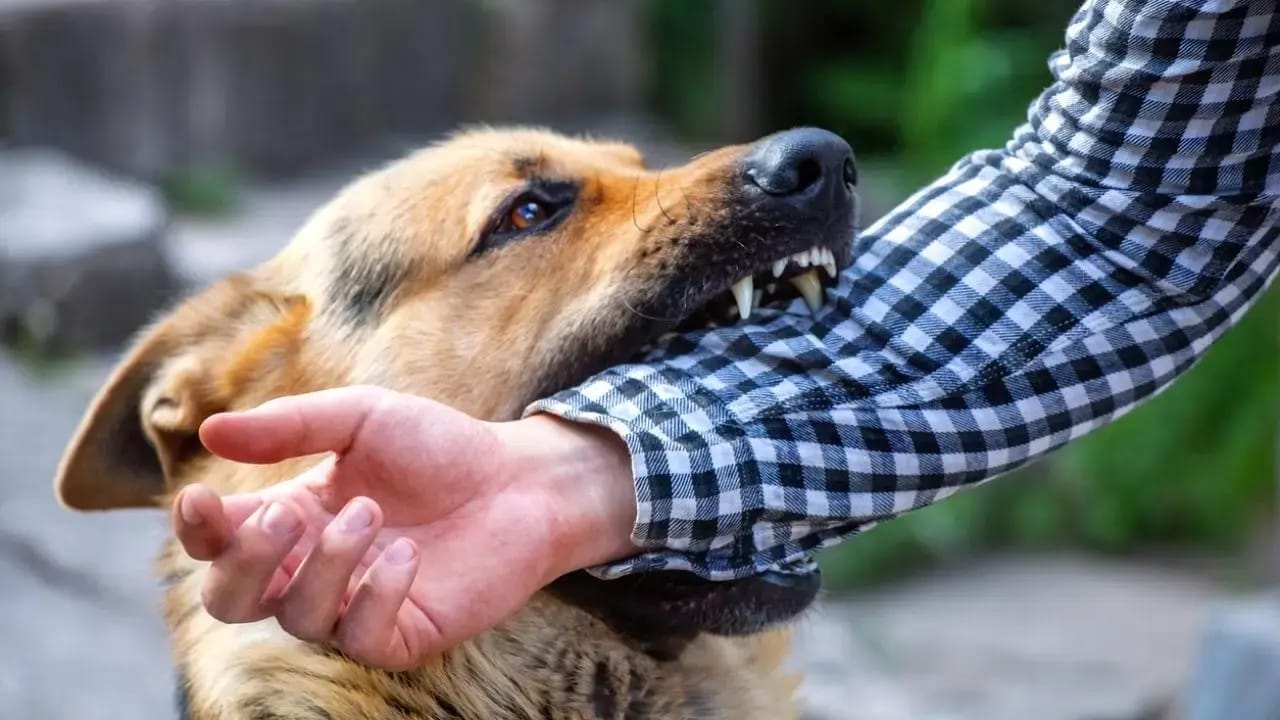

So, the stray dog issue just can’t be fixed by emotional reactions only, neither by unchecked street feeding, nor by indiscriminate relocation drives. India really needs a balanced , humane and scientific policy overall.
The actual way forward is where things line up like, and basically it comes down to:
- Nationwide sterilisation campaigns
- Strong anti-rabies vaccination networks
- Building modern shelters
- Public awareness
- Responsible pet ownership
- Waste management reforms
And coordinated action between municipalities, animal welfare groups and local communities.
The Supreme Court has in effect reminded governments that delays in implementation have turned what could’ve been managed into a bigger national crisis. Now the challenge isn’t just about enforcing court orders , it’s about building something sustainable so it protects both human safety and animal welfare, at the same time.
Conclusion
The Supreme Court’s latest stand on stray dogs is basically one of the more forceful judicial moves on city public safety and animal welfare in the last few years. By not softening its November directions even after protests, and also after fresh pleas, the court has, really, sent a fairly direct signal that citizens’ safety cannot be brushed aside. Still, the ruling also acknowledges the need for humane handling and scientific management not cruelty or sudden, panic driven action. So India is now at a critical crossroad, where compassion for animals and public safety have to move together , not fight each other.
Members Discussion