National Politics
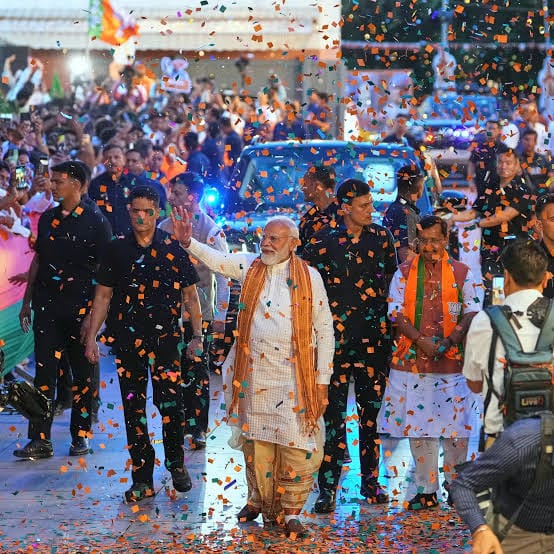

The electoral victory of the Bharatiya Janata Party in West Bengal shows that their party development process together with their political strategies and their understanding of voter needs have changed the existing political system.
The Lotus blooms in West Bengal!
— Narendra Modi (@narendramodi) May 4, 2026
The 2026 West Bengal Assembly Elections will be remembered forever. People's power has prevailed and BJP's politics of good governance has triumphed. I bow to each and every person of West Bengal.
The people have given a spectacular mandate to…
The Bharatiya Janata Party (BJP) under Prime Minister Narendra Modi and Home Minister Amit Shah has achieved its first electoral victory which has created a new political situation in West Bengal. The results from the latest electoral cycle which followed the 2024 Indian General Election show that voters turned away from the All India Trinamool Congress (TMC) party which Chief Minister Mamata Banerjee leads. The BJP has achieved electoral success through a ten-year period of building local support systems and operating their voting stations while creating connections with their supporters who desire better development and governance and political shifts. The results create essential issues which impact how the government operates and how the opposition directs its activities which will determine the upcoming developments in Bengal politics.
A Decade of Preparation Pays Off
The BJP has built its current presence in Bengal through ten years of continuous work to expand its presence across the state. After the 2021 Assembly elections and other previous elections which brought the party setbacks, the BJP started new strategy which concentrated on managing polling places and building its base and developing specific neighborhood communication methods.
BJP’s record win in West Bengal would not be possible without the efforts and struggles of countless Karyakartas over generations. I salute them all. For years, they have worked hard on the ground, overcome all sorts of adversities and spoken about our development agenda. They…
— Narendra Modi (@narendramodi) May 4, 2026
Amit Shah established himself as a modern Chanakya through his frequent trips to Bengal which he used to control electoral strategy development. The political movement changed its focus from general ideological outreach to direct voter contacts and government welfare programs and development of local leaders.
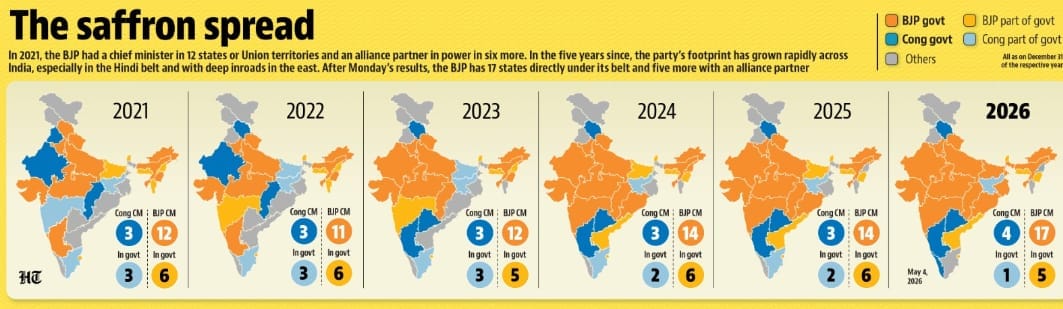
The electoral benefits from our extensive planning show permanent organizational change which extends beyond temporary election success.
Leadership Factor and Emerging Faces
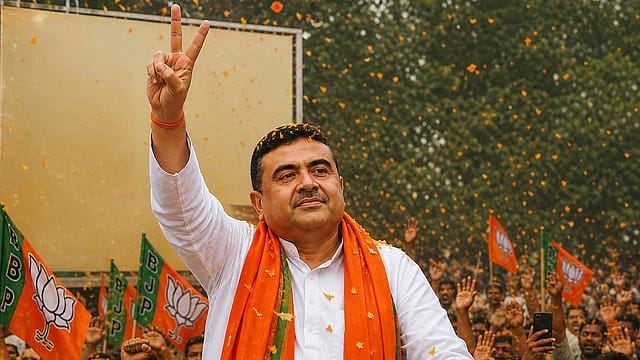

The BJP has achieved this success because of its ability to showcase powerful local leaders from various regions. Suvendu Adhikari has become the power centre in Bengal politics who represents the party's presence in the region. His ability to challenge the whole TMC leadership has elevated his stature as a potential CM face for the BJP in the state.
The BJP uses its approach which combines national leader appeal with trustworthy local candidates to achieve effective communication between central messaging and regional public expectations.
Why TMC Faltered: Key Factors
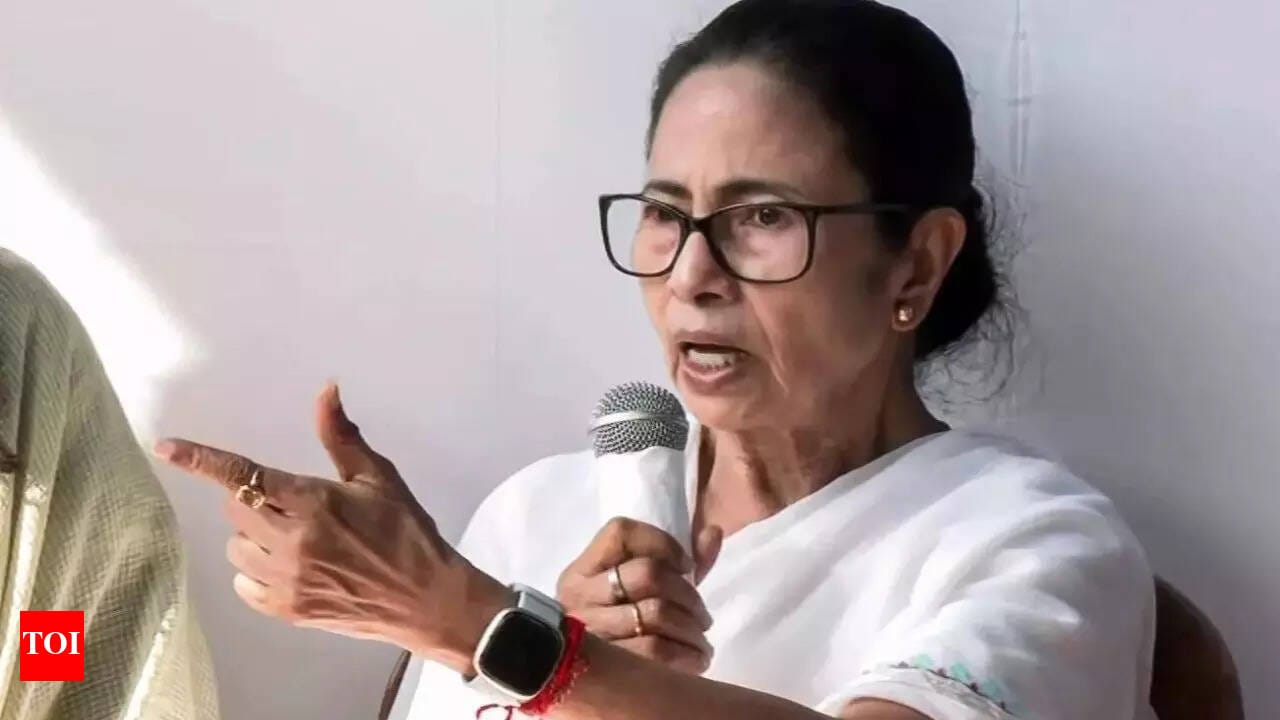

The electoral setback for the All India Trinamool Congress can be attributed to multiple factors:
1. Governance Concerns
Allegations of governance failure, bureaucratic inefficiencies and the influence of local syndicates created a perception gap between the government and the people.
2. Corruption Allegations
Issues such as the teacher recruitment scam and controversies like the RG Kar case gained significant public attention impacting the credibility of the ruling dispensation.
3. Law and Order Perception
An “atmosphere of fear” narrative highlighted by opposition campaigns resonated with sections of voters particularly in semi-urban and rural belts.
4. Strategic Complacency
Analysts suggest that lessons from the 2021 Assembly elections were not fully internalized. The TMC’s reliance on past electoral success may have limited its responsiveness to changing voter expectations.
Political Reactions and Institutional Questions
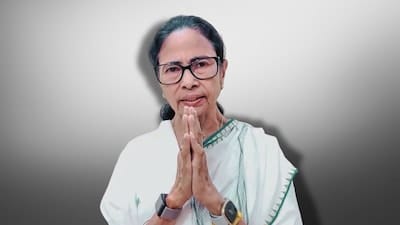

Mamata Banerjee raised her concerns about central forces and Election Commission of India operations after the election results. She accused the commission of conducting election process violations.
The claims have political importance because they demonstrate the growing battle for institutional credibility within India's electoral democratic system. The upcoming weeks will show whether these issues lead to legal disputes or political problems.
Her decision to remain in office shows that political conflict will continue because the TMC intends to become a major opposition party in the state.
A New Political Order in Bengal
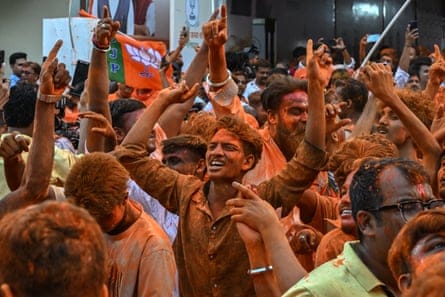

The results show that West Bengal now has a bipolar political system which replaces its previous single party dominance. The BJP's growth has made Bengal into a competitive political field which shows the same trend that exists across India.
This "different political order" reflects
- Increased voter mobility
- Decline of traditional vote banks
- Rising importance of development narratives.
Big Aspirations: What Voters Expect
The electorate’s message is clear aspirations have evolved. Employment, Industry, infrastructure and governance reforms are now central to voter expectations.
For the BJP the mandate comes with responsibility:
- Deliver on promises of industrial revival
- Generate employment opportunities
- Improve law and order
- Ensure transparent governance
Failure to meet these expectations could quickly erode the gains.
Way Forward: Governance Will Define the Next Phase


The BJP’s decisive win is only the beginning. Sustaining political dominance in Bengal will require:
- Inclusive governance that cuts across social divisions
- Economic revival, especially attracting industries back to the state
- Administrative reforms to improve service delivery
- Political stability, avoiding excessive polarization
At the same time the TMC’s future strategy will be crucial in shaping Bengal’s opposition politics. A strong opposition is essential for democratic balance.
Conclusion: Beyond Victory, A Test of Governance
The BJP gained its first victory in West Bengal which created a fundamental change in political patterns yet historical evidence shows that electoral wins last only as long as the subsequent governance. The state exists at a critical point which offers two options: political change or immediate development needs.
The voters want to see two things which represent their most basic requirement:
- They want to see all slogans become actual solutions while all promises become proven results.
- The actual situation in Bengal will develop its new phase because its actual events will determine its path rather than election outcomes which people use as their main assessment.
Members Discussion