Sports
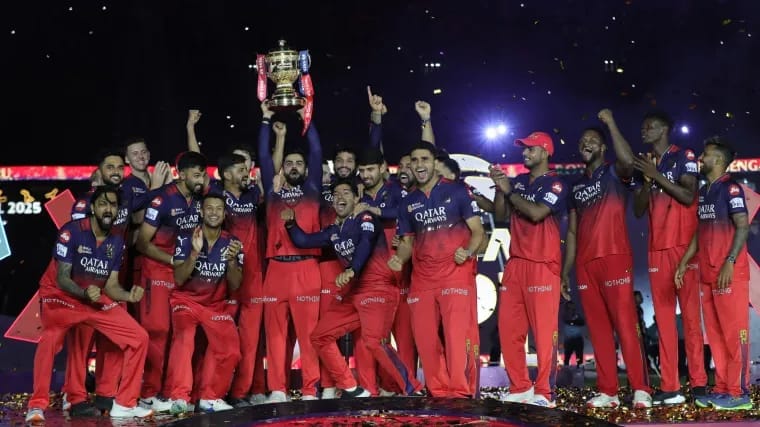

Back-to-back champions, they hold the IPL crown too and also the WPL crown, and now Royal Challengers Bengaluru are trying to pull off a historic hat-trick. Somehow it feels like the side has shifted from a squad powered by stars into the most complete team, in all of world franchise cricket, really.
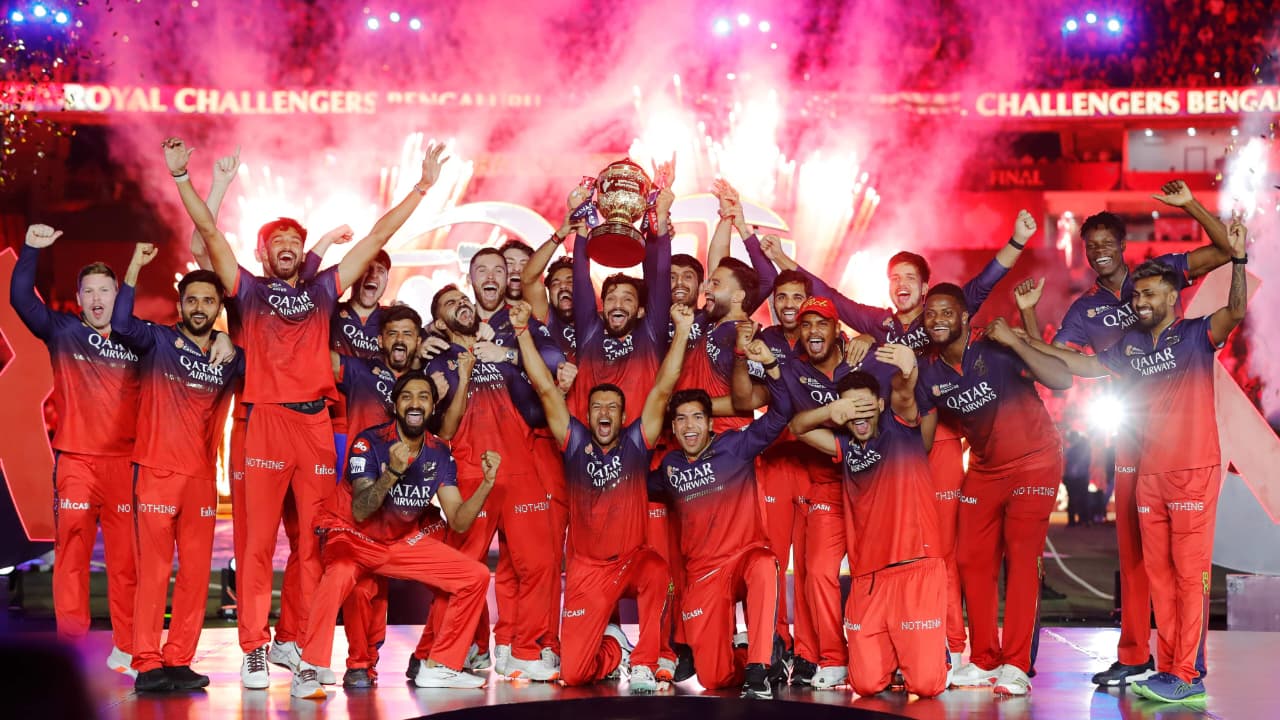

The Indian Premier League 2026 wrapped up with loud fireworks, big celebrations, and then a kind of defining line from Royal Challengers Bengaluru (RCB). They beat Gujarat Titans by five wickets at the Narendra Modi Stadium in Ahmedabad , defending their crown, and finishing their second straight IPL title. With that result, RCB joined a pretty small set, sitting in the same elite company as Chennai Super Kings and Mumbai Indians, becoming only the third franchise in IPL history to successfully defend its championship.
At the very same time, RCB also reached a standout milestone by being the holders of both the men’s IPL title and the Women’s Premier League (WPL) title. That achievement basically points to the franchise getting more and more dominant across formats.
After the closing ceremony fun, celebrations continued, and wicketkeeper-batter Jitesh Sharma put the team’s ambition into one line, “the goal is now to return next season and become the first team to win three IPL titles in a row.”
A final that sort of showed the whole season
The IPL 2026 final was not just a win, it felt like a mirror of what RCB kept building over the past five years or so. Gujarat Titans ended up on 155/8 and that was largely because RCB’s bowling stayed disciplined and the swing was led by Rasikh Salam Dar, Josh Hazlewood, and Bhuvneshwar Kumar. Then RCB went for the chase in 18 overs pretty smoothly with Virat Kohli not getting out on 75 and he also logged one of the quicker fifties of his IPL career. The chase never really looked like it was slipping out of control, and that steadiness, it sort of matched the new attitude RCB has now.
This time around unlike earlier seasons where RCB often leaned too much on one or two headline superstars the 2026 run showed a group that could win through several contributors. Everyone seemed to have a defined place in the setup and most of the departments delivered in a consistent way all through the tournament.
The Five-Year Transformation
Honestly, the biggest story behind RCB’s success isn’t really that trophy on its own, it’s the messy, sustained process that somehow got them there.
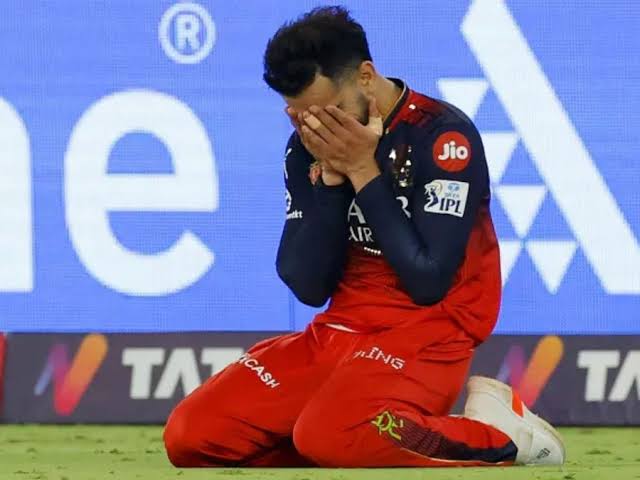

For a while, RCB had plenty of star power but it still didn’t feel balanced. The franchise kept getting criticised for leaning too hard on individual brilliance like yes sure, but also kind a too much. Then over the last five seasons, there’s been a real shift in mindset not just a small tweak. The management started backing data-driven auction plans, role-based selections and yes, going after depth instead of only stacking marquee names.
The recruitment group also started treating things a bit differently, match-up thinking mattered, venue specific planning mattered, and the statistical analysis angle became more central than before. Rather than just assembling a playing XI they shaped a squad that could absorb injuries, dips in form and even the constant changing conditions. So basically, they ended up with genuine options, from every department, not just one or two positions.
All of that planning showed up clearly in IPL 2026. Injuries happened, rotations happened, yet the side never really got thrown off in a big way.
The Bowling Revolution
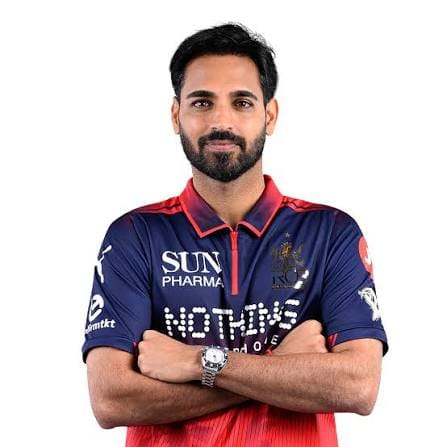

If there is one department that kind of defines modern RCB it is bowling, not even kidding.
Back then, historically, RCB were known for explosive batting while their bowling looked a bit vulnerable. But now the whole story flipped. Their pace attack, guided by Josh Hazlewood and Bhuvneshwar Kumar, keeps controlling the powerplays and also the death overs. And in the middle of it you start seeing bowlers stepping up, Rasikh Salam Dar for instance, giving early pressure strikes and making the situations feel tight, almost claustrophobic. Even the spin crew stayed on the rails, maintaining control through middle overs, and not letting the momentum wander too far.
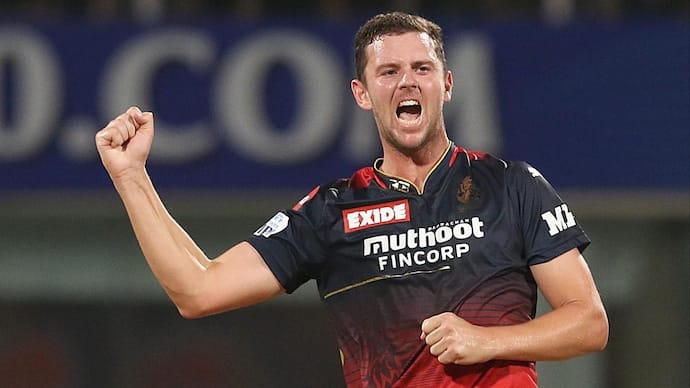

Across the tournament, RCB’s bowlers repeatedly defended reasonable totals, and they managed to hold back opposition batting lineups. The final was similar, with Gujarat’s strong batting order unable to get past 155 runs, full stop.
So a lot of analysts now see this as one of the most well balanced bowling units RCB have assembled.
A Batting Unit Without Collapse
Honestly, the batting line-up looked really sturdy too, not just flashy.
One of the clearest things you could notice in RCB’s batting this season was how little panic showed up. Whether they were chasing or trying to set totals, the team almost never went into those big, sudden collapses that used to trouble earlier versions of the franchise.
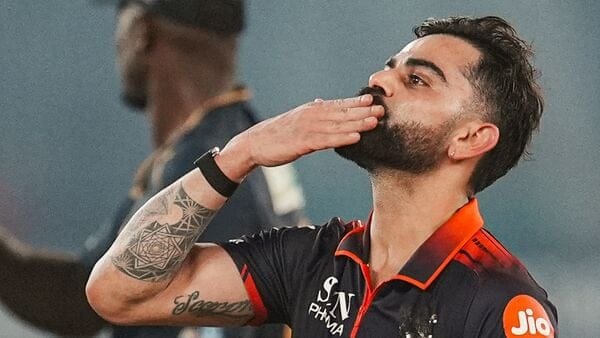

Virat Kohli kept being the emotional center, yet the batting burden didn’t sit on him alone. The responsibility was spread pretty evenly through the order, and contributions arrived from more than one player. That meant if a wicket went, the whole innings didn’t just fall apart. Partnerships also kept appearing again and again, and that middle-order stability helped them deal with pressure moments, without overreacting.
The last chase against Gujarat Titans made it easy to see the maturity. Even when wickets started dropping, there wasn’t that frantic feeling. Each batter, somehow, seemed to understand what he was supposed to do and which game plan mattered most.
Leadership, Coaching and a Winning Mindset
Championship teams are rarely built on pure talent just like that.
RCB’s results, if you look closely, are really the product of leadership clarity, coaching structures that are actually strong, and a culture that prefers preparation over empty hype. Captain Rajat Patidar kept projecting a steady kind of calm all through the season and the coaching group made sure everyone stayed on execution not getting pulled into outside expectations.
After the final Virat Kohli even said that this team felt different because there was less pressure and more belief inside the dressing room. That self-assurance didn’t appear from nowhere it was forged through deliberate practice, squad depth and trust in the system instead of relying on individual heroics every single time.
What This Victory Means
RCB’s second consecutive title i guess it means way more than yet another trophy.
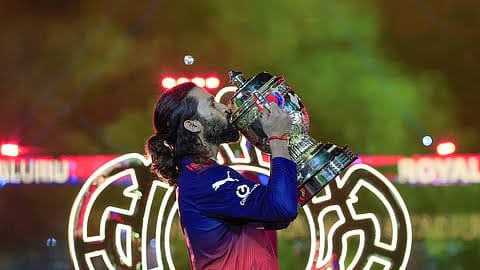

For almost twenty years, this franchise carried a reputation for being talented but still failing at the key moments. And the move from those repeated heartbreaks , to consecutive championships … it shows something larger too about modern sports management: real, lasting success is made with deliberate planning, slow patience, smart analytics, and a clear focus on where you’re going.
This win also signals a cultural shift. RCB aren’t just one of the IPL’s most talked about, fan-favorite teams anymore. They’re also one of the league’s most successful, and professionally built organizations.
Plus, holding both the IPL and WPL trophies at the same time, that just makes their standing even stronger as a kind of benchmark franchise in Indian franchise cricket.
The Road Ahead, a historic hat trick
The celebrations might have just started but RCBs attention is already drifting toward what comes later.
After the match, the remarks from players and management all sort of circled the same idea, a need to come back sharper next season. The storyline now feels bigger than just defending a trophy. The real aim is history itself, becoming the first franchise that wins three straight IPL championships.
With a settled core a top tier bowling unit, a well tuned batting order, and a firm management framework , RCB will step into IPL 2027 as favourites again.
Conclusion
For years , "Ee Sala Cup Namde" somehow kept being this symbol of hope. But now it sort of means achievement instead.
RCB’s triumph in IPL 2026 isnt just the usual tale of a side winning a cricket tournament. It’s more like the narrative of a franchise that absorbed failure, kept trusting a long term vision, leaned into analytics , built real squad depth, and then formed a winning culture that stuck.
The first title broke an 18-year wait and in a way it also reset everything. The second one, honestly felt like proof that it wasn’t just luck.
So now with the IPL trophy in hand, the WPL trophy too and the ambition of a historic hat trick, Royal Challengers Bengaluru are standing at the start of what might become the franchise’s most successful chapter ever.
Members Discussion