National Politics
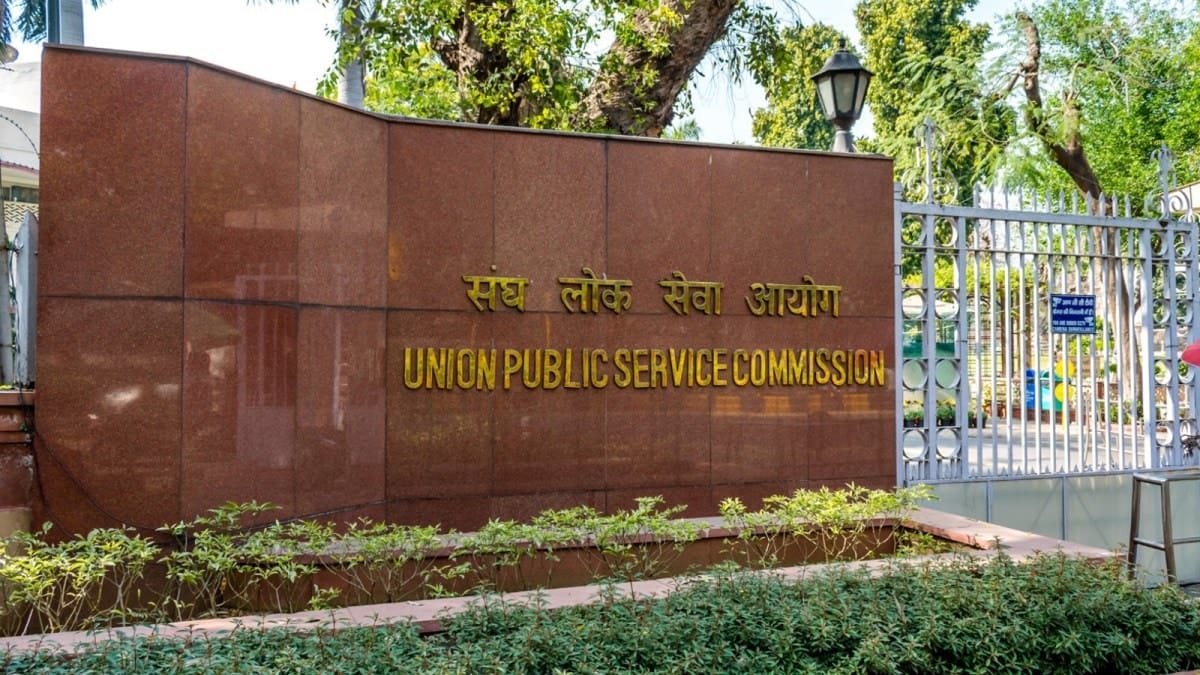

The Union Public Service Commission’s (UPSC) Civil Services Preliminary Examination 2026 has, somehow, become one of the most talked about and argued exams in recent years, like really. Conducted on May 24, the exam caught aspirants and coaching experts equally off guard, mainly because of its unconventional question pattern, higher analytical depth, and a structure that felt a bit unpredictable. Thousands of candidates across the country even said the paper was “unexpectedly difficult” while educators also admitted that, this time, the examination looked like a visible break from earlier trends . In a big procedural change, UPSC released the provisional answer key within days of the exam a first-of-its-kind step meant to improve transparency and let candidates raise objections early. All these factors together a tough question set plus the quick answer key release, have made UPSC 2026 one of the most discussed examinations of the year. This year 5.49 lakhs students appeared in the examination. This sudden shift in pattern leaves UPSC aspirants confused.
For years , UPSC aspirants have been leaning on trend analysis, previous year papers ,and that familiar subject weightage logic to build their preparation flow. But the 2026 prelims seemed to hit that assumption head on, like the whole thing was slightly off script.
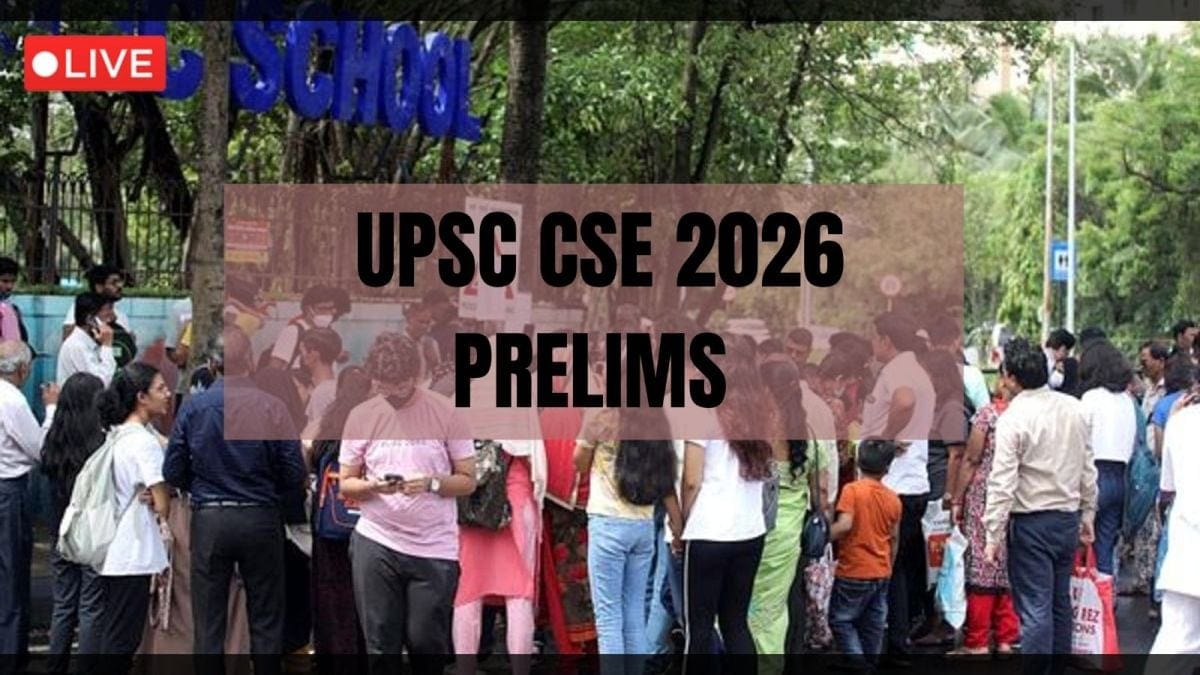

Many students said that the General Studies (GS) Paper-I felt lengthy, concept-driven, and packed with statement based questions where you had to actually grasp the idea not just memorize. A lot of candidates struggled with time management too mainly because the questions were complex and the way they were framed made things feel harder than usual. Experts basically pointed out that the exam tested more than simple recall. It wanted interpretation, elimination tactics and analytical thinking, all while you’re under pressure and trying to stay steady.
Also, several coaching institutes along with subject experts noticed that the “traditional high scoring” pockets didn’t really dominate this year. Instead, UPSC brought in a balanced but also unpredictable blend of History, International Relations, Science & Technology, Environment, and a set of conceptual current affairs. And yeah, Ancient plus Medieval History, which many aspirants usually treat as a sort of secondary zone, apparently got more attention than expected this time.
Educators Also Taken by Surprise

The sudden pattern variation did not only unsettle students it also caught educators and coaching institutes off guard. Teachers who analysed the paper called it “unconventional” and “one of the toughest in recent years.”
Experts believe UPSC is gradually moving away from rote learning and attempting to test administrative aptitude, multidimensional thinking, and real-world understanding. According to early exam analyses, the paper rewarded conceptual clarity more than memorised information.
The CSAT paper, although qualifying in nature, was also considered moderately difficult by many aspirants due to tricky comprehension passages and numerical aptitude questions.
Quick release of the answer key
One more big talking point this year was UPSC’s choice to drop the provisional answer key almost right after the exam. Earlier, answer keys were usually made public only once the full examination schedule had ended. But this time, the Commission rolled out a new system in 2026, where candidates can verify their responses and also raise objections in a limited time window.
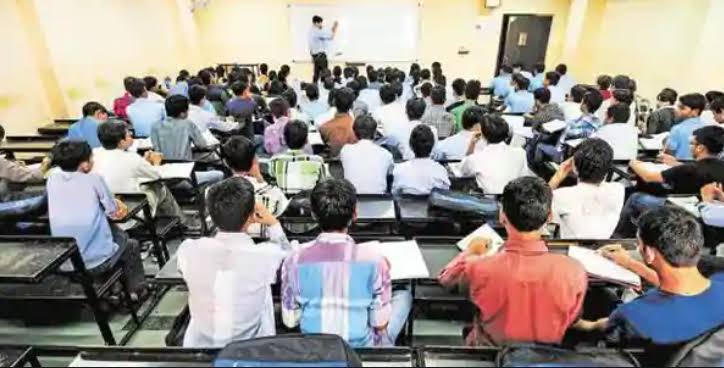

Many aspirants plus education experts have welcomed the change, they regard it as a nudge toward more transparency and stronger responsibility in the whole evaluation process. Candidates can now figure out their likely marks much sooner rather than waiting and guessing only through unofficial coaching institute keys, which is what people often do.
As per reports, more than eight lakh candidates registered for the test this year, so it stands as one of the biggest competitive examinations in the country.
What This Means for Future Aspirants
UPSC 2026 seems to have sent a pretty clear kind of message now, that preparation cannot really run only on predictable trends, or on selective studying that feels “safe”. The exam is getting closer and closer to rewarding analytical ability, deeper conceptual clarity, and interdisciplinary thinking, not just memorization or speed.
For future aspirants, the difficulty is no longer merely finishing the syllabus, it is also learning how to think critically, under pressure , in a way that stays usable when the questions feel tricky.
Conclusion
The UPSC Civil Services Examination 2026 might later be remembered as a turning point in India’s most prestigious recruitment test. Everything about this year felt different from the drastically altered question pattern to the early release of the provisional answer key. In that sense, the prelims made it look like the Commission is leaning into a new philosophy. Even if the difficult paper has left many aspirants anxious, it also quietly reinforced the UPSC reputation for unpredictability , which honestly has been there for a long time.
One thing feels certain the time of formula-based preparation seems like it is fading , and a more analytical, dynamic way of approaching the exam is turning into the new baseline for civil services aspirants.
Members Discussion