India's Privacy Law Faces Legal Challenge Over Press Freedom
Twenty-one news publishers say the DPDP Act has no safeguard for journalism. The Supreme Court has now asked the Centre to respond.

Twenty-one news publishers say the DPDP Act has no safeguard for journalism. The Supreme Court has now asked the Centre to respond.
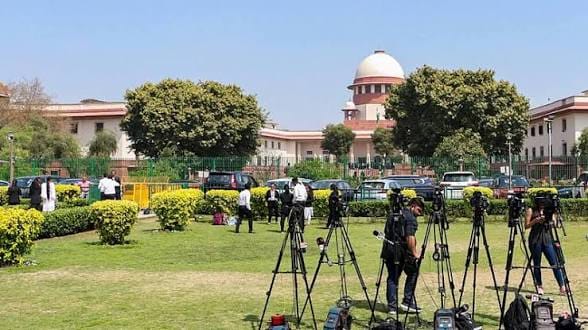
Twenty-one Indian news publishers have approached the Supreme Court challenging key provisions of the Digital Personal Data Protection (DPDP) Act, 2023, arguing that the law could restrict investigative journalism, complicate public-interest reporting and put confidential sources at risk. The petition, filed on October 6 through the Digital News Publishers Association (DNPA), is expected to come up for hearing on October 27, bringing the relationship between digital privacy and press freedom into focus.
The main complaint is that the Act has no carve-out for journalism. A reporter looking into a contract, a land deal or a campaign donation will handle personal data about people who would rather not be written about. Publishers say the provisions on consent, data erasure, and government access to information could restrict news reporting and force them to take down factual stories. If a reporter had to seek consent first, the subject of the story would learn about the inquiry early. The DNPA says this could give them time to bury records or pressure witnesses.
The erasure provisions raise a different worry. A person named in an accurate, published report could use their right to withdraw consent to demand that the report be removed or heavily edited. The publishers say that without a public-interest safeguard, the archive of a news organisation becomes open to challenge. These are the petitioners’ arguments, and the Court has not ruled on any of them. Most of the Act’s core duties are due to apply from May 2027, so there is some time before the question becomes a live one.
Sources: Reuters | Inc42 | BestMediaInfo
The petition also takes aim at the government’s power to demand information from organisations that hold personal data. A newsroom’s notes, contact lists and recordings may identify the people who gave it information. The publishers argue that a broad power to demand such material could expose whistleblowers, and that people with something to report would then think twice about coming forward. This matters most in stories about powerful officials, companies or political figures.
On Tuesday, the Supreme Court sought the Centre’s response to the petition. This is the first step in the case, and the Court has not made a final decision. The question has been before the Court before. In February 2026, it issued notice in the Reporters’ Collective challenge and did not stay the law. The newest petition gives the Court a second, more focused look at how privacy protection and public-interest reporting can coexist. telanganatoday
Sources: Telangana Today | Deccan Herald | LawBeat | Internet Freedom Foundation
Also read: Israel Votes as Netanyahu’s Future Hangs in the Balance
Explore our upcoming features, author interviews, and deep-dives into new policy reforms.