Israel Votes as Netanyahu’s Future Hangs in the Balance
Israel votes today in its first election since October 7, with final polls putting Eisenkot’s bloc ahead of Netanyahu’s but both short of the 61 seats needed, pointing to long coalition talks.

Israel votes today in its first election since October 7, with final polls putting Eisenkot’s bloc ahead of Netanyahu’s but both short of the 61 seats needed, pointing to long coalition talks.
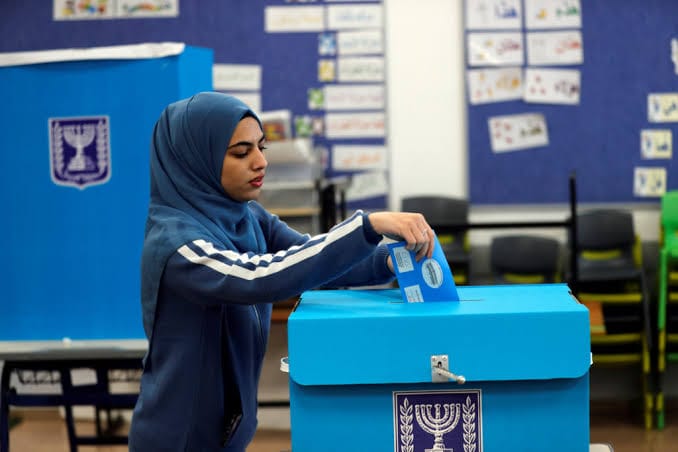
Israelis are voting today to fill the 120-seat Knesset, the first national election since the Hamas-led attack of October 7, 2023. Prime Minister Benjamin Netanyahu, the country's longest-serving leader, is seeking another term despite his corruption trial and the security failures that surrounded the attack. His main challenger is Gadi Eisenkot, a former military chief who leads the new centrist Yashar party. Former prime ministers Naftali Bennett and Yair Lapid are running together as Together, while Avigdor Lieberman and Democrats leader Yair Golan lead their own parties. Parties need 3.25 per cent of the national vote to win seats, and a government needs 61.
The final television polls last week put Eisenkot's bloc ahead, but not by enough. Channels 12 and 13 and public broadcaster Kan gave it between 52 and 56 seats against 50 for Netanyahu's camp, and a combined reading put Yashar first with about 22 seats to Likud's 20. Neither side reaches 61. The Arab parties are projected to win 14 to 16 seats, which could make them pivotal, though Eisenkot has ruled out relying on them and Lieberman refuses to sit alongside them. Several small parties are close to the threshold, so who clears it could decide the balance.
Three domestic questions dominate. The first is military service for ultra-Orthodox men, which Netanyahu's Haredi allies want to protect and Eisenkot has promised to end. The second is the judicial overhaul, with laws on judicial appointments and the attorney general's powers due to take effect after the election and most of the opposition pledging to reverse them. The third is accountability for October 7, where Eisenkot promises a state commission of inquiry and Netanyahu has proposed a government-led one. On the Palestinian question, Al Jazeera and the Times of India both note that the leading blocs differ little, with neither offering a route to a Palestinian state.
The BBC points out that Israel votes a week before American midterms, and the two contests are linked by the war with Iran. Netanyahu has used the campaign to talk up fresh strikes on Iran, while Donald Trump has endorsed him and said America would not want to do the work itself under another leader. Eisenkot supports action against Iran but has warned against escalating for political ends. About half a million Israelis hold American passports and can vote in both elections.
Voting ends at 10 pm local time, when television channels publish exit polls. The final tally is expected by October 30 and official results on November 4. President Isaac Herzog will then consult party leaders and pick a candidate, who has up to 42 days to form a coalition. If nobody succeeds, another election is called.
Also read- ISRO to Develop 4 Launch Pads by 2029 Amidst Privatisation Concerns
Explore our upcoming features, author interviews, and deep-dives into new policy reforms.