ISRO to Develop 4 Launch Pads by 2029 Amidst Privatisation Concerns
ISRO plans four launch pads by 2029. Read about the new facilities, key space achievements under V. Narayanan, and the role of private companies.

ISRO plans four launch pads by 2029. Read about the new facilities, key space achievements under V. Narayanan, and the role of private companies.
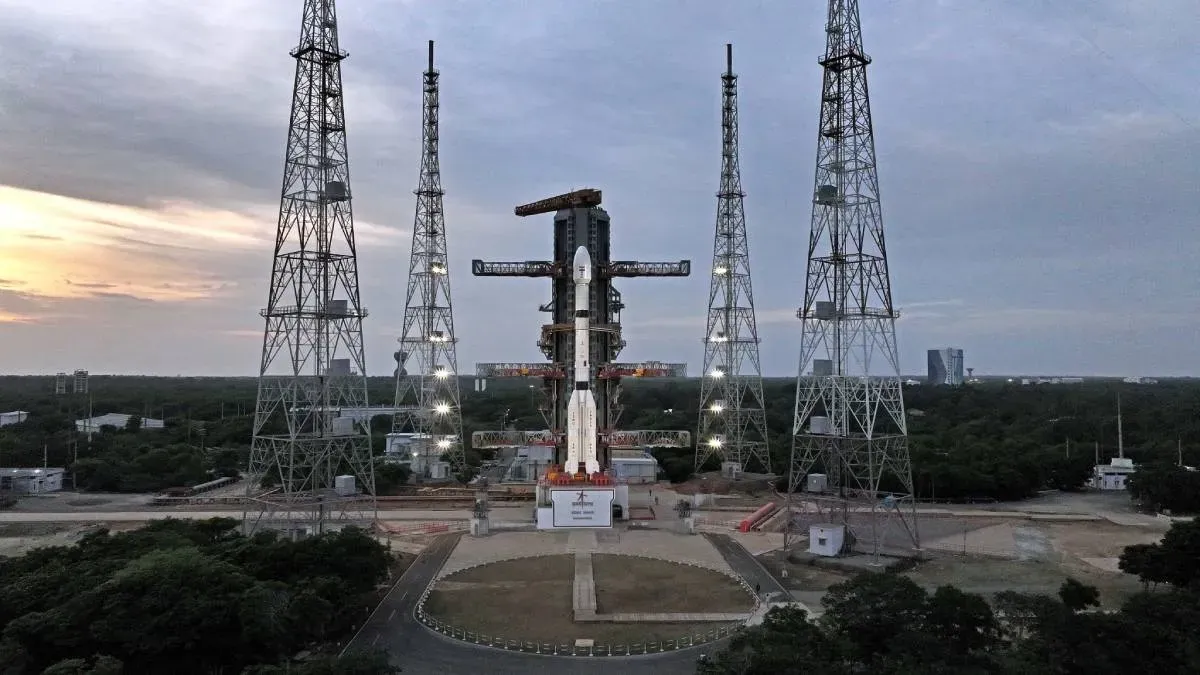
India is preparing to expand its space launch infrastructure, with the Indian Space Research Organisation (ISRO) aiming to have four functional launch pads by 2029. ISRO chairman V. Narayanan announced a plan that will include a new launch pad at Sriharikota (Andhra Pradesh) and a launch complex for the Small Satellite Launch Vehicle (SSLV) at Kulasekarapattinam (Tamil Nadu).
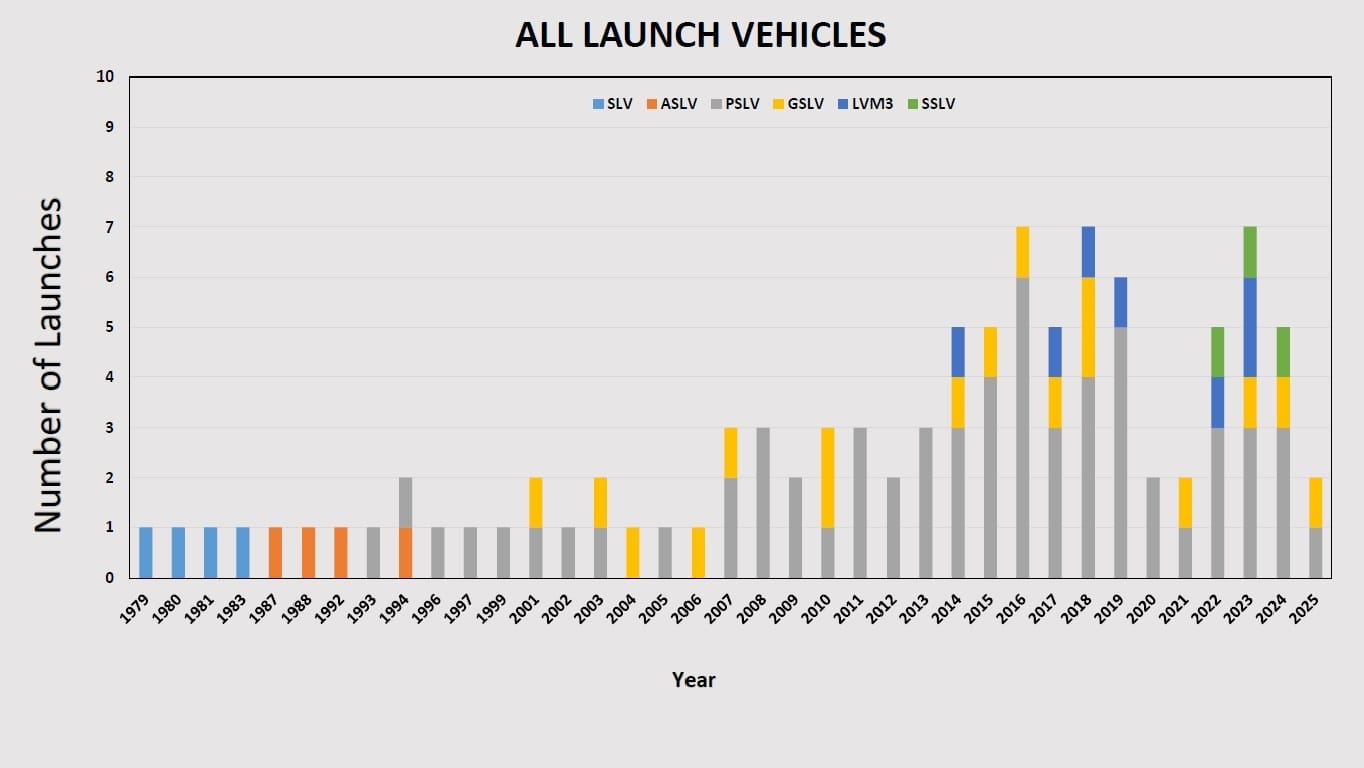
Currently, India has two operational launch pads that launch most of the Indian space satellites, at Satish Dhawan Space Centre, Sriharikotta (SHAR), near Chennai, Andhra Pradesh. But addressing a private university's convocation at Porur, Narayanan reportedly confirmed plans to build a Third Launch Pad (TLP) there—which ISRO had earlier reported as approved in the Union Cabinet budget for ₹4000 crores—along with a 2000-acre dedicated SSLV launch complex at Kulasekarapattinam. (Credit: News on Air)
The SHAR launch pad is targeted at a 2029–30 timeframe, while the SSLV Launch Complex might be earlier, in the 2026–27 timeframe. Reportedly, the first developmental flight of the NGLV from TLP is planned for the 2031–32 timeframe, whereas SSLV launches are expected for the 2027–28 timeframe. (Credit: PIB)
While Narayanan affirmed that ISRO would not become entirely privatised, partnering with private firms would only aid India's space research capacity, especially considering the rapid international progress in this field.
"We are bringing Indian start-ups and private companies into some operations, as there is a high demand to launch thousands of satellites. ISRO will handhold them so that the country's economy will get a boost, and it would help create more jobs for engineers"
—Narayanan, at his Porur address (Credit: Times of India)
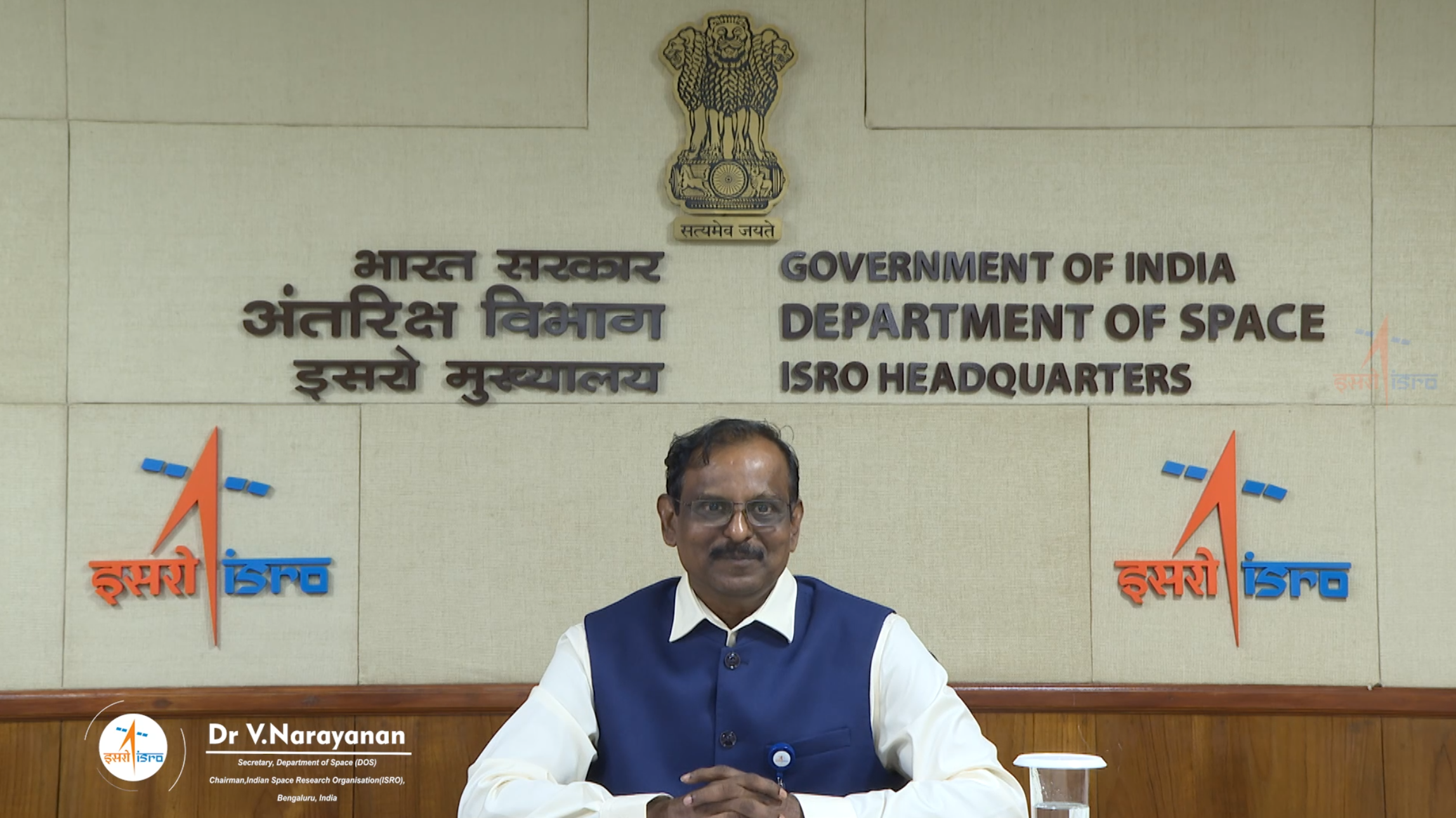
Since V. Narayana assumed office as ISRO chairman on January 13th, 2025, India's space programme has recorded as many as 231 accomplishments (Credit: ISRO), including, but not limited to:
The planned facilities, alongside advances in space missions and semiconductor technology, reflect India's wider ambitions in space exploration, and the success of these plans will depend on timely and continual technological developments.
Also read: ISRO-ESA Deal Gives India’s Space Programme A Powerful Boost
Explore our upcoming features, author interviews, and deep-dives into new policy reforms.