Cyclone Arnab Threatens India as Coastal States Brace for Landfall
Cyclone Arnab threatens India's eastern coast, bringing heavy rainfall, powerful winds, and flooding risks. Find out which states are at risk and how to stay safe.

Cyclone Arnab threatens India's eastern coast, bringing heavy rainfall, powerful winds, and flooding risks. Find out which states are at risk and how to stay safe.

Cyclone Arnab is gathering strength over the Bay of Bengal, putting India's eastern coastline on alert as authorities prepare for a potentially dangerous landfall. The Indian Meteorological Department (IMD) forecasts that it will grow into a very severe cyclonic storm by October 27th. The states most at risk include Odisha, Andhra Pradesh, Andaman Islands, Telangana, and Chhattisgarh.
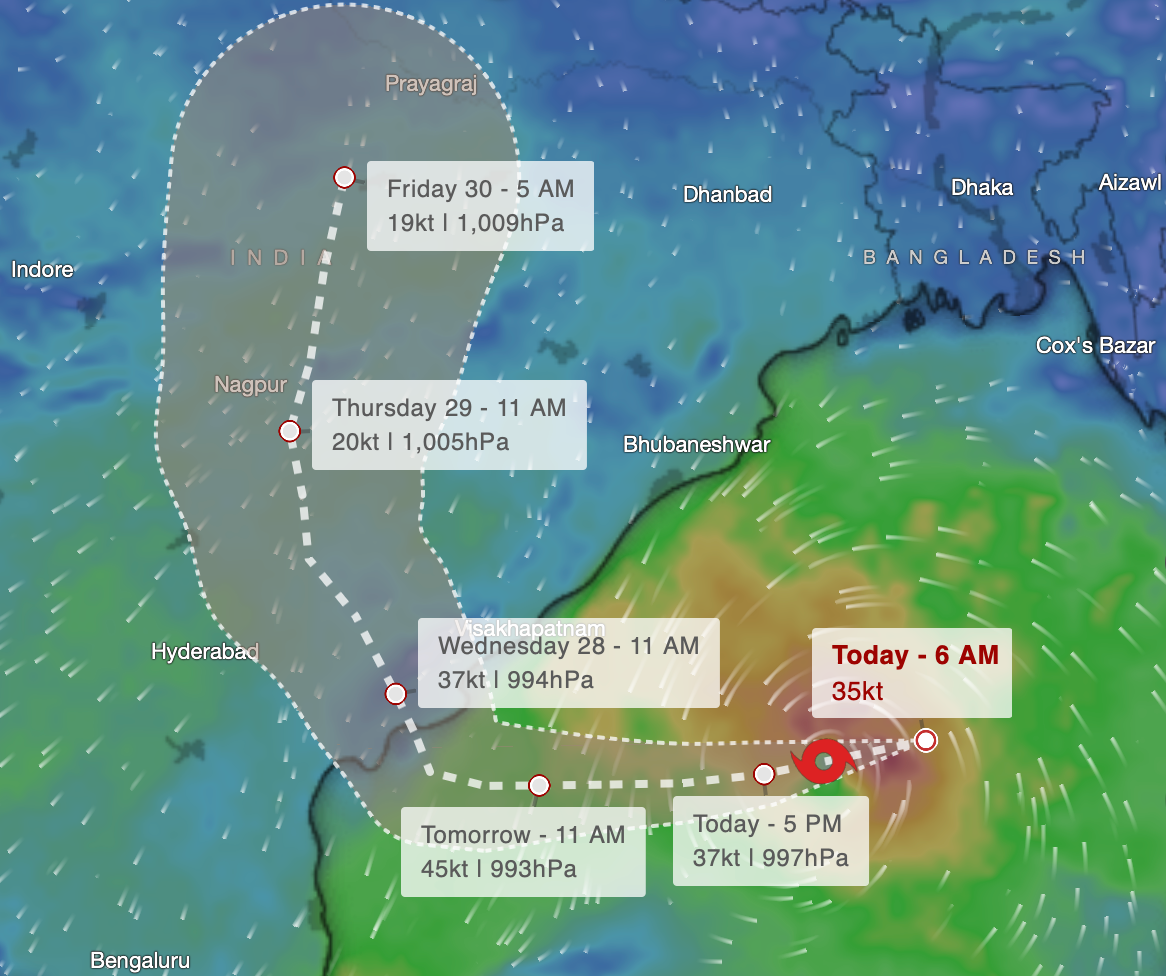
According to the National Bulletin on IMD's cyclone watch (BOB/08/2026), the storm developed over the east-central and southeast Bay of Bengal and moved westward. This movement is estimated to continue moving northwestwards and intensify into a severe storm by the forenoon of October 28th.
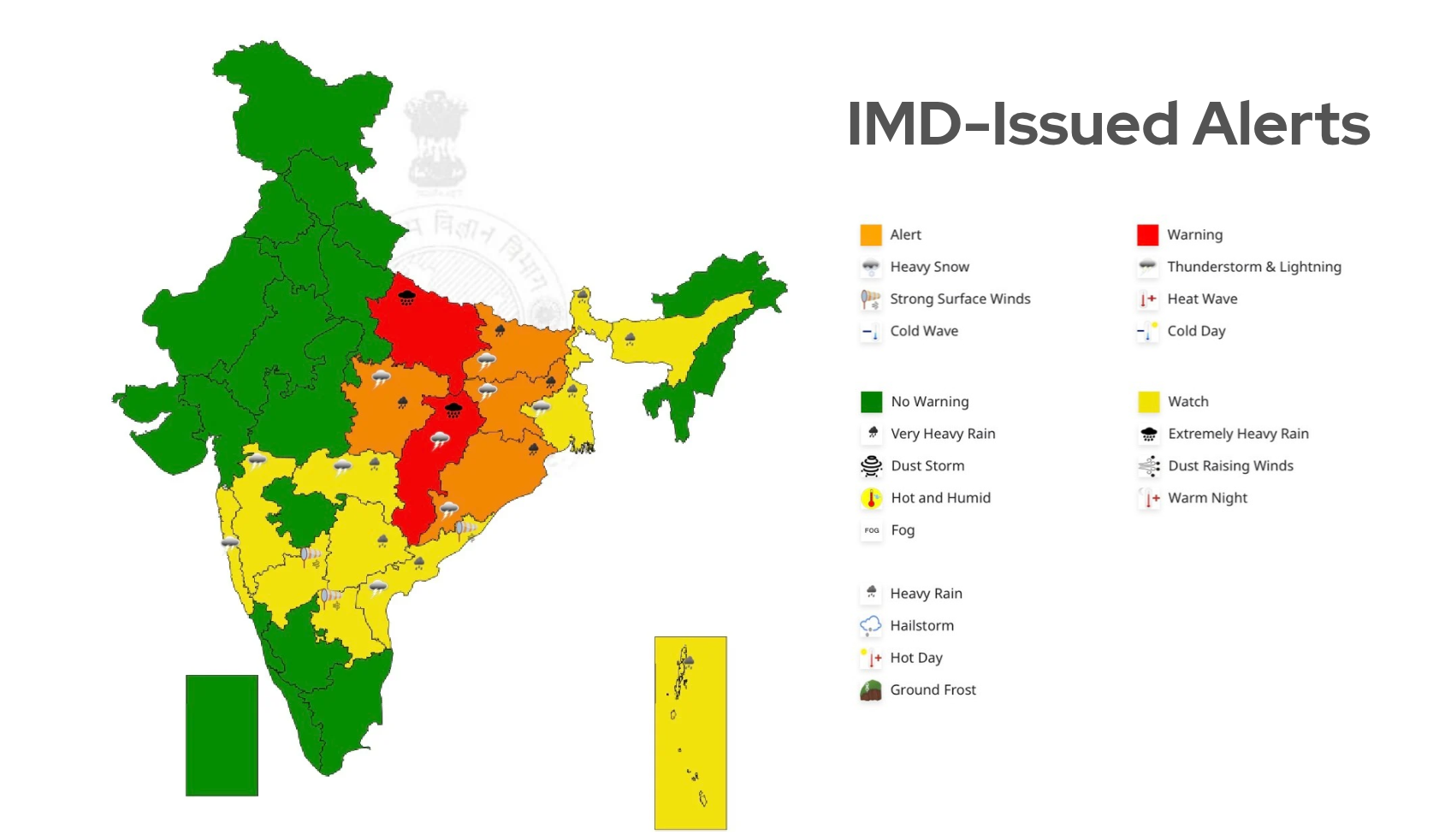
Heavy to extremely heavy rainfall is forecasted across Andhra Pradesh and Odisha on October 27–29, with isolated heavy downpours also expected in Telangana and Chhattisgarh on October 28–29. Jharkhand, Bihar, West Bengal, Vidarbha (Maharashtra), Madhya Pradesh, and eastern Uttar Pradesh may also experience heavy ranfall though October 30th.
Coastal Andhra Pradesh might face the strongest winds, while parts of southern Odisha, Chhattisgarh, and northeastern Telangana may experience gale-force conditions. Sea conditions across the Bay of Bengal are expected to worsen significantly, accompanied by a rise in seawater that could flood low-lying areas near Kakinada (Andhra Pradesh) and Yanam (Puducherry).
The IMD expects the Andaman Islands, coastal Andhra Pradesh, Odisha, Chhattisgarh, and Telangana to face the brunt of the cyclone's impacts, with potential damage to unsecured infrastructure (including total destruction of thatched houses), widespread damage to standing crops, plantations, and orchards, and even the uprooting of bushy trees.
At sea, very rough conditions could severely reduce visibility and endanger marine activities, while heavy rainfall may breach unpaved roads, flood escape routes, and cause waterlogging, which may be further exacerbated by riverine flooding. In urban areas, underground systems may be flooded, communication poles may be bent or uprooted, and traffic may be disrupted. Many of these risks may, in turn, compromise drinking water sources and sanitation. Hilly regions are also warned of landslides following the torrential downpour.
The IMD has advised a complete suspension of fishing operations in the Bay of Bengal until the storm passes, and travel by small boats has been largely deemed unsafe during this time.
Coastal residents (particularly those living in vulnerable huts) might be evacuated. When evacuation is ordered, citizens should move promptly to designated shelters and keep drinking water, essential medicines, a torch, important documents, and first aid supplies ready. Those who aren't required to evacuate should also practice caution and stay indoors.
Above all, residents in areas under cyclone warnings should follow official IMD bulletins and instructions from local authorities, rather than unverified information. Moreover, it is advisable to remain calm and avoid panic to make safer decisions during the cyclone.
Also read: Typhoon Champi leaves 1 Dead, 500 Injured as it moves towards China
Explore our upcoming features, author interviews, and deep-dives into new policy reforms.