Who Named Cyclone Arnab, and How Does It Compare With Andhra Pradesh's Worst Storms?
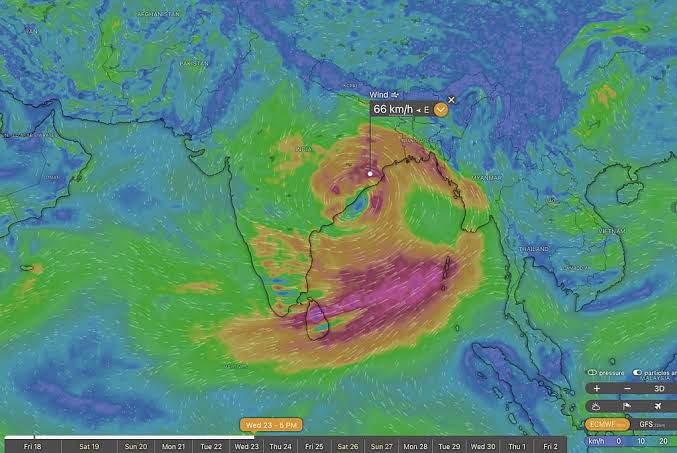
Cyclone Arnab was named by Bangladesh, yet it is heading for Andhra Pradesh. With winds forecast at up to 140 kmph, it ranks above Montha but well below 2014’s devastating Hudhud.
The cyclone's name is Arnab after Bangladesh submitted a list. It is listed in the official roster adopted by WMO/ESCAP Panel on Tropical Cyclones in April 2020 and the India Meteorological Department has given its pronunciation as “Ornab”. It is associated with the Bengali word for ocean or sea, although the official list provides the country of origin for the term, but fails to provide a formal definition. According to Odisha media, Arnab is the first cyclone to come up over the Bay of Bengal this year.
Why the Name Says Nothing About Where It Strikes
The nation proposing the name does not have control over the direction of the storm. Arnab was recommended by Bangladesh but is making its way to Andhra Pradesh coast in India as the path and intensity of a storm is influenced by the atmospheric and oceanic condition. There are 169 names with 13 given by each of 13 countries and these are used sequentially whenever a cyclone develops in the North Indian Ocean. Formerly the process's guidelines have mentioned that the names should be short, easy to broadcast and should not be culturally sensitive or open to an unintended meaning.
Stronger Than Montha, Weaker Than Hudhud
Forecast winds of 115 to 125 kmph, gusting to 140, put Arnab in the middle of recent Andhra history. NewsBytes reports it could be the eleventh very severe cyclonic storm to hit the state since 1970 and the first major one since Titli in 2018. Hudhud, which struck Visakhapatnam on October 12, 2014, was far more powerful, with winds of roughly 180 to 200 kmph according to different accounts. Deccan Chronicle puts its toll in the state at 40 and says it left Visakhapatnam without power for over a week. Michaung in 2023, which crossed near Bapatla, and Montha last October were both weaker, with winds of about 90 to 100 kmph.
Rain Can Do Damage Even When Winds Are Moderate
The record from Montha is a reminder that wind speed is only part of the story. That storm crossed near Antarvedi in Konaseema, left three people dead and damaged standing crops over about 1.5 lakh acres, according to The Tribune. Ongole alone recorded around 25 cm of rain as it made landfall, and flooding later spread into Telangana. Andhra Pradesh has been hit by 61 cyclones since 1970, per Deccan Chronicle, and its deadliest, the 1977 Diviseema cyclone, caused over 10,000 deaths.