PM's Big Naxal Warning: Armed Naxalism Over, ‘Dimagi Naxal’ Threat
PM Modi, addressing the nation from the Red Fort on India’s 80th Independence Day, declared that armed Naxalism had declined significantly while warning against “Dimagi Naxals” promoting a Naxal mindset.
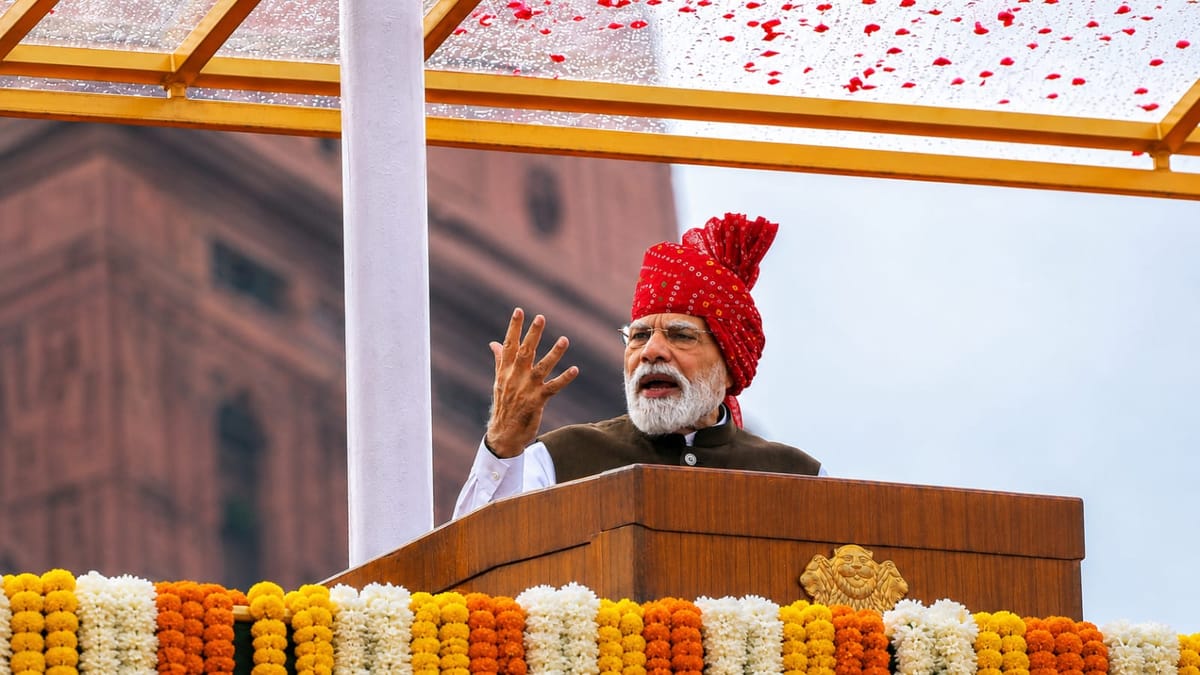
Prime Minister Narendra Modi used his Independence Day address from the Red Fort on Saturday to declare that India has succeeded in pushing back armed Naxalism, while issuing a fresh warning about what he described as “dimagi Naxals” or people who continue to promote a Naxal mindset.
Addressing the nation on India’s 80th Independence Day, Modi said Naxalism and Maoism had damaged the lives and aspirations of young people for decades. He credited the security forces with weakening armed Naxal groups operating in forested regions and said the country had made significant progress in tackling the insurgency.
PM Modi Warns Against ‘Dimagi Naxals’
While highlighting the decline of armed Naxalism, the Prime Minister said the ideological challenge had not disappeared completely. He referred to individuals with what he called a “Naxal mentality” and warned that they could continue to influence society and institutions.
Modi said such people must be identified and isolated. He argued that the threat was no longer limited to armed groups operating in forests but also involved the spread of an ideology that, according to him, could influence policymaking and social thinking.
The remarks add a new dimension to the government's broader claim that the armed Naxal insurgency has been brought close to an end. The Centre had earlier set March 31, 2026, as its target for eliminating Naxalism.
'Security Forces' Role Highlighted
The Prime Minister also paid tribute to security personnel who lost their lives during operations against Naxal groups. According to reports on his speech, Modi highlighted the sacrifices of more than 3,500 security personnel during the long fight against Left-Wing Extremism.
For decades, Naxal violence affected several parts of central and eastern India, particularly remote forest regions. Security operations, development initiatives and efforts to improve connectivity have formed part of the government's strategy to reduce the influence of insurgent groups.
PM Modi’s Message on ‘Dimagi Naxals’
The phrase “dimagi Naxals” was used by Modi to distinguish between armed insurgents and people he believes continue to support or promote Naxal ideology without directly participating in violence.
The Prime Minister alleged that people with Maoist ideology had previously gained influence in institutions and policymaking. He said that although armed Naxals had been driven out of several forest areas, the ideological challenge still needed attention.
His comments place the fight against Naxalism within a broader debate over national security, ideology and social influence. They also signal that the government considers the end of armed insurgency only one part of the larger challenge.
New Phase in the Naxalism Fight
Modi’s Independence Day remarks suggest that the government wants to portray India’s campaign against Naxal violence as entering a new phase—one in which eliminating armed groups is followed by addressing the ideology and networks that it believes helped sustain the movement.
The Prime Minister’s warning is likely to fuel further political debate over how “Naxal mentality” should be defined and who should fall under that description. For the government, however, the message was clear: even as armed Naxalism declines, vigilance against its ideological influence must continue.