Shamonda Virus in France: The First Documented Human Case
France has reported the first documented human case of the Shamonda virus, an insect-borne pathogen primarily affecting livestock. Investigations are underway to determine the cause of death, transmission route, and potential public-health risks.
France reported the first human case of the Shamonda virus on October 22nd. This unprecedented detection has led to investigations into the virus's nature and transmission. The case raises questions about the potential implications for public health, although authorities haven't yet declared it a major threat.
What is the Shamonda Virus?
Shamonda virus (SHAV), as reported by the World Organisation for Animal Health (WOAH), has typically affected cattle and other livestock, and was first observed in Nigeria in 1965. Since then, it has spread across Africa, Asia, and Europe primarily through midge bites.
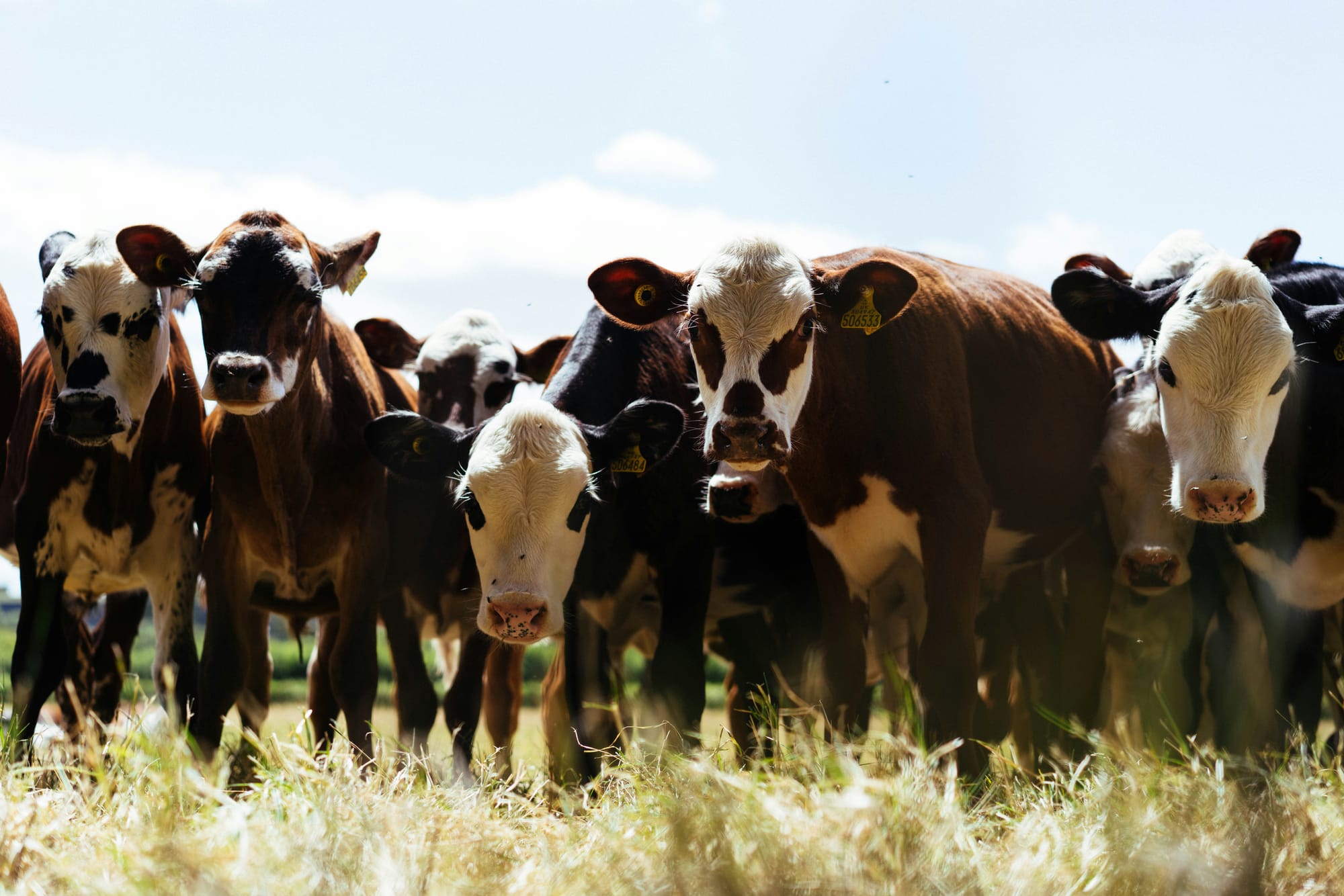
Cattle grazing in a field, representing livestock susceptible to the Shamonda virus. Credit: Phil Hearing on Unsplash
In animals, the virus reportedly causes fever, diarrhoea, reproductive disorders, and, in rare cases, neurological symptoms. In the reported human case in France, Reuters says the virus's effects were linked to a neurological complication. However, it is still not clear if SHAV had actually caused or contributed to the death.
The First Human Case in France
The first wave of the virus had hit various European countries by late July and had steadily spread, but the human risk didn't emerge until early October. An immunologically compromised patient was being treated at a Lyon hospital and has since passed away. Preliminary investigations suggest that the disease was likely contracted in Eastern Europe during the aforementioned virus spread among animals.
On 20 October 2026, France reported the first documented case of human disease caused by the Shamonda virus. This virus primarily affects animals such as cattle, sheep, goats and horses.
WHO is in touch with the French authorities and is closely monitoring the situation.
The World Health Organisation (WHO) and the European Centre for Disease Prevention and Control (ECDC) are currently monitoring the situation. While the former has largely concluded that this might be an isolated case and that transmissibility might greatly wane by the cooler months, the latter is increasing testing measures and other support in the EU. (Credit: BBC, ECDC)
WOAH reports that there are no vaccines against the disease and instead suggests that the risk of infection may be averted by following these strategies:
Using physical barriers such as fine mesh screens and double-door entry-exit systems
Reducing or eliminating vector breeding sites
Vector surveillance and control around buildings
Use of insect repellents during animal transport
Transporting animals during periods of low vector activity
Some concerned personnel are calling for more robust One Health practices, and indeed, if the COVID-19 pandemic has taught the world anything, it is that animal health and human health are more connected than they may seem, and authorities must have preventive measures to curb risks to both to ensure global health.