National Politics

OSM controversy, falling scores, re-evaluation glitches, student protests and a 17-year-old whistleblower put India's examination system under unprecedented scrutiny

The CBSE Class 12 Result 2026 was supposed to be another milestone in India’s move toward digital evaluation. But instead it turned into one of the biggest controversies in recent education history, which kind of surprised everyone. Questions about the newly introduced On-Screen Marking (OSM) system, complaints about unexpectedly low marks, student problems when they tried re-evaluation, claims of answer-sheet mismatches, protests by students, legal arguments in court, and that all around talk about whether the evaluation was fair turned a normal result period into a real crisis of trust.
And then it got bigger. The 17-year-old student Sarthak Sidhant put out a detailed critique of the system and it went viral, so fast, that political leaders, education experts, and even Parliament started paying attention. After the pressure kept building, the Centre moved the CBSE Chairman and Secretary, and also told them to investigate the procurement side related to the OSM system.
What Changed in 2026 ?
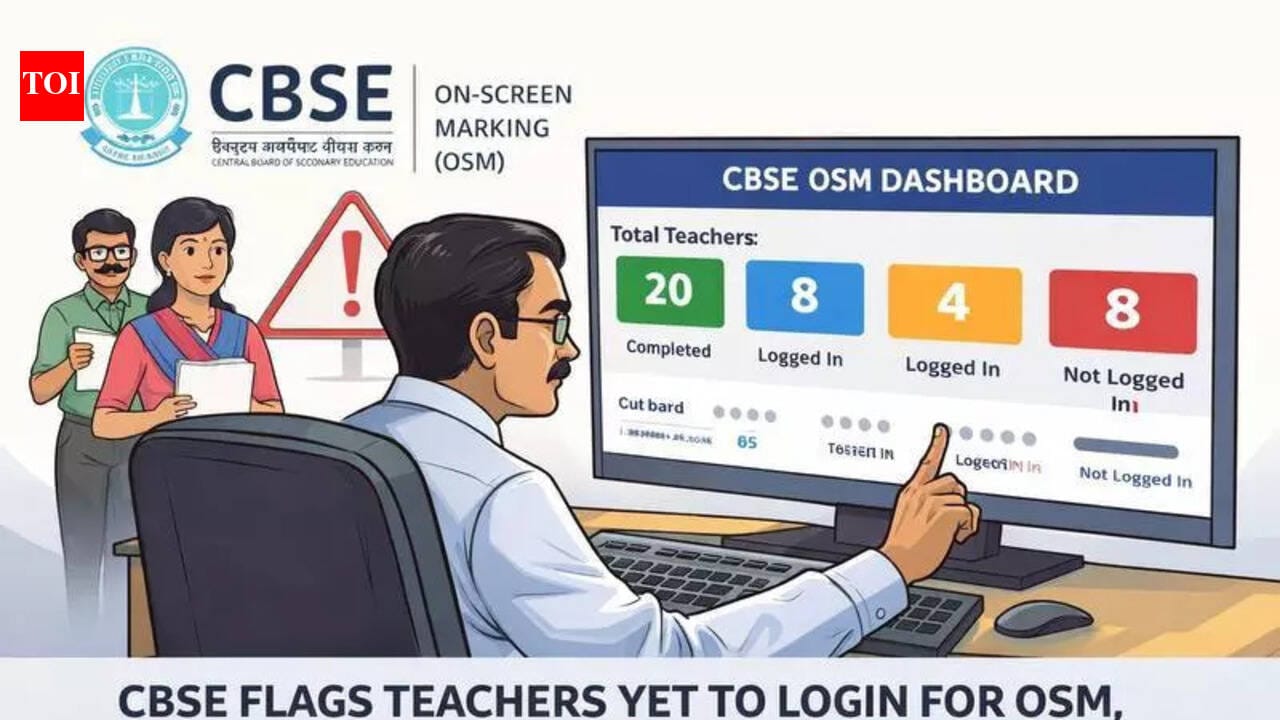

The biggest change this year was the arrival of the On-Screen Marking (OSM) system for evaluation. Under this system answer sheets get scanned digitally and then they are checked on computer screens rather than through traditional physical marking. The idea was to boost efficiency, transparency, and overall speed. But soon after the results came out, thousands of students started raising issues. After the declaration of results, allegations began to surface about blurred scans , missing pages, incomplete uploads, and mismatched answer sheets that did not look the same as what students submitted. Quite a few students said their marks did not match their academic work or real performance.
For many students the main worry was not only getting lower marks it was what those marks would do next. Several candidates who had performed exceptionally in competitive exams like JEE said they struggled to meet the 75 percent eligibility requirement used by many institutions. So the country quickly started asking a bigger, harder question: how can someone qualify in very competitive entrance examinations, but still fail to secure the kind of board marks that were expected ?
Re-Evaluation Process Under Fire
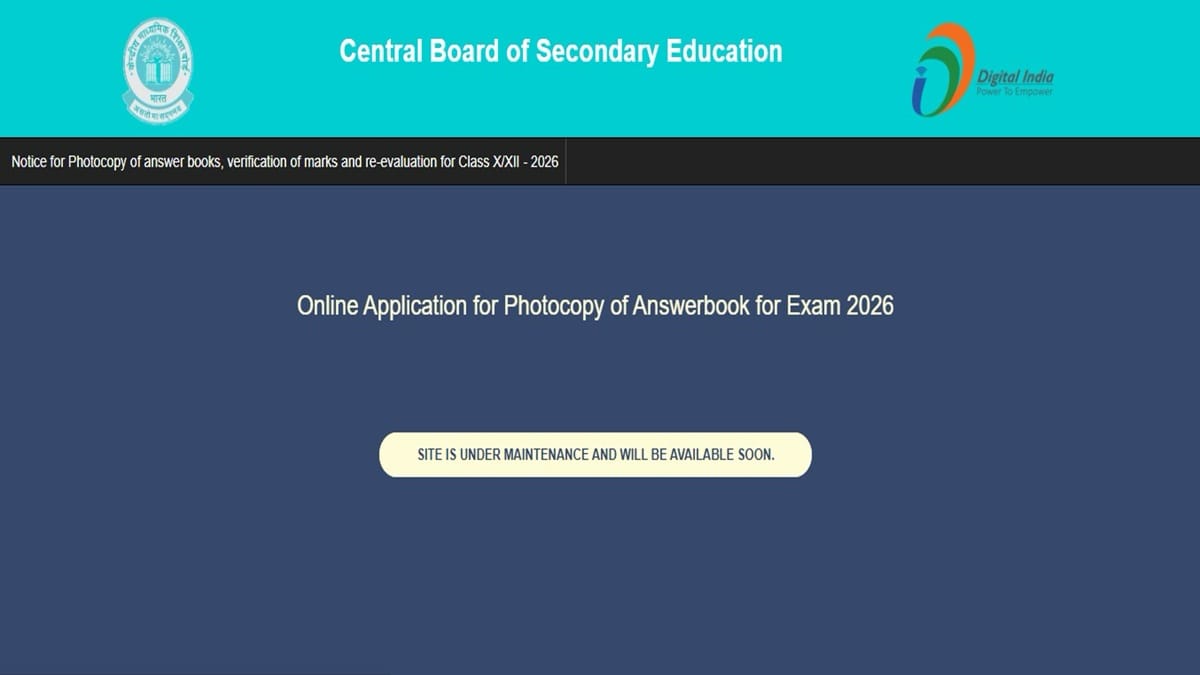

The whole controversy kind of, ramped up during the re-evaluation stage. Students said there were delays and various technical glitches while they tried to reach the portal. Later on CBSE confirmed that the re-evaluation system got hit by cyberattack attempts including a Denial-of-Service attack while thousands of students were still trying to upload or submit their applications all at once.
More worries also came up around getting the answer-sheet access, the portal staying down for periods, and the way verification was handled. During the process Aadhaar based verification was also brought in, which then turned into another issue people were talking about among students and parents.
Courtrooms, Streets, and Social Media
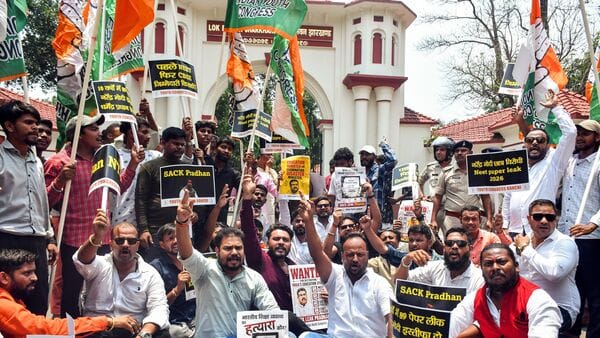

The whole thing fairly quickly moved outside the classrooms. The National Students' Union of India, NSUI, went to the Delhi High Court asking for a separate, independent inquiry into the OSM system. In the petition, they pointed at technical deficiencies, transparency matters and also grievance redressal failures, as if all of that was connected and not just separate parts.
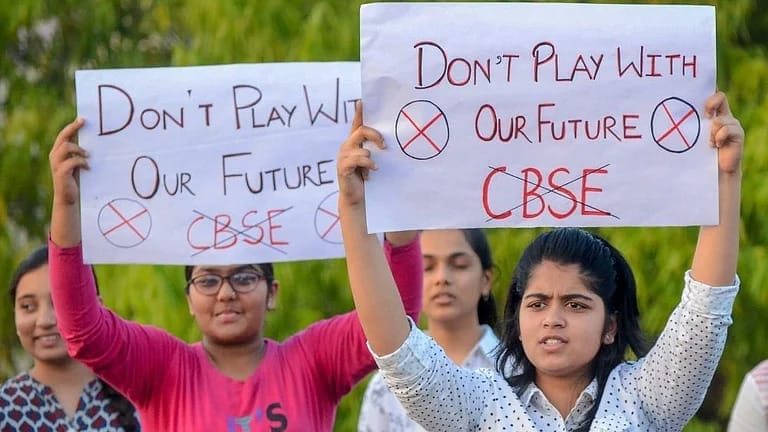
At the same time protests by students were being reported from multiple regions. Social media basically turned into a kind of loud megaphone where people were sharing stories, screenshots and alleged discrepancies. It started with a few isolated complaints but then it kind of snowballed into a broader nationwide push for accountability and transparency.
The Rise of Sarthak Sidhant
Among the many voices, one kind of stood out anyway.
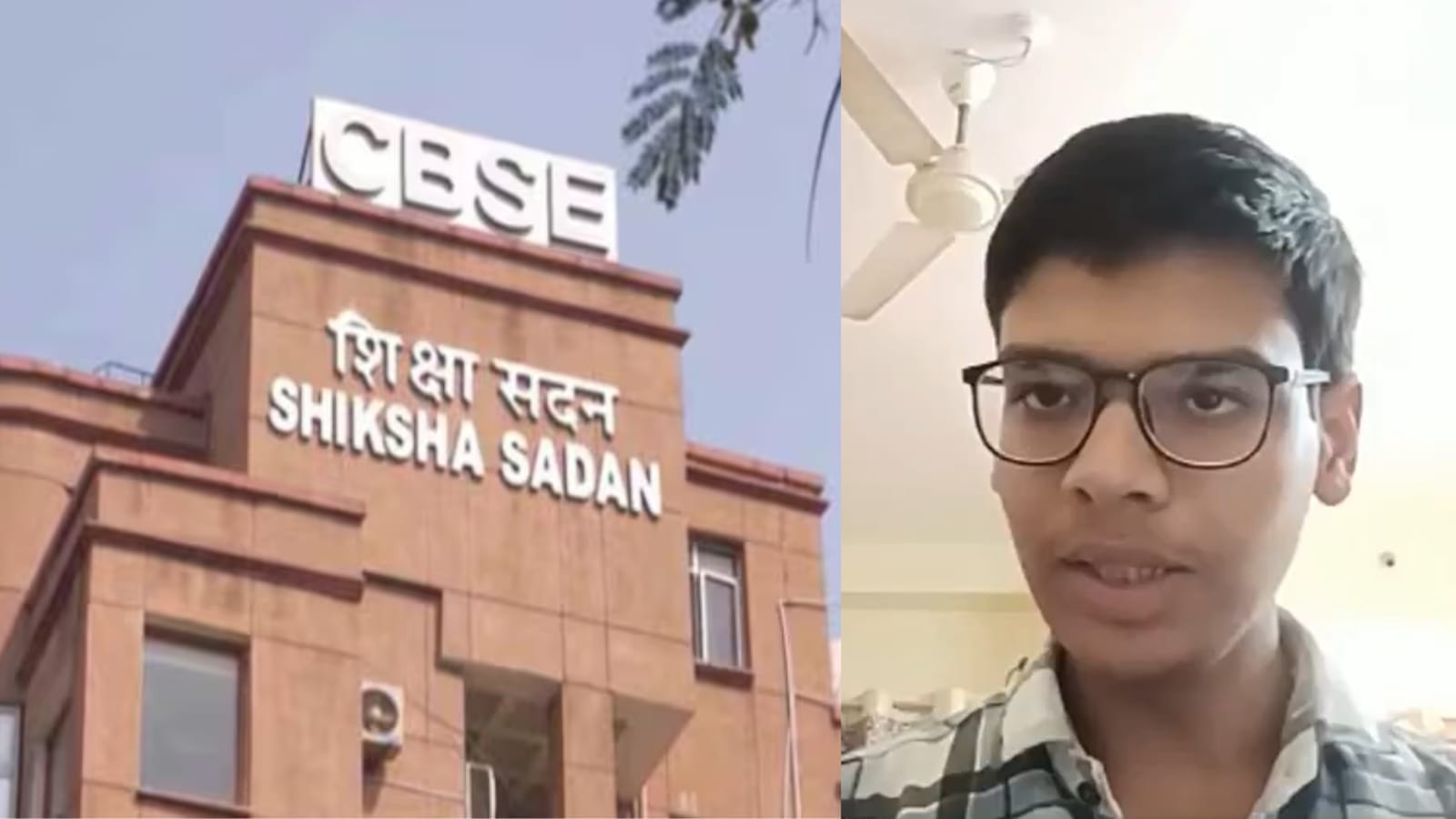

Sarthak Sidhant, a 17-year-old student, came up as the most visible face of the whole controversy after sharing rather detailed observations about the OSM system and the tendering process tied to it. His videos , along with short presentations, started pulling a lot of attention online, and it didn’t take long before public chatter went everywhere.
As per reports, Sarthak pointed out around 15 alleged inconsistencies connected with the system and the procurement trail. His work got national attention and later, he ended up appearing before the Parliamentary Standing Committee on Education. There, he laid out his findings and raised his concerns regarding how OSM is being put into practice. Committee members reportedly listened to his presentation in full detail, as part of their review of the controversy , step by step.
Government Response
As public pressure, kept building the government started a big administrative thing. The CBSE Chairman and Secretary got transferred, and then an inquiry was ordered into the procurement process tied with OSM services. After that, a new CBSE chief was appointed again, so yeah.
These moves made it pretty clear that the controversy, was no longer just a routine exam disagreement it turned into a matter of institutional credibility and how people see the system.
A Larger Crisis in Education
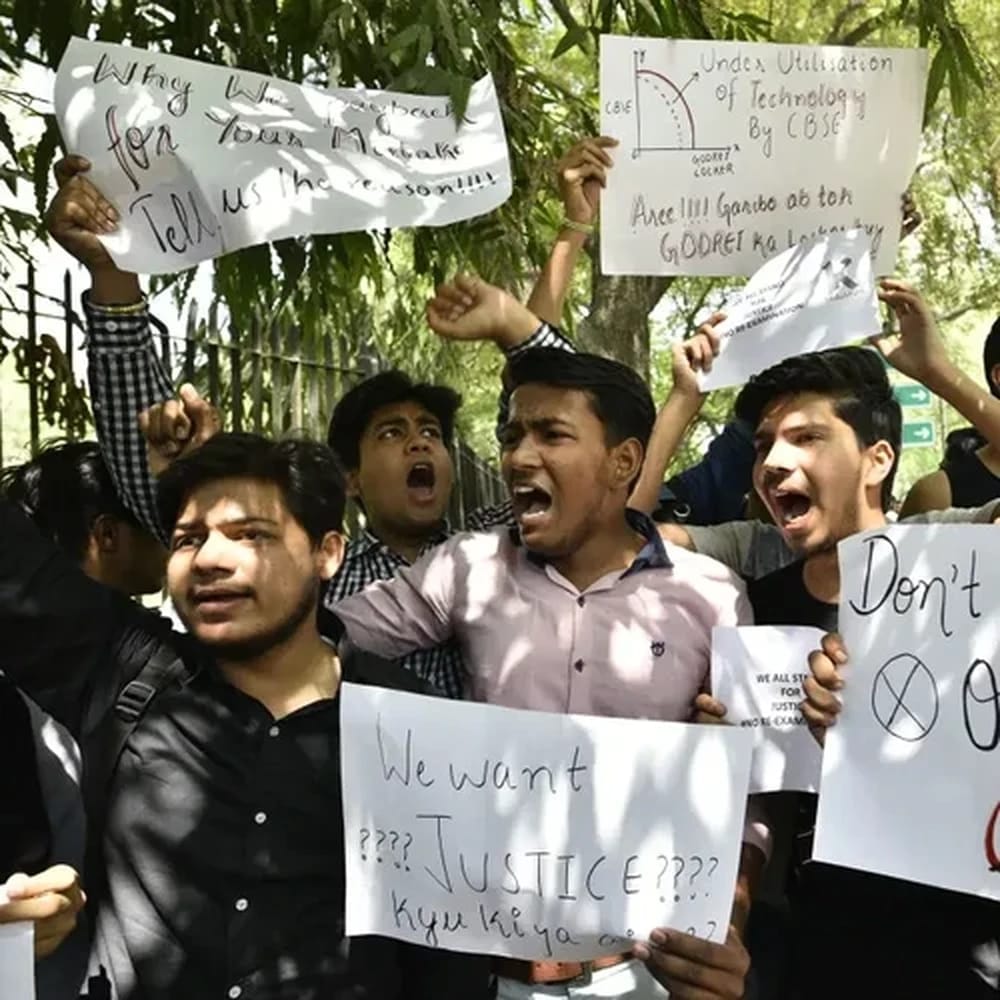

The CBSE 2026 controversy kind of shows more serious issues inside Indias education setup. More and more reliance on technology has definitely made things faster and maybe more efficient, but it also brings fresh hazards. If the digital systems fail, then millions of students can get hit at once, not gradually, which is a problem. This whole episode also makes it clear that stronger quality checks are needed, along with transparent audits, dependable grievance systems, and independent supervision over these huge education changes.
Technology may help with checking and measuring, but it cannot stand in for accountability, not in the real sense.
The Way Forward

Experts say CBSE should do an independent audit of the OSM system , bolster cybersecurity infrastructure, tune up re-evaluation mechanisms and set up quicker grievance redressal pathways. More openness on procurement processes, along with regular consultations with teachers, students and tech experts , might also do a lot to restore confidence.
Conclusion
The CBSE Result 2026 controversy might end up being remembered as a real turning point in India’s education administration. It started as complaints about marks, then somehow it grew into bigger questions on technology, transparency, responsibility and student welfare… even if people didn’t say it like that at first. Now the whole thing, you know will it push actual reforms or just fade away, that will decide the long term legacy.
For millions of students, this wasn’t only about the marks either, it was more about faith in a system that, practically shapes their future, day by day, step by step.
Members Discussion