BRICS Business Forum 2026: Iran and UAE on Women led Businesses
BRICS nations are pushing for stronger networks among women entrepreneurs, with Iran and the UAE finding common ground on expanding cross-border opportunities. Delegates called for better access to finance, markets and partnerships to turn women-led businesses into stronger economic drivers.
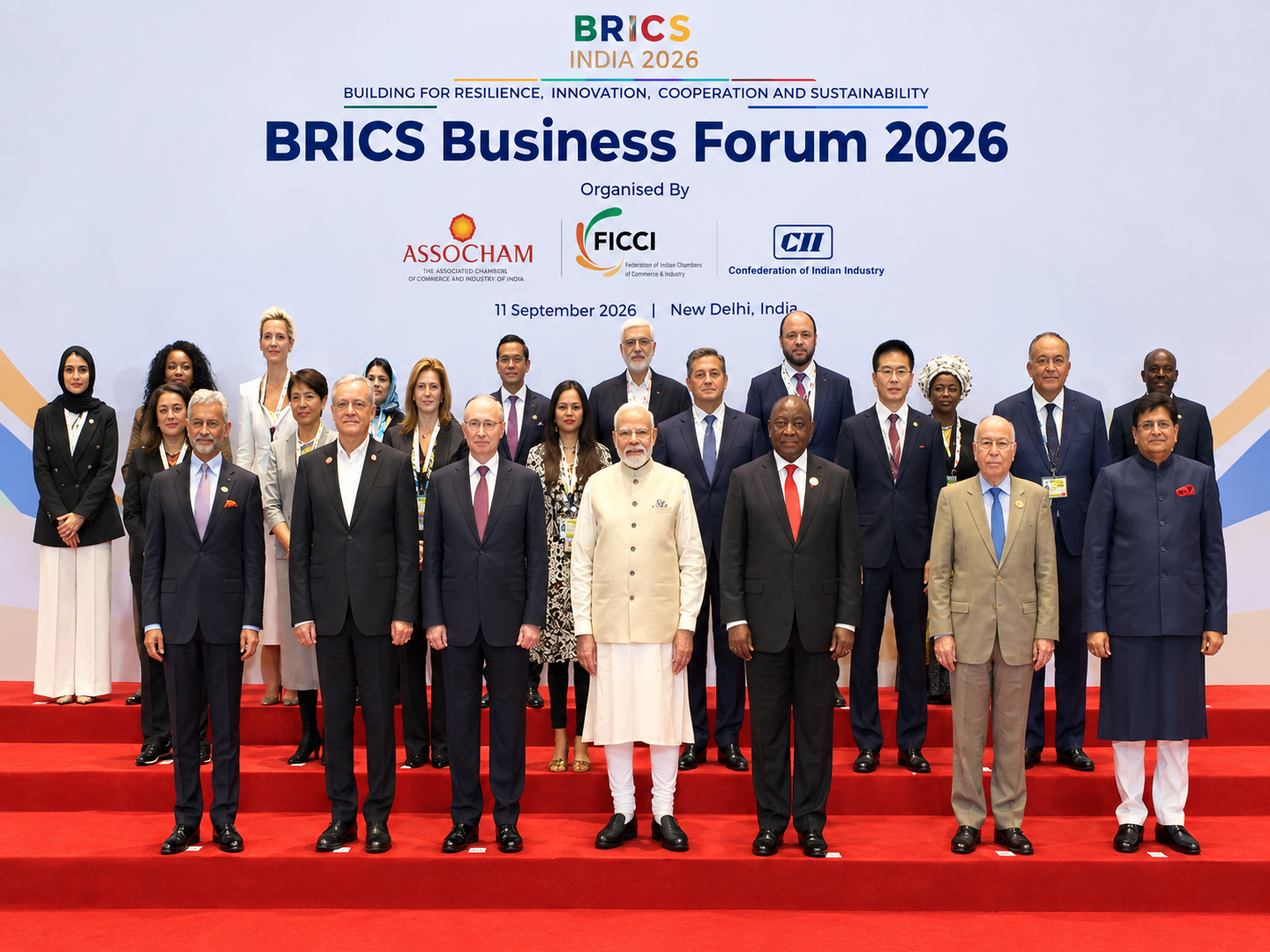
BRICS Business Forum 2026: Iran and UAE on Women led Businesses (Source: ANI)
BRICS Business Forum 2026: Iran and UAE on Women led Businesses (Source: ANI)
Despite ongoing geopolitical tensions, Iran and the United Arab Emirates (UAE) found unexpected alignment at the BRICS Business Forum as member nations agreed on the need to strengthen networks among women entrepreneurs across the bloc's 21 countries.
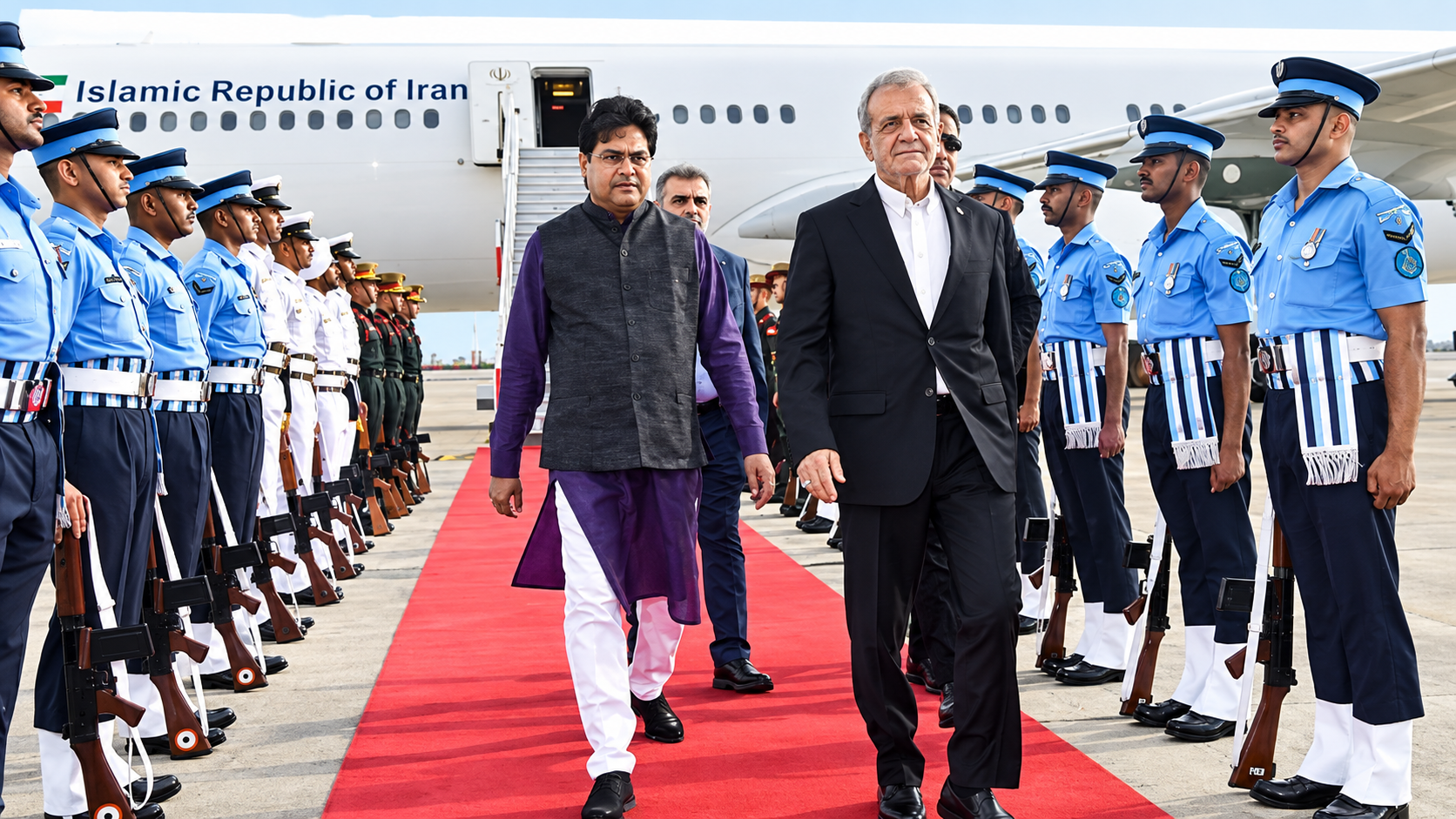
BRICS Summit 2026: Iran and UAE on Women led Businesses (Source: The Indian Express)
BRICS Business Forum discusses Women led Businesses
Zahra Rahaie, founder and CEO of Navak Chemipaksh, one of Iran's largest pharmaceutical chemical companies, highlighted a persistent gap in women led businesses across BRICS nations are thriving in manufacturing, digital economy, agribusiness, and creative industries yet cross border trade and investment remain limited by financing gaps and regulatory barriers emphasising on startegic integration. She said
“Women-led businesses across BRICS are increasingly present in sectors such as manufacturing, services, digital economy, agribusiness and creative industries. However, their participation in cross-border trade and investment remains constrained by limited market access, financing gaps, regulatory barriers and weaker integration into global and regional value chains."
From the UAE, Feryal Ahmadi of the Dubai Multi Commodities Centre outlined how the country's business provisioning model could serve as a bridge helping women-led enterprises access international markets more effectively. Ahmadi also discussed that UAE has developed an extremely successful model of their business model provisioning which assures growth.
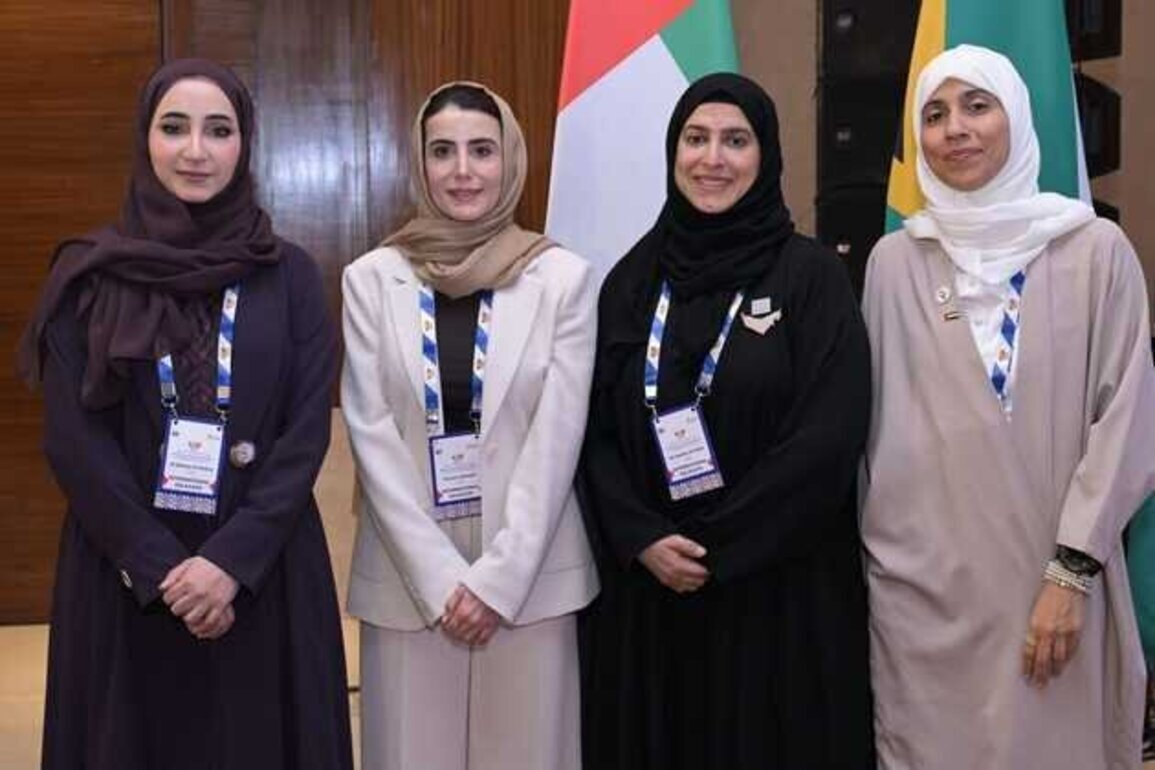
BRICS 2026: UAE and Iran on same page over Women led Businesses (Source: India's News)
Further, Russian delegate Anna Nesterova, Chairperson of the BRICS Women's Business Alliance, framed cultural exchange as more than symbolic describing it as a genuine business tool that builds trust and opens doors to funding for small and medium enterprises led by women. She mentioned
"It’s important to get access to funding, and we need new mechanisms for funding joint projects in BRICS that are oriented towards medium and small enterprises, and women-led enterprises."
A recurring theme throughout the forum was the shift required from token representation to structural change. Notably, roughly 80% of micro, small, and medium enterprises (MSMEs) across BRICS nations are led by women or involve them significantly yet policy discussions have historically underrepresented their voices.
Mónica Monteiro, Brazil's chairperson of BRICS Women’s Business Alliance emphasized that women entrepreneurs need a seat at the table when BRICS states negotiate trade, investment, and economic policy. She mentioned
"We need to be present when BRICS member states talk about trade and investment and economy.We have the governance, we have organisation, we have network, we have the human right to do business. And this is a great achievement. But now we need to be heard."
Additionally, as the BRICS chair transitions from India to China, Zhao Haiying of China's WBA chapter pointed to an opportunity to convert networking into measurable economic outcomes turning introductions into lasting partnerships.
The BRICS Women's Business Alliance established in July 2020 continues to push for women-led enterprises to be integrated into global value chains, with delegates agreeing that visibility alone is no longer enough.