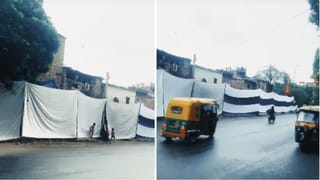
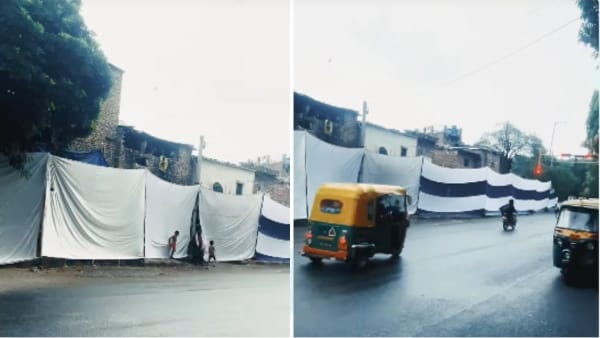
Slum settlements in Delhi’s Vasant Vihar were covered with large screens during the BRICS Summit, drawing criticism from residents and opposition leaders. Residents said the move disrupted livelihoods and raised concerns over poverty, dignity, and the temporary masking of urban inequality.
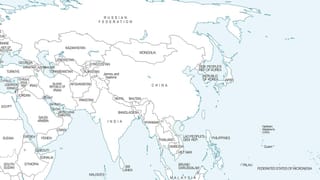
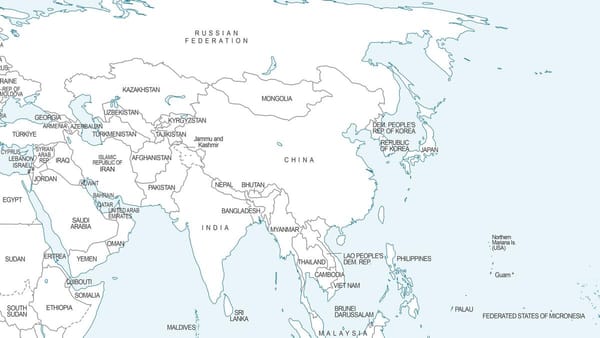
A newly released UN world map depicts Arunachal Pradesh and Aksai Chin as split between separate Indian and Chinese claim lines, days after India backed a UN resolution on fairer map projections.
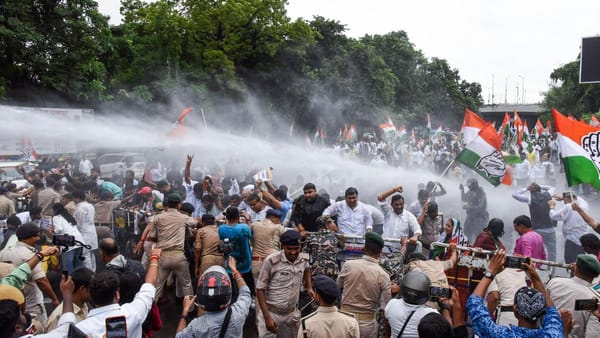
Nationwide protests hit India as opposition parties demand CEC Gyanesh Kumar's resignation over an internal EC dissent report. Legal experts call impeachment baseless; CJP sets an October 2 deadline.
Nationwide protests hit India as opposition parties demand CEC Gyanesh Kumar's resignation over an internal EC dissent report. Legal experts call impeachment baseless; CJP sets an October 2 deadline.
Slum settlements in Delhi’s Vasant Vihar were covered with large screens during the BRICS Summit, drawing criticism from residents and opposition leaders. Residents said the move disrupted livelihoods and raised concerns over poverty, dignity, and the temporary masking of urban inequality.
A newly released UN world map depicts Arunachal Pradesh and Aksai Chin as split between separate Indian and Chinese claim lines, days after India backed a UN resolution on fairer map projections.
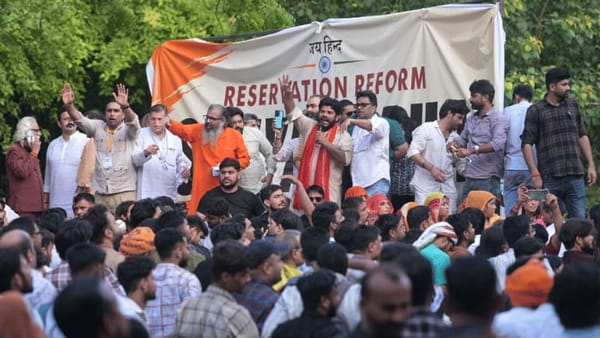
The Reservation Hatao Andolan at Delhi’s Jantar Mantar took a tense turn as more than 50 protesters were detained by Delhi Police. Protesters demanded reforms to India’s reservation system, including greater focus on economic criteria and merit.
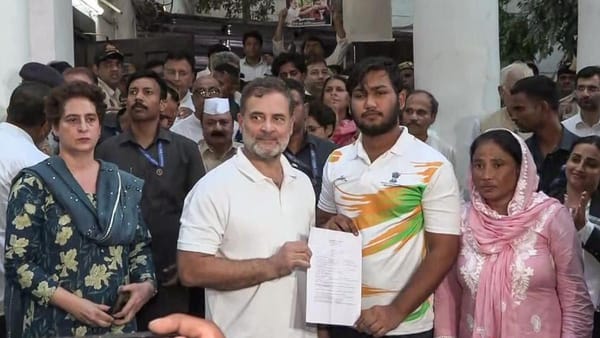
Congress leader Rahul Gandhi ended his over five-hour dharna outside Parliament Street police station after Delhi Police registered an FIR over pellet injuries suffered by student Sahil Lochab on July 20.
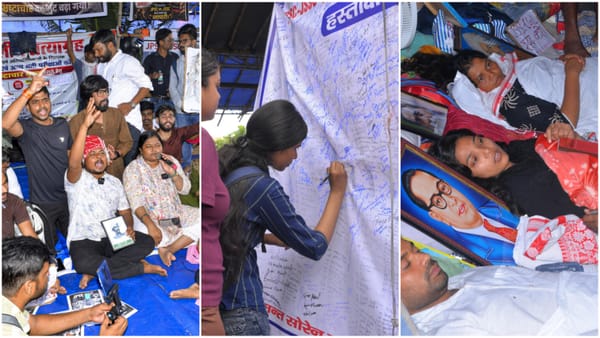
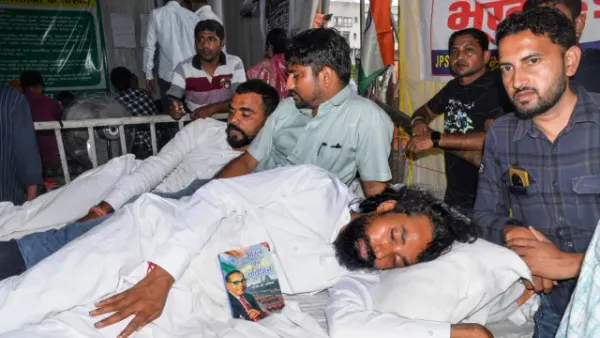
Jharkhand student protests intensify as ABVP, JPSC and JSSC aspirants demand recruitment reforms, while four hunger-striking protesters remain under treatment at Sadar Hospital.
A student’s health deteriorated during the 14-day hunger strike against alleged irregularities in the 14th JPSC Civil Services Preliminary Examination. He was shifted to a hospital, while six students continue the protest.
While opposition parties in India oppose the proposed FCRA Amendment Bill 2026, several leaders condemned U.S. Lawmaker Moore's claims that the bill attacks christianity calling his comments foreign interference.